Construção
Chico Buarque
1971

Rankings
Why This Album Matters
Construção is the eighth studio album by the acclaimed Brazilian singer-songwriter Chico Buarque, released in 1971. The record stands out as one of the most potent and lyrically charged with criticism of Brazil's then-military regime, addressing government-imposed censorship and the undignified conditions of individuals in the country. Marking a sharpening of the critical vein in the author's poetics, the album revealed a bolder Chico Buarque, unlike his earlier phases, which harmonised Bossa Nova with compositions veiled in criticism of the dictatorship. Songs such as the title track, which exposes the tragedy of a worker, and "Deus lhe Pague", with its direct opening verses, exemplify this courage. Beyond its political slant, the album does not abandon the artist's characteristic lyricism, present in more classic and personal tracks like "Valsinha" and "Minha História". With sophisticated arrangements by Magro, then a member of MPB-4, and conductor Rogério Duprat, the album became a landmark for its thematic and musical depth, presenting a cohesive work that reflects the artistic effervescence and political tension of the era.

Straightforward lyrics, wherever possible, magnificent melodies. Weight and responsibility on one of the most important albums of Brazilian popular music.
Toninho Spessoto · Rolling Stone Brasil
Context
Before the creation of Construção, Chico Buarque experienced a period of intense artistic and political effervescence. Exiled in Italy in 1969 due to the repression of the Brazilian military regime, he used the time to compose new songs that reflected his social criticisms and political engagement, deepening his poetic and musical research. Chico's return to Brazil in 1970 coincided with a harsher phase of the military dictatorship, featuring strict censorship and persecution of engaged artists. This scenario directly influenced the album's themes, which address social contradictions and the oppressive daily life of the Brazilian worker.
Recording
The album Construção was recorded at Estúdio Phonogram in Rio de Janeiro. Production and studio direction was handled by Roberto Menescal, with sound engineering by Toninho and Mazola. Musical direction was by Magro (Antônio José Waghabi Filho), while arrangements were credited to conductor Rogério Duprat. The composition process for the tracks largely occurred during Chico Buarque's exile in Italy, where the artist sought to deepen his poetic and musical language. Rogério Duprat, in turn, introduced elements of classical and experimental music, significantly enriching the work's sound. The album featured notable special appearances: the group MPB-4 lent their voices to several tracks, Tom Jobim contributed piano to "Olha Maria (Amparo)", and Trio Mocotó and Toquinho participated in "Samba de Orly", on percussion and guitar, respectively.
Songs
The songs on Construção are a multifaceted portrait of Chico Buarque's genius. The title track, "Construção", stands out for its innovative structure, with dodecasyllabic verses and almost hypnotic repetitions that reinforce the theme of worker alienation, serving as a powerful critique of a man who worked arduously until his death. Other songs like "Cordão" directly address government-imposed censorship, while "Deus lhe Pague" opens the LP with daring verses. "Samba de Orly", a collaboration with Toquinho and Vinicius de Moraes, openly sings about exile, resulting in its partial censorship. The album also offers the artist's characteristic lyricism in tracks like "Olha Maria" and the more classic and personal "Valsinha" and "Minha História", demonstrating the breadth of his writing.

After his direct confrontation with the dictatorship in "Apesar de você" the previous year, Chico Buarque unveiled this massive Construção.
Tárik de Souza · 300 Discos Importantes
Legacy
Construção was widely acclaimed by critics and the public, establishing itself as a landmark in Brazilian music. In 1972, Realidade magazine described it as “the best made in the last twenty years in Brazil”. Its influence endures, as it was voted the third-best Brazilian album of all time by the Brazilian edition of Rolling Stone magazine in the 2000s, and features in the renowned book 1001 Discos Para Ouvir Antes de Morrer. Considered a masterpiece of Brazilian popular music, the album influenced generations of artists and remains a symbol of cultural resistance during the military regime. The title track, "Construção", is frequently studied in music and literature courses due to its innovative structure and poetic depth, being recognised as one of the greatest songs in Brazilian popular music, classified as the second-best Brazilian song in a Folha de S. Paulo poll in 2001. Construção solidified Chico Buarque as one of the greatest Brazilian composers, and his songs continue to be re-recorded and reinterpreted by new artists, reaffirming their lasting cultural and musical relevance. The album is frequently cited in lists of the best Brazilian albums of all time, reaffirming its impact on national and international musical culture.
Tracks
Credits
Magro
Roberto Menescal
Antonio Carlos Jobim, MPB4, Paulo Jobim
Mazzola, Toninho
Aldo Luiz
Carlos Leonam
Podcasts
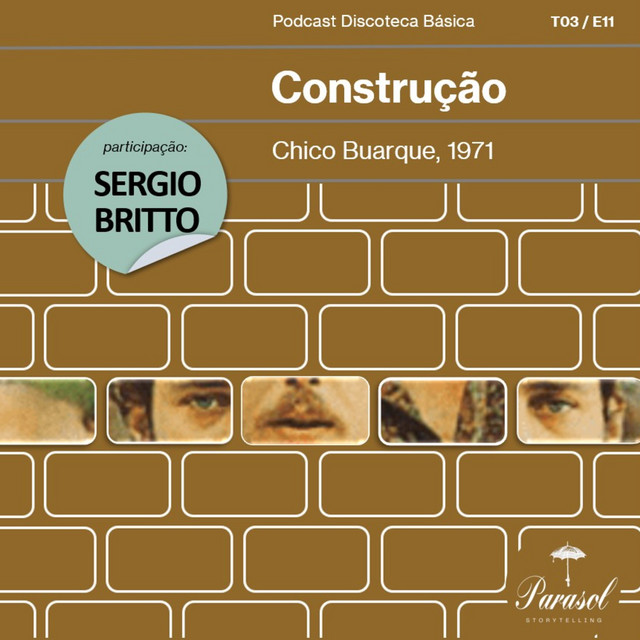
Discoteca Básica Podcast · Parasol Storytelling
MÚSICA PARA ATRAVESSAR OS ANOS DE CHUMBO. Na mira da Censura, no auge da repressão da ditadura, Chico Buarque une a tradição e o experimentalismo no álbum que levou sua música - e o seu sucesso - a novas alturas. Convidado do episódio: Sérgio Britto (Titãs) Assinantes do CLUBE DISCOTECA BÁSICA têm acesso a conteúdo extra. Saiba como assinar e aproveitar 30 dias grátis: https://podcastdiscotecabasi
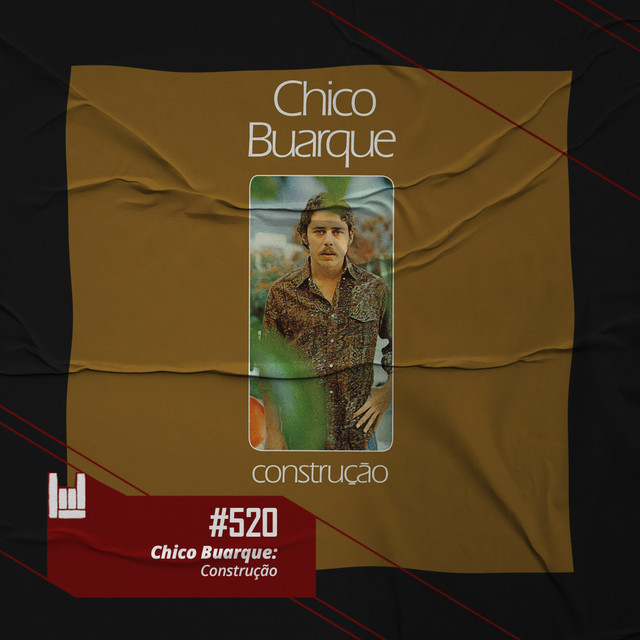
CMM · Crazy Metal Mind
Episódio originalmente publicado em 14/06/2021. No 520º episódio do Podcast mais Rock’n Roll da internets Rômulo Konzen, Daniel Iserhard, Marcel Pfütz e Flávio Bandeira batem papo sobre o disco Construção do Chico Buarque. Trilha sonora do podcast (na ordem): *Chico Buarque - Cotidiano *Chico Buarque - Construção *Chico Buarque - Samba de Orly *Chico Buarque - Valsinha *Chico Buarque - Deus Lh

Neste programa vamos falar desta canção simbólica da obra de Chico Buarque de Holanda – Construção. Acesse agora faleportugues.com
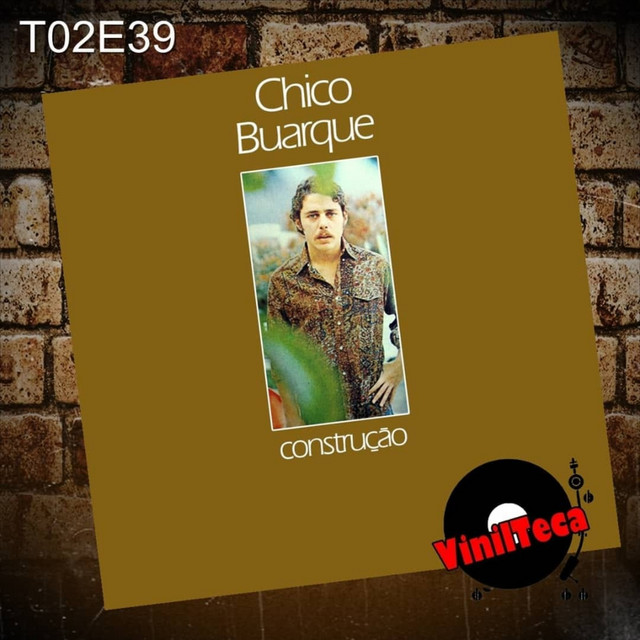
Vinilteca · José Ono Junior e Guilherme Colpani
Depois de mais de um ano de auto-exilio, Chico Buarque voltou para o Brasil em 1970 e não gostou nada do que viu. O jeito foi assumir uma nova postura perante a ditadura militar e mudar a sonoridade da sua obra. O resultado disso foi o incrível disco "Construção". A Vinilteca é um projeto que nasceu no YouTube em 2016 e migrou para o rádio e para o podcast, com apresentação dos atores e coleciona

Toda última semana do mês, nós fazemos nosso Clube do Disco aqui no Semibreves. O disco do mês é Construção, do Chico Buarque, e vamos falar sobre as influências musicais, sociais e políticas que aparecem no álbum, e como Chico junta tudo isso pra formar esta obra prima da música brasileira. www.semibreves.com.br e-mail: semibrevespodcast@gmail.com Facebook: www.facebook.com/semibrevespod Instagr
Videos
CHICO BUARQUE: CONSTRUÇÃO
Vinilteca
CONSTRUÇÃO - Chico Buarque | Review | DISCORAMA
Raul Arthuso | Cinema
"Construção" - Chico Buarque | Os melhores discos da MPB nos anos 70 | Alta Fidelidade
Alta Fidelidade
Construção (1971), de Chico Buarque: respondendo a perguntas - Guto Leite
Guto Leite
Construção (Chico Buarque) - O ARRANJO #50
Flavio Mendes
50 anos do disco "Construção" de Chico Buarque
Rede TVT
Films

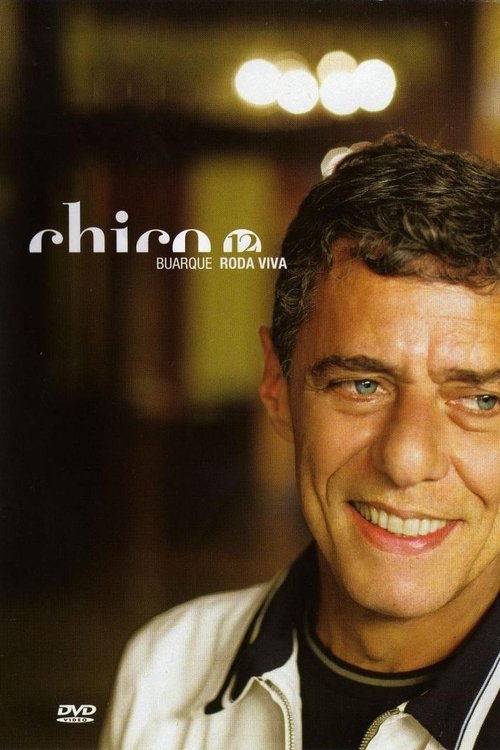
Chico Buarque - Roda Viva
2005
The 1960s were very turbulent. Cultural changes, such as the behavioural revolution, political unrest and the cogs of the entertainment industry, form the backdrop to this twelfth DVD in the retrospective series on Chico Buarque's work, which focuses on the composer's early career. The images show the live triumphs of "A Banda" (1966), "Disparada" (1966), "Roda Viva" (1967), "Alegria, Alegria" (1967) and "Sabiá" (1968). All of this is commented on by Chico himself.
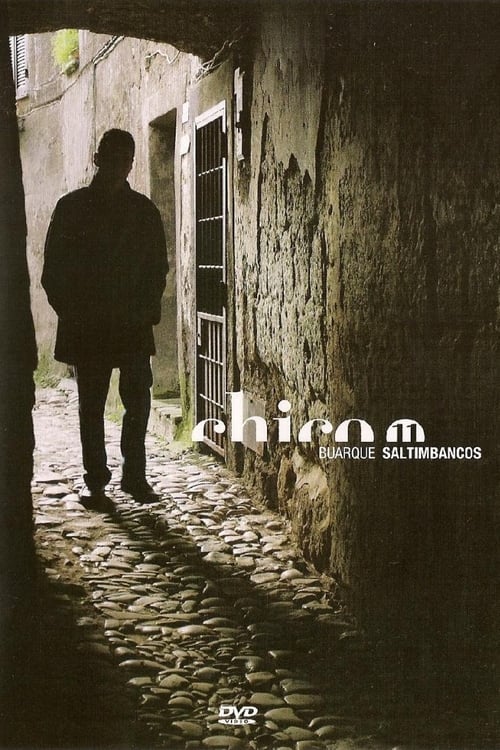
Chico Buarque - Saltimbancos
2005
"Saltimbancos", a box set from the retrospective series of Chico Buarque's work, explores this composer's relationship with the children's world. The DVD features the soundtrack, adapted by Chico from the musical Os Saltimbancos, which is a must-have for any home with children. Discover the creative process of one of Brazil's most important artists!
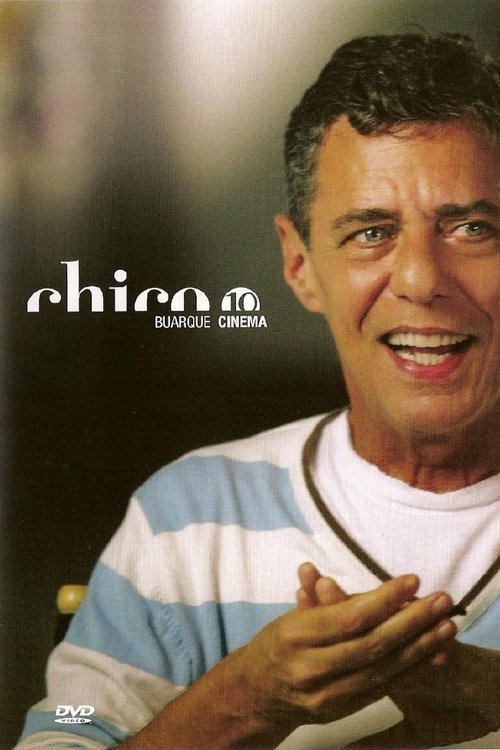
Chico Buarque - Cinema
2005
The unforgettable magic of film songs, etched forever in memory alongside the films, is the theme of this tenth DVD in the series dedicated to the work of the composer Chico Buarque. Recorded in the picturesque city of Paraty, the DVD reveals the composer's fascination with cinema and the art of composing for the screen. Chico talks about his involvement in various films and his teenage idols, such as Marlon Brando and Jeanne Moreau. And he sings "Ela Faz Cinema", composed especially for the series.
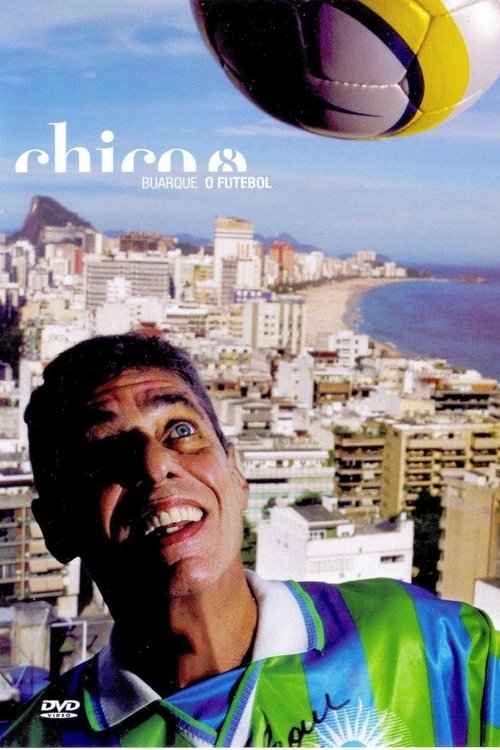
Chico Buarque - O Futebol
2005
Chico Buarque's passion for football is rivalled only by his connection to music, and sometimes it even takes precedence. In this eighth DVD of the retrospective series on his work, Chico reminisces, at the Maracanã stadium, about the great players and moving moments of Brazilian football, such as the defeat to Uruguay in the 1950 World Cup final. At Confeitaria Colombo in Rio, he interprets sambas that talk about football, and on the informal pitch he has in Barra da Tijuca, he receives visits from idols Pagão and Pelé. The DVD shows the artist playing football in the cities of Santos, Rio, Lisbon, Barcelona, Paris and Budapest, and also features a selection of memorable plays and goals from stars such as Pelé, Garrincha, Ronaldo and Ronaldinho. It also presents a meeting with Ronaldinho in Barcelona, where the subject, as could not be otherwise, was music and football.
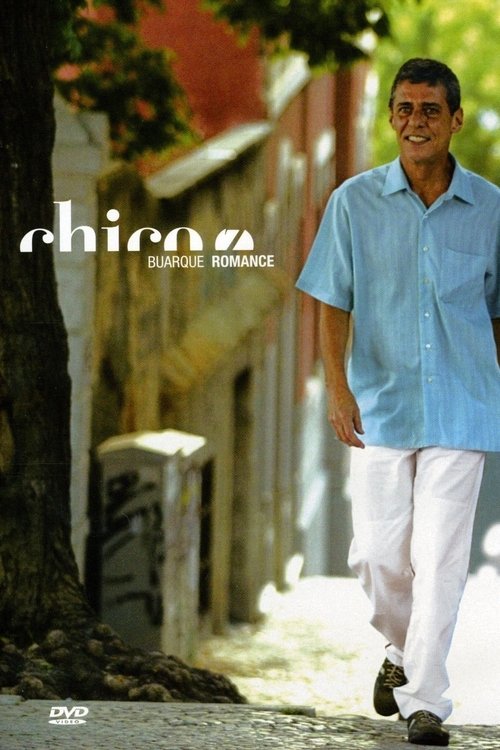
Chico Buarque - Romance
2015
Love songs are very common in Brazilian music and also in the work of Chico Buarque. Recorded in Paris, this seventh DVD in the retrospective series of the composer's work features hits such as 'Eu Te Amo', 'Atrás da Porta', 'Futuros Amantes' and 11 more songs, with guest appearances from Elis Regina, Daniela Mercury and Edu Lobo. Chico walks through the intimate streets of the French capital and talks about the nature of romantic feelings. He confesses his joy at having inspired romances and observes that if our grandparents' generation resorted to poems to seduce, today couples exchange song lyrics like 'text messages'. He talks about 'piropos', which are verses made to win over the beloved woman, and says that Vinicius was a master of the genre. To illustrate, Chico specially composed the song 'Outros Sonhos' for this DVD, a beautiful 'piropo'.
Books
A "construção" de Chico Buarque e o sofrimento psíquico do trabalhador
Gustavo Bohnenberger · 2024
This book analyses the title track, 'Construção', from Chico Buarque's album "Construção" in its historical and political context, especially under the impact of Institutional Act No. 5 (AI-5) and censorship. The work investigates the representation of the worker's psychological suffering in the song's lyrics and its profound social and cultural relevance at the time of its release and in the present day.
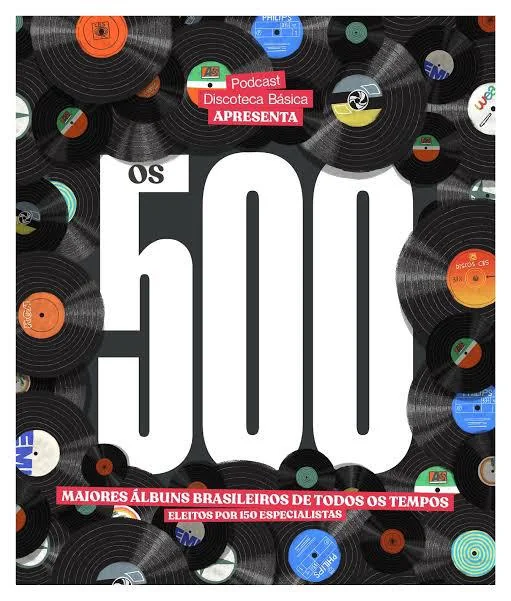
Os 500 Maiores Álbuns Brasileiros de Todos os Tempos
Ricardo Alexandre · 2022
The largest Brazilian music election ever conducted: 162 specialists, spanning journalists, critics, musicians, producers and podcasters, each nominated 50 essential albums, supported by a masterlist of more than 2,000 works. Led by Ricardo Alexandre with tabulation by Sérgio Jomori, it was published in December 2022 as a 200-page hardcover book with graphic design by Fernando Pires.
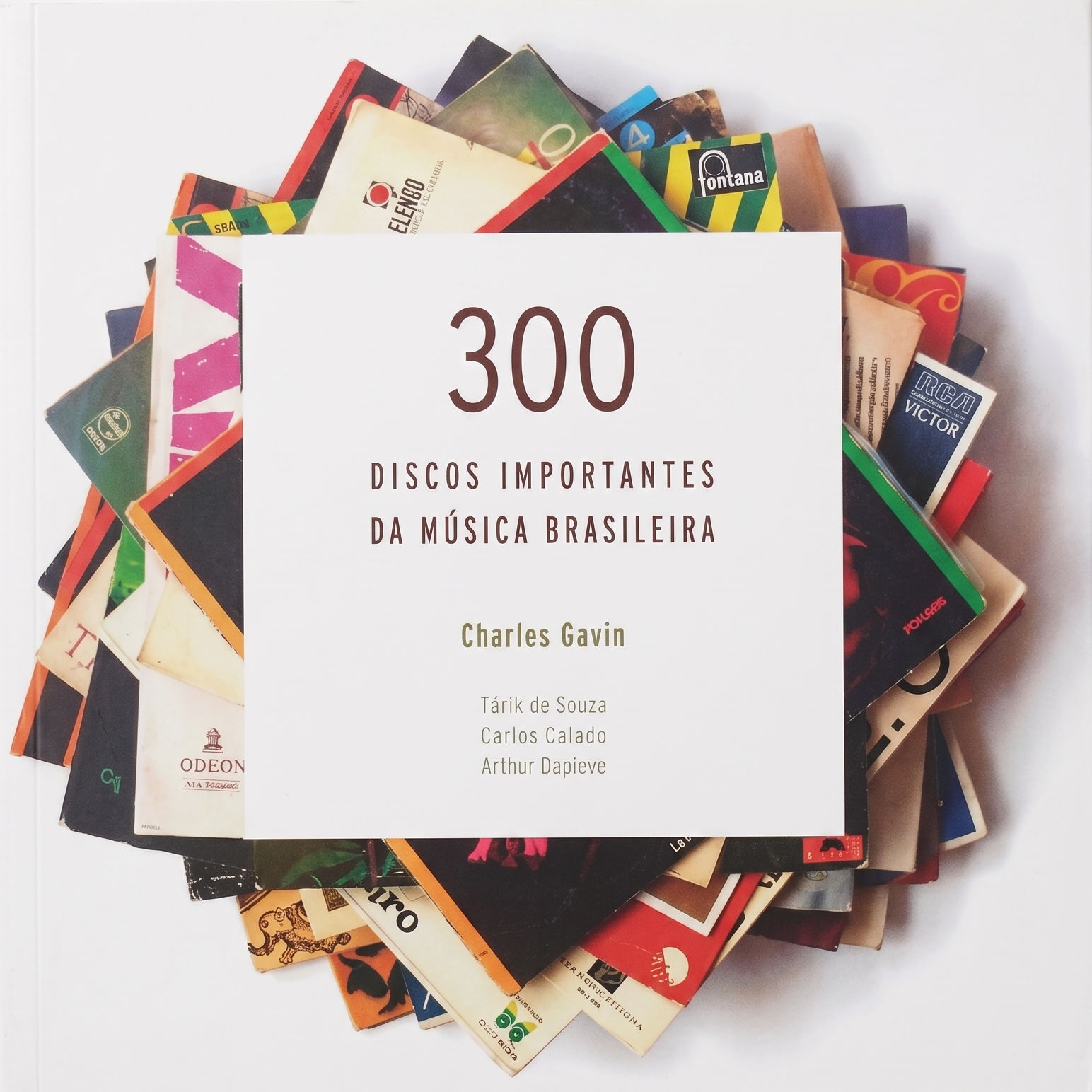
300 Discos Importantes da Música Brasileira
Charles Gavin, Tárik de Souza, Carlos Calado, Arthur Dapieve · 2008
Conceived by Titãs drummer and musical researcher Charles Gavin, the 434-page book brings together covers and reviews of albums released between 1929 and 2007. The texts were written by journalists Tárik de Souza, Arthur Dapieve and Carlos Calado.

Sinal Fechado: a música popular brasileira sob censura
Alberto Ribeiro da Silva · 1994
An essential book to understand the environment in which the album was released. Construção is frequently used as the primary case study of how to compose and release an album of brutal social criticism under the gaze of AI-5, using linguistic complexity as a shield.
Chico Buarque, letra e música
Humberto Werneck · 1989
Considered one of the most important studies on the work of Chico Buarque, this book by Humberto Werneck explores his lyrics and melodies in depth, analysing his artistic evolution and the impact of his songs on Brazilian culture. As a seminal album in the artist's discography, 'Construção' receives detailed attention in its analysis.
Analyses
Construção – Wikipedia
Wikipedia, the free encyclopaedia
Construção – The 100 Greatest Albums of Brazilian Music
Toninho Spessoto · Rolling Stone Brasil
Straightforward lyrics, wherever possible, magnificent melodies. Weight and responsibility on one of the most important albums of Brazilian popular music.
Construção - Chico Buarque: Um marco da música brasileira
cantinhododisco.com.br
Here at Cantinho do Disco, we believe that some works transcend time and become more than music, they are portraits of an era and manifestations of courage. Chico Buarque's Construção is exactly that, a landmark of artistic genius and a veiled cry in times of oppression.
Resenha: Construção - Chico Buarque - blogmusicaboa.com
blogmusicaboa.com
It's a partnership between Chico Buarque and Vinicius de Moraes, and it's also the most romantic song on the album. The lyrics speak of a man regretful of what happened, hoping for the return of the woman he loves. The song sounds very much like a bolero, and features Chico's voice delivered in a soft and lyrical manner.
OFF - TOPIC : RELICÁRIOS DA RÁDIO VINTAGE | "Construção", Chico Buarque
cinemacompoesia.com
An audacious album, ahead of its time, considered by some to be a watershed moment in the career of one of the greatest names in Brazilian popular music. Released in 1971 by the Phillips label, Chico Buarque de Hollanda's album "Construção" combines all these qualities and more.