Os Saltimbancos
Chico Buarque
1977
Rankings
Why This Album Matters
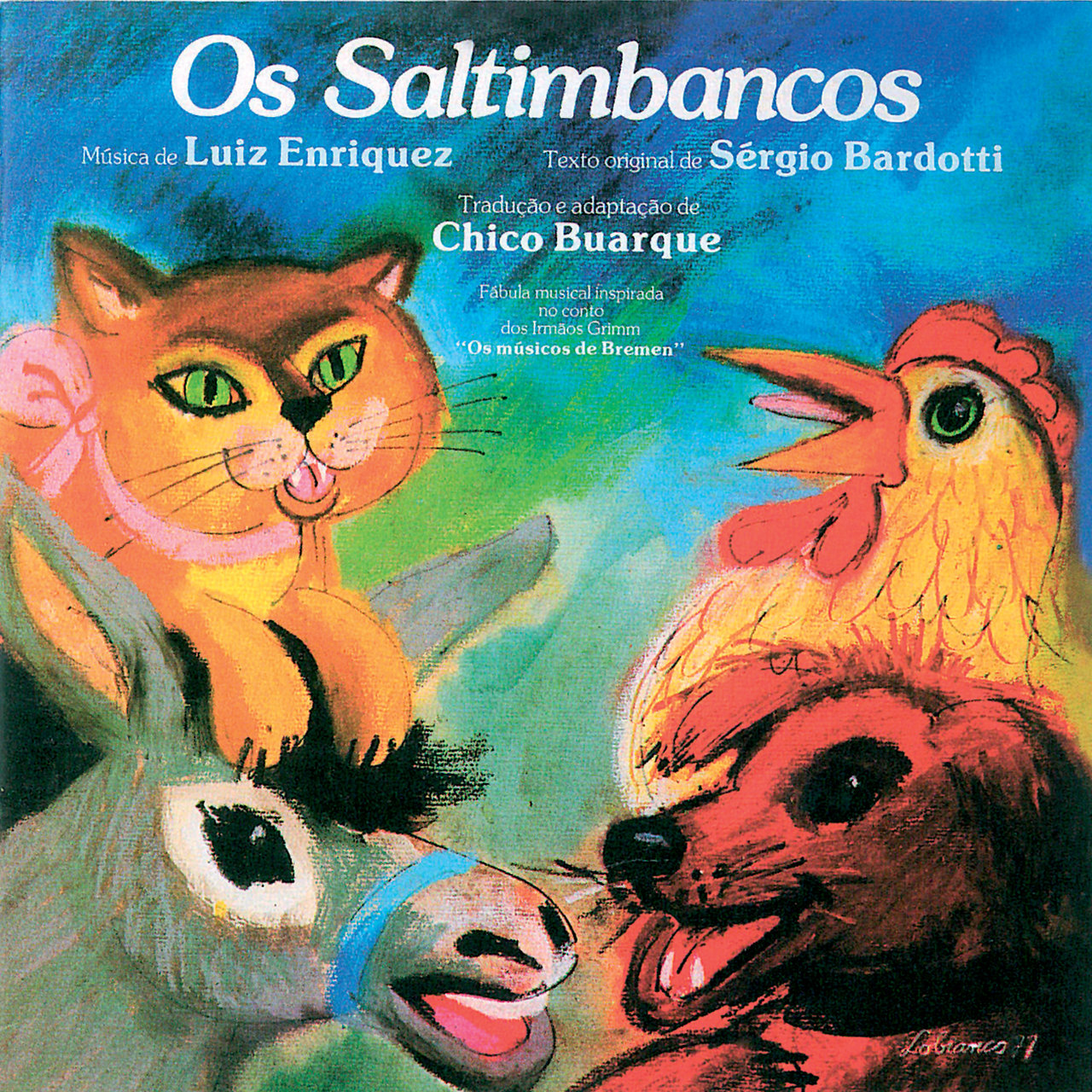
Os Saltimbancos is an unmissable milestone in Brazilian discography, an album that transcends the category of children's work to become a sophisticated musical show with multiple layers of meaning. Released in 1977, it is the Brazilian adaptation of the Italian play "I Musicanti", inspired by the Brothers Grimm tale "The Bremen Town Musicians", but which, in Chico Buarque's hands, gained a profound resonance with the social and political reality of Brazil at the time. Its genius lies in its ability to enchant children with the fable of oppressed animals, whilst offering adults a shrewd allegory about exploitation and the search for freedom. The album stands out not only for its engaging narrative, but for its unique musical quality, with songs that became instant classics. Chico Buarque translated and adapted the lyrics by Sergio Bardotti and the music by Luis Enríquez Bacalov, imbuing them with his poetic sensibility and unmistakable artistic hallmark. This fusion resulted in a rich and timeless repertoire, which continues to captivate different generations with its message of unity and resistance, presented playfully and, at the same time, profoundly critically.
Context
The adaptation of Os Saltimbancos by Chico Buarque, completed in 1976 and released as an album in 1977, occurred during a period of intense repression by the military dictatorship in Brazil. The work, originally a children's fable, was skillfully transformed into a political allegory, a common tactic among artists of the time to circumvent censorship. In this context, the four animal protagonists acquired symbolic roles: the Donkey representing rural workers, the Hen the working class (or, at times, women), the Dog the military, and the Cat, artists. The Baron, the animals' enemy, personified the elite and the "owners of the means of production", in other words, the oppressive system. The play, and consequently the album, became a vehicle for social and political criticism, allowing themes such as exploitation, unity and resistance to be addressed indirectly and engagingly, accessible to all and, at the same time, with a clear message for those who could decipher its subtext.
Recording
The studio album Os Saltimbancos was released in March 1977, five months prior to the theatrical show's premiere. This inversion in the release order allowed the songs to already be in the popular imagination even before they were seen on stage. The recording featured a stellar vocal cast, who lent their voices to the animal characters: Nara Leão interpreted the Cat, Miúcha brought the Hen to life, whilst Magro and Ruy, members of the renowned group MPB4, embodied the Donkey and the Dog, respectively. The record was also enriched by the participation of a children's choir, which added authenticity and the necessary lightness to the work's proposition. Chico Buarque, in later accounts, mentioned the difficulty of convincing the record label to invest in a children's album at the time, which highlights his personal commitment to moving the project forward and the vision he had for the work's potential.
Songs
The songs from Os Saltimbancos, all adapted by Chico Buarque from the original compositions by Luis Enríquez Bacalov and Sergio Bardotti, are the core of the work. They narrate the journey of four animals who, tired of their owners' exploitation, decide to flee and try their luck as musicians in the city. Each song, such as "Bicharia", "História de uma gata", "Minha canção" and "Todos Juntos", not only advances the plot, but also carries the work's duality: lightness for the child audience and social criticism for adults. The lyrics address universal themes such as freedom, solidarity and the search for a place in the world, presenting each character's anxieties and hopes in a poetic and accessible way. The song "Todos Juntos", for example, symbolises the peak of the animals' unity against oppression, resonating with a strong ideal of collectivity. The melodic refinement, combined with the clarity of the messages, made these songs "penetrate the imagination of generations of children and adults", being remembered and sung even today in different contexts.
Legacy
Os Saltimbancos, both in its album version and its theatrical production, received immediate critical acclaim. Nelson Motta, critic for the newspaper O Globo, praised the work, stating that, "Although created for children, Os Saltimbancos can perfectly rank among the best shows for adults playing in the city", highlighting Chico Buarque's "profound demonstration of love and respect for Brazilian children" and its ability to convey "fundamental values for the lives of so many, adults and children". The musical was awarded the Troféu Mambembe in the Special Category for Chico Buarque for the adaptation and the Troféu APCA from the Associação Paulista de Críticos de Arte as Best Show. Its legacy is vast, with songs that have become part of the Brazilian cultural repertoire, constantly revisited in schools and theatres. Beyond the countless theatrical revivals that have endured for decades, the work has generated remarkable cinematic adaptations, such as "Os Saltimbancos Trapalhões" from 1981, considered one of the best films by the comedic group and in Brazilian cinema, and its 2015 reboot. More recently, in 2024, an animated adaptation by The Walt Disney Company was announced, directed by Carlos Saldanha, perpetuating its relevance and reach for new generations.
Tracks
Credits
Luis Enriquez
Miucha
Chico Buarque, Sérgio De Carvalho
Luis Enriquez
Nara Leão
Miucha
Ruy
Magro
Chico Buarque
Sergio Bardotti
Massimo Becagli, Paulo Sergio, Plinio Chiesa
Ary Carvalhaes
Sérgio De Carvalho
Podcasts
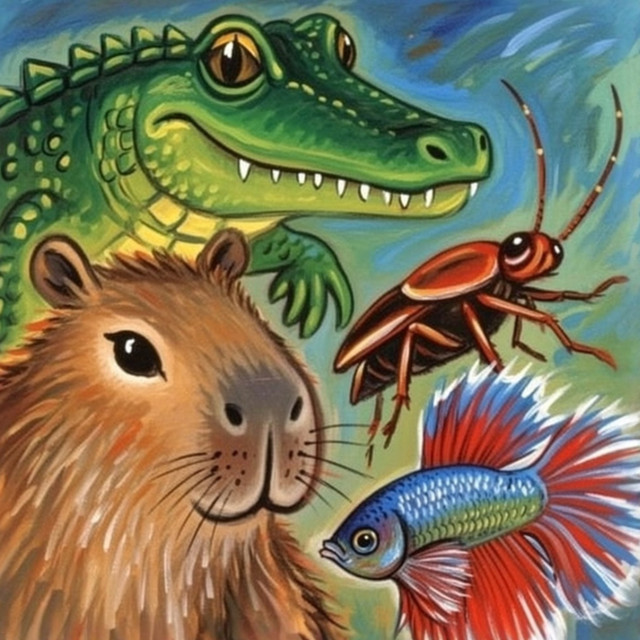
Os Novos Saltimbancos A Luta continua · Pedro Felipe
O Zacaré, o peixe Beta, a Capivara e a Dona Baratinha perceberam que não tem voz e juntos eles querem ensinar as crianças a respeitarem os animais e a importância da unidade e da luta.Inspirada na Obra do Genial Chico Buarque, Os novos Saltimbancos brinca com uma tentiva de modernizar a mensagem e a instrumentalização dessa obra que tocou meu coração por toda minha infância e hoje levo para minha
Ler para Crescer · Antonio Sampaio Dória
Uma das peças musicais mais famosas de todos os tempos, de Chico Buarque, Os Saltimbancos incluem o Jumento, o Cachorro, a Galinha e a Gata. Os 4 em busca de sua liberdade e longe da opressão! Os Saltimbancos, de Chico Buarque, ilustrações de Ziraldo.#livrosinfantis #historiasinfantis #dicasparapais #literaturainfantil #ossaltimbancos #chicobuarque #lerparacrescer #antoniosampaiodoria
Videos
Fábula e crítica social em "os saltimbancos" de 1977
Fontes Historicas da Ditadura
Films

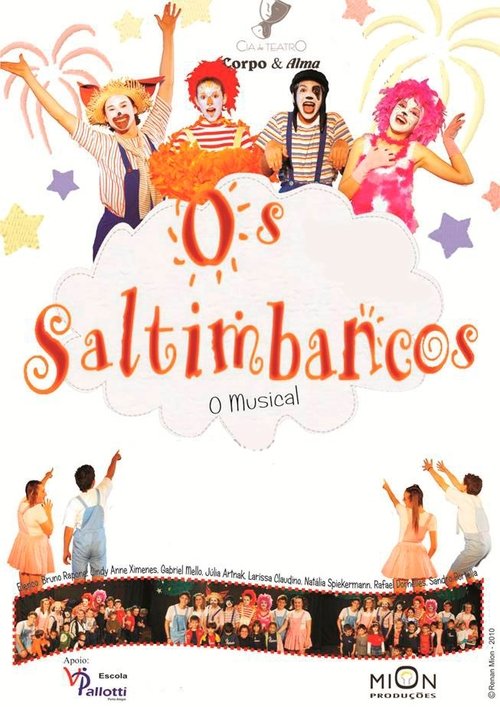
Os Saltimbancos: O Musical
2010
A donkey, a dog, a chicken and a cat leave the farm lands in search of stardom. The official register of the 2010 theatrical tour of "Os Saltimbancos", produced by Cia de Teatro Corpo & Alma.
The Traveling Musicians
Carlos Saldanha will adapt the play Os Saltimbancos for cinemas. The project was announced during D23 Brasil, and will also have Maria Gadú directing.
Os Saltimbancos Trapalhões
1981
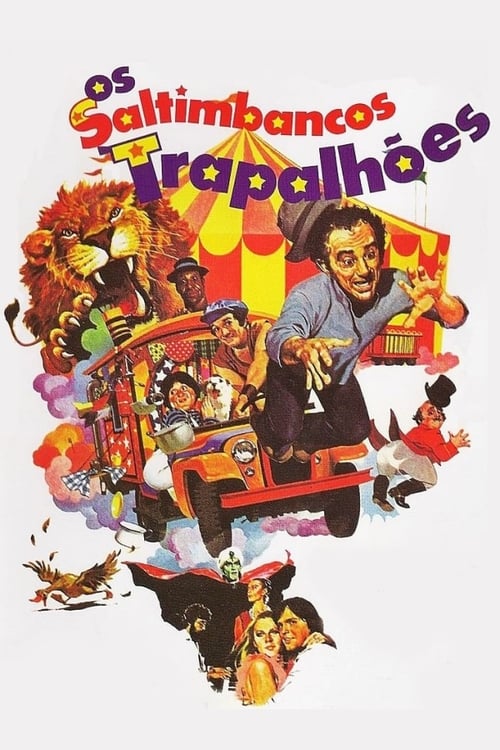
Humble officials, friends Didi, Dedé, Mussum and Zacarias become the great attraction of the circus Bartolo, thanks to its incredible ability to make the public laugh. But success has a price: the opposition of the magician Assis Satan and the greed of the Baron, the owner of the circus. Together, the four friends will have to fight them.
Books
Analyses
Os Saltimbancos – Wikipedia
Wikipedia, the free encyclopaedia
Album: Os saltimbancos. Artist/Band: Chico Buarque. Year: 1977.
staimusic.com
Album overview Released in 1977, "Os Saltimbancos" is a seminal Brazilian musical created by the celebrated composer and lyricist Chico Buarque, alongside collaborators such as Jorge Ben Jor and Paulo Moura. The album is a theatrical adaptation of the 19th-century fable "The Brementown Musicians" by the Brothers Grimm, transformed into a vibrant musical that explores themes of freedom and ...

Os Saltimbancos - 1977 - Chico Buarque - Enriquez - Bardotti
tabernanovostempos.blogspot.com
Soundtrack of the eponymous theatrical show, this LP marked (and continues to mark) several generations of entire families, children and adults. A story based on a Brothers Grimm fairy tale, the original text by Sérgio Bardotti was translated by Chico Buarque and the music is by Luiz Enriquez.

Os Saltimbancos - 1977 - Chico Buarque - Enriquez - Bardotti
criaturadesebo.blogspot.com
Soundtrack of the eponymous theatrical show, this LP marked (and continues to mark) several generations of entire families, children and adults. A story based on a Brothers Grimm fairy tale, the original text by Sérgio Bardotti was translated by Chico Buarque and the music is by Luiz Enriquez.
PDF Tcc - Ana Noronha
lume.ufrgs.br
This work is a communication study that examines the play of meanings present in the musical album Os Saltimbancos, rendered and released by Chico Buarque de Hollanda in 1977.
