Afrociberdelia
Chico Science & Nação Zumbi
1996
Rankings
Why This Album Matters
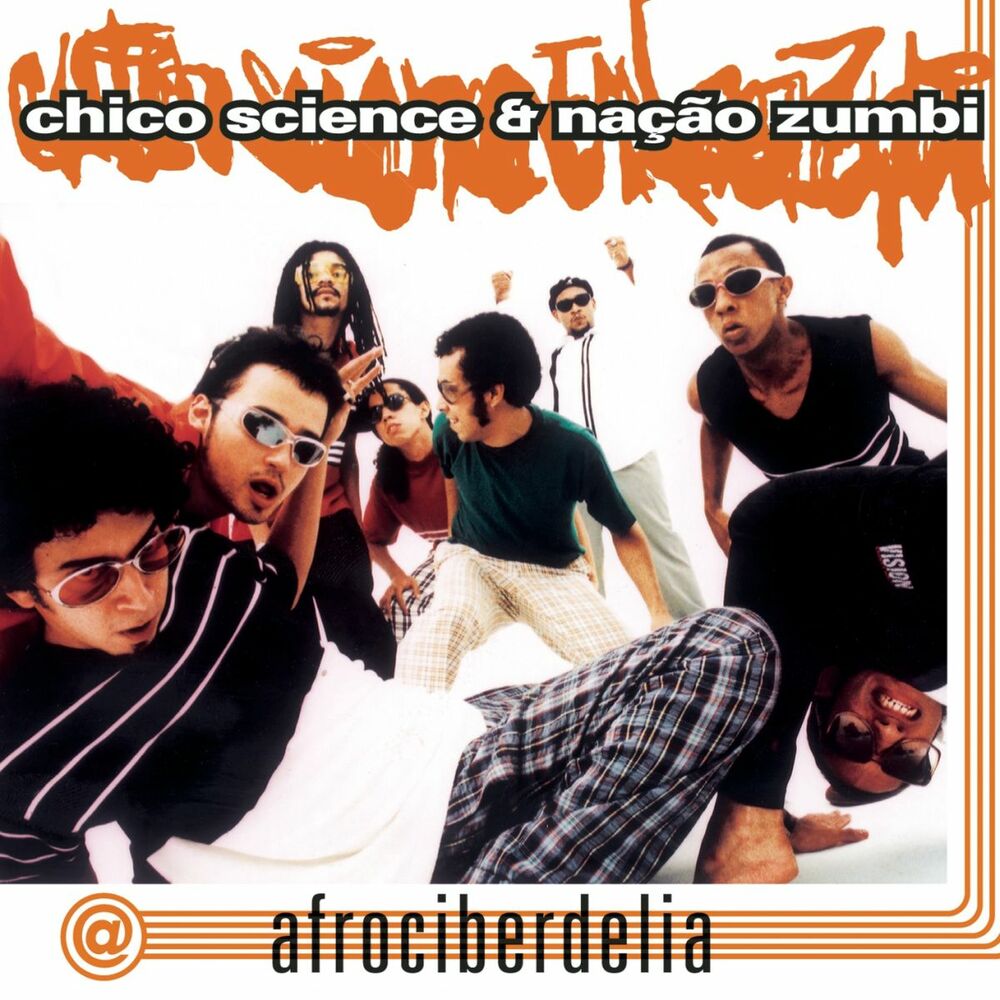
Afrociberdelia is the second and final album featuring Chico Science from the iconic band Chico Science & Nação Zumbi, released in May 1996. This work is widely recognised as the main opus of the manguebeat movement, consolidating the group's unique sound that blends maracatu elements with hip-hop and a wide range of influences, from African rhythms to psychedelic rock and electronic music. The album, although considered by some less cohesive than its predecessor, is notable for the significant improvement in arrangements and musical production, setting a new standard for the band. The title itself, Afrociberdelia, a neologism that combines "Afro", "cybernetics", and "psychedelism", serves as a conceptual manifesto for the record. It was defined in the original liner notes as "the art of mapping the primal genetic Memory (...) through electrochemical stimuli, verbal automatisms and intense bodily movement to the sound of binary music", a statement that encapsulates the lyrical depth and sonic innovation that permeate the album. It is a landmark in Brazilian music for its aesthetic audacity and cultural relevance.

The Afro-Brazilian-cybernetic alchemy, in a sonic effervescence of absurd connection to the era we were living through.
Ramiro Zwersch · Rolling Stone Brasil
Context
Before the recording of Afrociberdelia, in 1994, Chico Science and Eduardo Bid, guitarist for the band Professor Antena, strengthened their ties, going on to compose the track "Macô" and record a cover of "Roda, Rodete, Rodeano". Despite the commercial and critical success of Da Lama Ao Caos, producer Liminha's work on the previous album was questioned by some fans, who felt that the record had not captured the true sound of Nação Zumbi. This dissatisfaction was crucial for Chico Science to invite Bid, who, although known as a guitarist, was taking on the complete musical production of an album for the first time, contrary to the interests of Sony Music, which was looking for an experienced foreign producer. In 1995, the band also incorporated drummer Pupillo, whose arrival introduced drums to the group's sound, an element that would become crucial in Nação Zumbi's new phase. The desire to capture the essence of live performance and the search for a more authentic sound were the catalysts for the production choices and collaborations that shaped Afrociberdelia.
Recording
Afrociberdelia was produced by Eduardo BiD, marking his debut in this role, and recorded at the renowned Nas Nuvens studio in Rio de Janeiro. To ensure fidelity to the sound the band presented on stage, sound engineer G-Spot was invited for the recordings and mixing, leveraging his experience with rap groups, which resulted in a drum timbre that the band members finally considered ideal. The recording featured several special guest appearances: Gilberto Gil and Marcelo D2 joined the band on the track "Macô", Marcelo Lobato contributed keyboards to "Um Satélite na Cabeça", and Fred Zero Quatro enriched "Samba de Lado" with his cavaquinho. In an effort to ensure commercial success, Jorge Davidson, musical director at Sony Music, suggested the inclusion of a cover of "Maracatu Atômico" by Jorge Mautner. Three remixes of this song were added to the album as bonus tracks, without the group's consent, and the songs "Manguetown" and "Maracatu Atômico" gained music videos directed by Gringo Cardia and Raul Machado, respectively. The track "Maracatu Atômico" was recorded at Estúdio Mosh in São Paulo, while the mixing of the others took place at Estúdio Mosh and Impressão Digital in Rio de Janeiro, with the final mastering carried out at Cia. de Audio in São Paulo.
Songs
The tracks on Afrociberdelia delve into themes central to the manguebeat movement, encompassing the appreciation of Pernambucan art, a critique of current social models, and the encouragement of cultural and artistic transgression. Unlike the previous album, all compositions were developed through partnerships, highlighting a more integrated collaboration. The song "Manguetown", whose music video was directed by Gringo Cardia, revisits the original idea of manguebeat by denouncing the so-called "progress" that transformed Recife into a "metropolis of the Northeast", resulting in the destruction of mangroves and the beginning of a gentrification process. "Um Passeio no Mundo Livre" was inspired by a real episode of a police approach to percussionists Gilmar Bolla 8 and Gira, both Black, and is interpreted as a reaffirmation of manguebeat's socio-political commitment to questioning prejudices and social problems. The track "Macô", in turn, openly addresses cannabis consumption, a theme the band had previously sought to explore in "A Praieira", but which was altered due to fear of reprisals, a situation avoided with the participation of Marcelo D2 from Planet Hemp and Gilberto Gil, the latter known for his own experience with the subject. Furthermore, "Mateus Enter", "O Cidadão do Mundo", and "Etnia" are highlighted for disarticulating the knots of colonial difference, in dialogue with Édouard Glissant's understanding of creolisation.
Legacy
Afrociberdelia was crucial in elevating Chico Science & Nação Zumbi to a prominent position in the music scene, being widely recognised as the main work of the manguebeat movement. The sonic blend of maracatu and hip-hop was praised, and the album received favourable reviews in international outlets such as The New York Times and Spin magazine, leading to an invitation from David Byrne's Luaka Bop label for its international release. Commercial success was confirmed in April 1997, when the record achieved gold certification, just two months after Chico Science's passing. The album features prominently in lists of great works of Brazilian music, such as 18th place on Rolling Stone Brasil's list of the 100 greatest Brazilian music albums and 2nd place in the Scream & Yell website's poll of the best national albums of the 1990s. Songs such as "Manguetown" and "Macô" became group classics, and Chico Science's interpretation of "Maracatu Atômico" moved composer Jorge Mautner. "Maracatu Atômico" had a remix included in the Red Hot + Rio compilation (an AIDS awareness campaign) and was re-recorded by a vast array of artists, including Caetano Veloso, Emicida, Sergio Mendes, and Zélia Duncan, in addition to being performed at the closing ceremony of the 2012 Summer Olympics. "Sangue de Bairro" was part of the soundtrack for the film Baile Perfumado and was re-recorded by Soulfly in 2002. In 2016, Nação Zumbi celebrated the album's 20th anniversary with a series of shows, performing live for the first time tracks such as "O Encontro de Isaac Asimov com Santos Dumont" and "Baião Ambiental".
Tracks
Podcasts

4 Discos 1 Tema · Quatro Discos
No episodio dessa semana, continuando a saga dos discos bons de capa feia com a escolha do Fael: Afrociberdelia (1996), de Chico Science & Nação Zumbi. Apesar da capa que mais parece uma coletânea genérica das Lojas Americanas, o conteúdo é revolucionário um marco da música brasileira que funde maracatu, rock, hip hop e eletrônico. No episódio, falamos sobre a ousadia sonora de faixas como “Mangue
Disconversando Podcast · Disconversa
Salve, salve discólatras!! Hoje é dia de bodas de prata no Disconversando!! Lucas Vieira, Vitor Silveira e William de Abreu recebem Larissa Carvalho para falar sobre os 25 anos de Afrociberdelia, o segundo disco do Chico Science e Nação Zumbi, lançado em 1996. Fique por dentro nesse episódio: entenda o que foi o manifesto Caranguejos com Cérebro, conheça a origem do Mangue Beat, saiba das tretas e
Videos
"Afrociberdelia": Um clássico do Chico Science & Nação Zumbi | Disco do Dia | Alta Fidelidade
Alta Fidelidade
discos // histórias - ep 20 - CHICO SCIENCE & NAÇÃO ZUMBI (afrociberdelia)
jean mafra
Books
Criança de Domingo
José Teles · 2024
A comprehensive biography of Chico Science (Francisco de Assis França), one of the most important artists in Brazilian music and leader of Nação Zumbi. The book traces his life's trajectory, from his birth in Recife in 1966 until his death, and his fundamental contribution to Brazil's musical culture, covering his career and the band's iconic albums, such as 'Afrociberdelia'.
Os 500 Maiores Álbuns Brasileiros de Todos os Tempos
Ricardo Alexandre · 2022
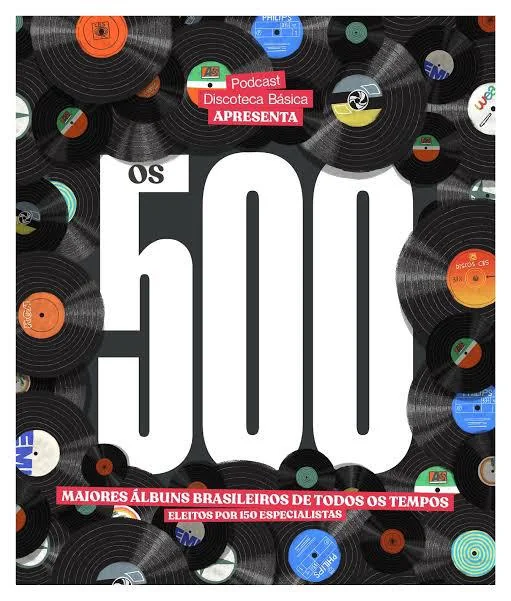
The largest Brazilian music election ever conducted: 162 specialists, spanning journalists, critics, musicians, producers and podcasters, each nominated 50 essential albums, supported by a masterlist of more than 2,000 works. Led by Ricardo Alexandre with tabulation by Sérgio Jomori, it was published in December 2022 as a 200-page hardcover book with graphic design by Fernando Pires.
Chico Science & Nação Zumbi – Da lama ao caos
Lorena Calábria · 2020
In 1993, Chico Science & Nação Zumbi entered a professional studio for the first time to record the album 'Da lama ao caos'. The Mangue scene, a kind of collective musical and aesthetic insurrection that emerged in the early nineties, expanded beyond Recife's nightlife to their first show in São Paulo, transforming the band into a phenomenon. This book by Lorena Calábria explores the group's trajectory, its cultural impact, and the relevance of its albums, including 'Afrociberdelia'.
Maracatu Atomico
Philip Galinsky · 2013
'Maracatu Atômico' is the first academic work to investigate the mangue movement, one of the most vital trends in Brazilian pop culture over the last thirty years, and the related 'new music scene' of Northeast Brazil. The book addresses how mangue valued local culture amidst poverty and social problems, being essential for understanding the context of 'Afrociberdelia'.
Analyses
Afrociberdelia – Wikipedia
Wikipedia, the free encyclopaedia
Afrociberdelia – The 100 Greatest Albums of Brazilian Music
Ramiro Zwersch · Rolling Stone Brasil
The Afro-Brazilian-cybernetic alchemy, in a sonic effervescence of absurd connection to the era we were living through.
'Afrociberdelia', de Chico Science & Nação Zumbi, completa 30 anos
cbn.globo.com
Thirty years ago, on 15 May 1996, the world was introduced to one of the most important albums in the history of Brazilian music: 'Afrociberdelia', the second studio production by the band Chico Science & Nação Zumbi, which dared to mix traditional rhythms from the Brazilian Northeast with hip hop and electronic music.

Chico Science & Nação Zumbi: 30 anos de "Afrociberdelia"
bcfblogculturaefutebol.blogspot.com
The music meanders through rap, groove, and rock, while Chico Science ensures the manguebeat identity with defined, attitude-filled verses. 'Etnia' is perhaps one of the tracks that best translates the essence of Nação Zumbi.
30 Anos de Afrociberdelia A confirmação do poder do manguebeat
musicalidade.com
Afrociberdelia, released in 1996, stems from a creative and intense period for the group Chico Science & Nação Zumbi. The album divides opinions among some of the recording's participants and journalists (who spoke exclusively to Musicalidade).