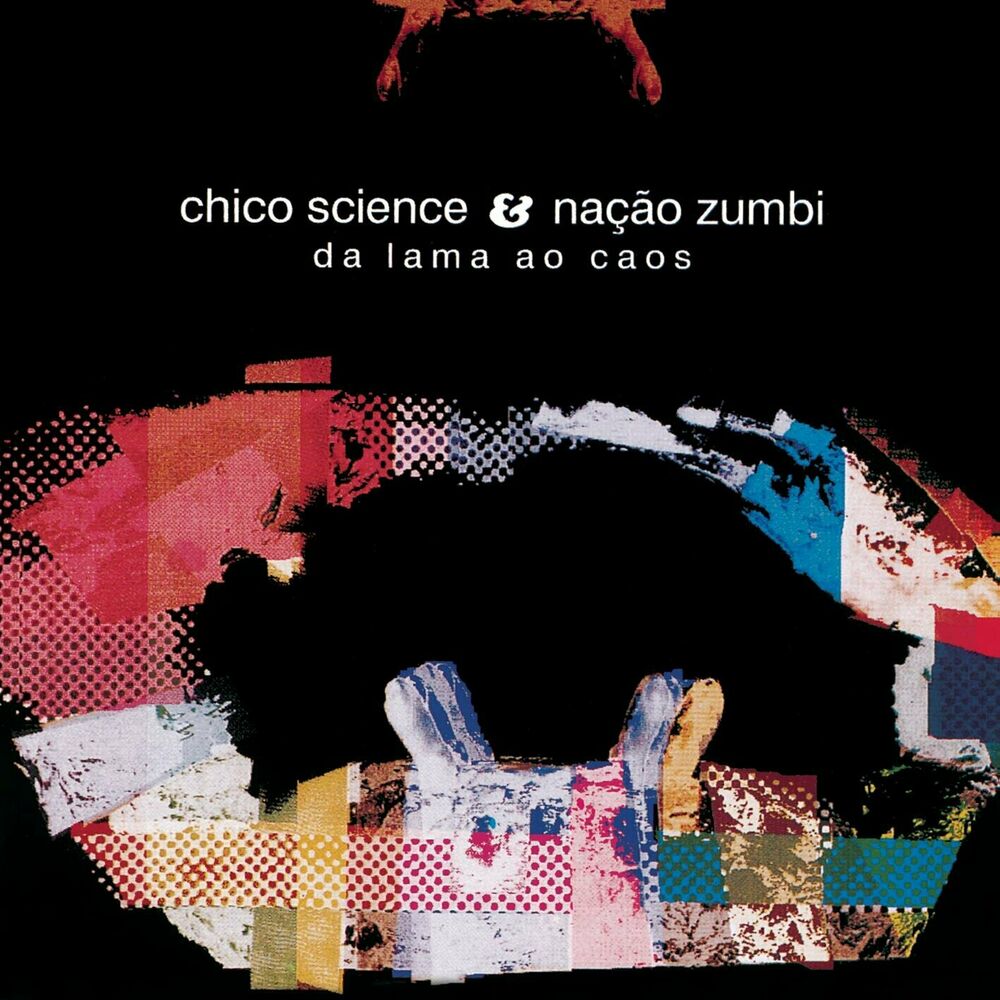
Da Lama ao Caos
Chico Science & Nação Zumbi
1994
Rankings
Why This Album Matters
Da Lama ao Caos represents the phonographic debut of Chico Science & Nação Zumbi, a landmark that introduced a visceral and innovative sound to the Brazilian music scene in 1994. The album is a cultural melting pot, blending traditional Pernambucan rhythms, such as maracatu, with elements of rock, funk and hip-hop, as well as the pioneering use of samplers, creating a distinct and vibrant sonic identity. More than just a musical fusion, the album stands out for its profound thematic immersion in the social and urban realities of Recife. The lyrics address everything from inequality and urbanisation in the Metropolitan Region to concepts of chaos theory and science fiction, weaving a rich and engaged narrative. The work expresses a quest for social change, saluting revolutionary figures and important thinkers, solidifying the cultural and ideological proposition of the then-emerging manguebeat movement.

The fusion of maracatu, rock, hip-hop, dub and electronic was so innovative and broad-ranging that it still resonates today.
Bruno Natal · Rolling Stone Brasil
Context
In 1993, the manguebeat movement, of which Chico Science & Nação Zumbi was a leading exponent, gained considerable repercussion throughout Brazil. After a series of shows in their native Recife and limited performances in major centres such as São Paulo and Belo Horizonte, the group cemented their path by signing a contract with Sony Music in July of the same year. This meteoric rise paved the way for the recording of their first studio album.
Recording
The recordings for Da Lama ao Caos took place at Estúdio Nas Nuvens in Rio de Janeiro, owned by producer Liminha, who took on the project's direction after being nominated by Sony Music. Initially, Chico Science had considered names like Arto Lindsay or Bill Laswell, but Liminha's decision to produce the album came after he heard a cassette tape with the band's demos. The recording process was intense, with twelve-hour sessions from Monday to Saturday. The band, comprising Chico Science, Jorge Du Peixe, Gilmar Bolla 8, Gira, Canhoto and Toca Ogan, many of whom came from the group Lamento Negro, faced challenges such as a lack of studio experience and the inclusion of unconventional instruments for the phonographic industry of the time, such as alfaias. The percussionists even used João Barone's drumsticks. Furthermore, the innovative sound featured Chico Neves directing the samplers on six tracks, with Chico Science credited for the samplers on the track "Lixo do Mangue".
Songs
The album's lyrics are one of its central pillars, reflecting a profound influence from Josué de Castro's work, notably in compositions such as the title track and in verses from "Rios, Pontes e Overdrives", "Antene-se" and "Risoflora", which reinterpret themes from "Homens e Caranguejos". The lyrical narrative expands to address science fiction, chaos theory and pressing issues of urbanisation and social inequality in the Recife Metropolitan Region, calling for social transformations. The thematic richness is complemented by Brazilian cultural references, such as the mention of the cangaceiro Lampião in "Monólogo ao Pé do Ouvido" and "Banditismo por Uma Questão de Classe", and the homage to Mestre Salustiano in "Salustiano Song", where Lúcio Maia's guitar emulates the sound of the rabeca. Sonic innovation also manifests in the use of samplers, an uncommon practice for rock bands of the era, with snippets from artists such as The Fall, Don Cherry, Manu Dibango and Can, as well as folkloric groups like Velho Faceta and Baianas de Ipioca, which enrich tracks like "Rios, Pontes & Overdrives", "Samba Makossa" and "A Cidade".

Francisco de Assis França, Chico Science, was thirty years old when he died in a car accident on 2 February 1997.
Arthur Dapieve · 300 Discos Importantes
Legacy
Despite an initial reception that did not meet the record label's expectations, with moderate sales and some fans feeling a loss of the heavy sound from their live shows, Da Lama ao Caos progressively carved out its niche, cementing its place as one of the most important albums in Brazilian music. Its impact extended beyond borders, with the band commencing an international career through shows in the United States and Germany, and the album's re-release for the North American market via David Byrne's label, Luaka Bop. The album is frequently recognised for its seminal character, being listed at 13th position among the "100 greatest albums of Brazilian music" by Rolling Stone Brasil and 17th among the "500 greatest albums of Brazilian music" by Discoteca Básica. It is cited as a precursor to the nu metal subgenre and directly influenced Sepultura's album Roots, which dedicated the work to the Manguebeat movement. The album's promotion of popular culture and rhythms such as rural maracatu was compared to Ariano Suassuna's Movimento Armorial. The legacy of Da Lama ao Caos remains alive and reverberating. Its songs are constantly re-recorded by a diverse range of artists, such as Elza Soares, Daniela Mercury, Sepultura, Elba Ramalho, Charlie Brown Jr. and Planet Hemp. In 2022, it was voted the best Brazilian music album of the last 40 years in an O Globo newspaper poll, reaffirming its cultural and artistic relevance throughout the decades.
Tracks
Credits
Jorge Davidson
Liminha
Alberto Fernandes, Ricardo Garcia
Dengue
Canhoto
Gilmar Bolla Oito, Gira, Jorge Du Peixe
Lúcio Maia
Toca Ogan
Chico Science
Claudio Almeida
Hilton Lacerda
Guilherme Calicchio, Liminha, Vitor Farias
Eddy Schreyer, Steve Hall
Liminha, Vitor Farias
Renato Muñoz
Claudio Almeida, Helder Aragão De Melo, Hilton Lacerda, Luciana K
Ronaldo Viana
Dolores & Morales
Helder Aragão De Melo
Imago
Podcasts
Discoteca Básica Podcast · Parasol Storytelling
PARABÓLICAS PREMIADAS. O melhor disco brasileiro dos últimos 40 anos segundo “O Globo”, um dos 20 mais entre “Os 500 Maiores Álbuns Brasileiros de Todos os Tempos”, a estreia da Nação Zumbi nasceu voltada para o futuro e sintetizou toda a efervescência do pop nacional da década de 1990. Convidada do episódio: Lorena Calábria Assinante do Clube Discoteca Básica tem conteúdo complementar. Nesta se
CMM · Crazy Metal Mind
Episódio originalmente publicado em 05/03/2019. No 396º episódio do Podcast mais Rock’n Roll da internets Rômulo Konzen, Daniel Iserhard e Leandro Pereira batem papo sobre o disco Da Lama ao Caos do Chico Science & Nação Zumbi. Trilha sonora do podcast (na ordem): *Chico Science & Nação Zumbi - Da Lama Ao Caos *Chico Science & Nação Zumbi - A Cidade *Chico Science & Nação Zumbi - Computadores F
![Chico Science & Nação Zumbi - Da Lama Ao Caos [EP.8][Discopatas na Rádio]](https://i.scdn.co/image/ab6765630000ba8a8290f955e9add20607cab776)
No oitavo episódio do Discopatas, voltamos ao Brasil para analisar o álbum que, em 1994, sacudiu as estruturas da música nacional e provou que o Recife podia ser o centro do mundo. Vamos falar de "Da Lama Ao Caos", o disco de estreia de Chico Science & Nação Zumbi.Este disco não foi apenas um lançamento; foi um levante cultural. Misturando a batida ancestral do maracatu com o peso do rock, a psico
Da Lama ao Caos, lançado em abril de 1994, é o álbum de estreia de Chico Science & Nação Zumbi, e se tornou um marco do movimento Manguebeat. Misturando ritmos tradicionais pernambucanos, com elementos de rock, hip-hop, funk e música eletrônica, o álbum traz uma sonoridade inovadora e letras que abordam questões sociais, culturais e urbanas de Recife e do Brasil. Obra fundamental do rock e da mús
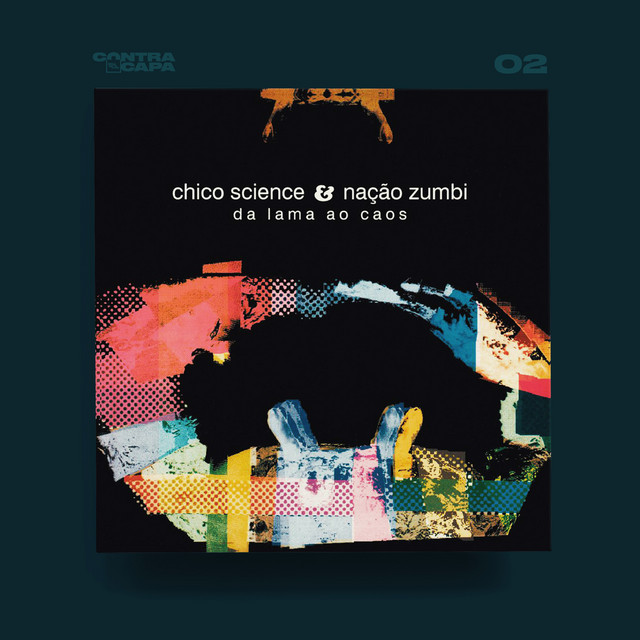
Diagrama - Design, Processo e Cultura Visual · Rogerio Lionzo
Nesse episódio do Contracapa, um bate-papo com o Helder Aragão (também conhecido por DJ Dolores) sobre o processo e a criação da capa de um dos discos mais emblemáticos da música brasileira (e um dos principais ícones do movimento manguebeat): o album Da Lama ao Caos do Chico Science & Nação Zumbi. Para mais informações e para ver o guia visual, acesse www.diagrama.co Facebook: www.facebook.com
Videos
Álbum de Estreia: CHICO SCIENCE & NAÇÃO ZUMBI: DA LAMA AO CAOS (1994) | REWIEW
Música Social *
Da Lama Ao Caos (1994) - Chico Science & Nação Zumbi | O Som do Vinil
Canal Brasil
"Da lama ao caos" - Chico Science & Nação Zumbi | Melhores discos dos anos 90 | Alta Fidelidade
Alta Fidelidade
Só livros sobre música // Chico Science & Nação Zumbi: Da Lama ao Caos (Lorena Calábria)
Guidi Vieira
'Chico Science e Nação Zumbi - Da Lama ao Caos' conta detalhes do emblemático disco | Literatura
Metrópolis
SABE SOM? EP14 "Livro do disco" Da Lama ao Caos, com Lorena Calábria
Thiago Franca
Films

Books
Os 500 Maiores Álbuns Brasileiros de Todos os Tempos
Ricardo Alexandre · 2022
The largest Brazilian music election ever conducted: 162 specialists, spanning journalists, critics, musicians, producers and podcasters, each nominated 50 essential albums, supported by a masterlist of more than 2,000 works. Led by Ricardo Alexandre with tabulation by Sérgio Jomori, it was published in December 2022 as a 200-page hardcover book with graphic design by Fernando Pires.
Da lama ao caos
José Teles · 2019
Written by journalist and music critic José Teles, this book reconstructs the trajectory of the iconic album 'Da Lama ao Caos' on its 25th anniversary. The work details how Chico Science & Nação Zumbi's album transformed Brazilian music by integrating samplers and heavy guitars with the popular rhythms of Pernambuco, consolidating the Manguebeat movement.

300 Discos Importantes da Música Brasileira
Charles Gavin, Tárik de Souza, Carlos Calado, Arthur Dapieve · 2008
Conceived by Titãs drummer and musical researcher Charles Gavin, the 434-page book brings together covers and reviews of albums released between 1929 and 2007. The texts were written by journalists Tárik de Souza, Arthur Dapieve and Carlos Calado.
"Rios, Pontes E Overdrives"
Kirsten Marie Ernst · 2007
The title harks back directly to the Manguebeat manifesto and to one of the most emblematic tracks on the album 'Da Lama ao Caos'. It is likely that this book will thoroughly analyse the aesthetic and musical proposal of Chico Science & Nação Zumbi, exploring the fusion of regional rhythms with global elements that defined the movement and the album.
Hibridismos musicais de Chico Science & Nação Zumbi
Herom Vargas · 2007
This work aims to investigate the 'musical hybridity' in the work of Chico Science & Nação Zumbi, a central theme for understanding the album 'Da Lama ao Caos'. The book probably analyses the innovative fusion of rhythms such as maracatu, coco and ciranda with rock, hip-hop and electronic music, characteristic of Manguebeat and the band's debut album.
Analyses
Da Lama ao Caos – Wikipedia
Wikipedia, the free encyclopaedia
Da Lama ao Caos – The 100 Greatest Albums of Brazilian Music
Bruno Natal · Rolling Stone Brasil
The fusion of maracatu, rock, hip-hop, dub and electronic was so innovative and broad-ranging that it still resonates today.
Como "Da Lama ao Caos" imortalizou Chico Science & Nação Zumbi
igormiranda.com.br
The singles "A Praieira" and "A Cidade" were selected to be part of the soundtrack for "Tropicaliente" (1994) and "Irmãos Coragem" (1995), both by TV Globo. By the end of 1995, "Da Lama ao Caos" would reach 100,000 copies sold and a gold disc.

Da Lama ao Caos — Nação Zumbi (Review #7)
universalantropologico.blogspot.com
The debut album by the band Nação Zumbi (which was previously Chico Science & Nação Zumbi) is, without a shadow of a doubt, a classic of Brazilian music. The band was under the leadership of the late Chico Science, and the album was recorded under contract with the Chaos label, a partner of Sony.
'Da lama ao caos', de Chico Science & Nação Zumbi, é ... - O GLOBO
oglobo.globo.com
The city never stops, it just grows, and with it, the recognition for "Da lama ao caos", Chico Science & Nação Zumbi's debut album from 1994, which showed the world the sound that was being made in...