A Maestrina
Chiquinha Gonzaga
2000
Rankings
Why This Album Matters
The album A Maestrina, released in 2000 by Revivendo Discos, is a compilation of paramount importance for the preservation and dissemination of the work of Francisca Edwiges Neves Gonzaga, or Chiquinha Gonzaga. This double CD does not represent an original work by the composer, who passed away in 1935, but rather a comprehensive tribute that brings together diverse interpretations of her compositions by various artists. Through this collection, the public has the opportunity to revisit and appreciate the richness and diversity of Chiquinha Gonzaga's musical legacy, a seminal figure in Brazilian music. The album highlights the innovative style of the maestro, who masterfully transitioned between choro, polka, maxixe, and waltz, incorporating popular elements into her erudite creations and establishing herself as the first choro pianist and author of the first carnival march with lyrics. Its relevance lies in presenting a panoramic view of a vast and influential repertoire, which includes not only her best-known songs but also less explored works, contributing to keeping alive the memory and influence of one of Brazil's greatest composers.
Context
The release of A Maestrina in 2000 is part of a context of increasing recognition and rediscovery of Chiquinha Gonzaga's work at the end of the 20th and beginning of the 21st centuries. The miniseries "Chiquinha Gonzaga", broadcast in 1999, for example, rekindled public and critical interest in the composer's life and musical output. This album, therefore, emerges as a product of this renewed interest, consolidating and making available to the public an overview of her compositions interpreted by different generations and styles, celebrating her pioneering contribution to Brazilian popular music at a time when its roots were being valued.
Recording
The album A Maestrina was produced by Leon Barg and released by Revivendo Discos. As a collection, it brings together diverse recordings, which implies that the recording techniques and studios vary widely, depending on the original interpretations or the new recordings commissioned for the project. The record is characterised by being both vocal and instrumental, reflecting the versatility of Chiquinha Gonzaga's compositions and the different approaches of the participating artists. A notable characteristic is the inclusion of an "original disc demonstration" on the opening track of the first CD, which suggests an effort to rescue and present to the listener the historical sound of some of the works.
Songs
The A Maestrina compilation features an extensive and diverse repertoire, covering some of Chiquinha Gonzaga's greatest successes and lesser-known pieces. Among the standout tracks is "Abre-alas", the iconic carnival march that became a symbol of the maestro's joy and originality. The album also includes compositions such as "Trigueira", "A partida do tropeiro", "Catita", "Tava assim de português" and "Passos no choro", demonstrating the breadth of her talent for different genres and themes. The variety of interpreters contributes to presenting the songs from new perspectives, valuing the timelessness of the melodies and harmonies created by Chiquinha Gonzaga, who was adept at incorporating the diversity of music from the lower classes into her compositions.
Legacy
Since its release, A Maestrina has been recognised as an important record in the discography dedicated to Chiquinha Gonzaga. The fact that it is a double CD and features a vast range of works and interpreters establishes it as a reference for those seeking an introduction to or a deeper understanding of the composer's work. By bringing together compositions originally written for the theatre and others that expanded Chiquinha Gonzaga's known repertoire, the album contributed to consolidating her image as a central figure in the history of Brazilian music. Furthermore, its rarity and 'out of catalogue' status on some platforms make it a collector's item, evidencing its continuing importance and the demand for her work.
Credits
Francis Hime
Mario Avellar
Olivia Hime
Maurício Carrilho
Jorge Helder
Luciana Rabello
Cristiano Siqueira Alves
Andréa Ernest Dias
Pedro Amorim
Celsinho Silva
Francis Hime
Francis Hime, Olivia Hime, Silvio Mehry
Vittor Santos
Luiz Tornaghi
Ruth Freihof
Edinha Diniz
Lena Trindade
Podcasts
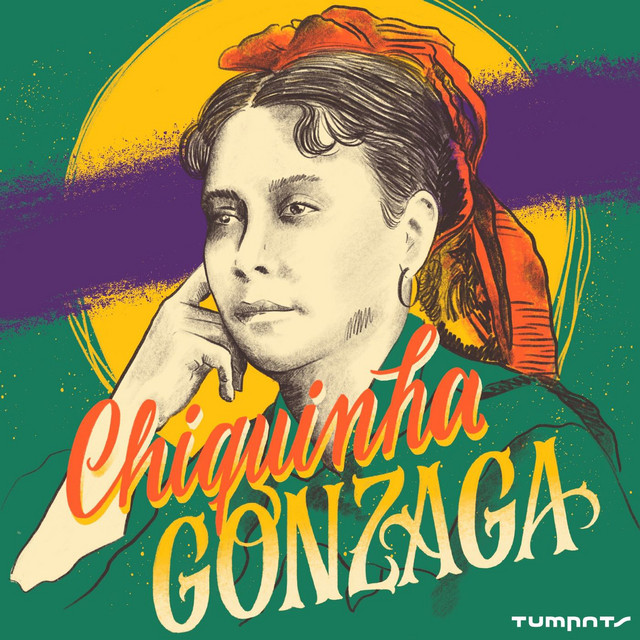
Heroínas do Brasil · Tumpats Podcasts
Prepare-se! Agora você vai conhecer a história de uma mulher que ousou desafiar as regras e a moral de seu tempo. Chiquinha Gonzaga, a primeira compositora de música popular do Brasil. Numa época em que as mulheres eram obrigadas a ficar em casa, obedecendo aos maridos, Chiquinha transgrediu várias normas sociais e foi à luta pra viver do seu talento musical.Ouça a história de Chiquinha Gonzaga -

Caçador de Mim · Luciene e Andre
Uma mulher à frente de seu tempo, foi pianista, maestrina e compositora carioca. Uma das maiores influências da música popular brasileira, era neta de uma escrava liberta e foi a primeira mulher a reger uma orquestra no Brasil.
Films

Books
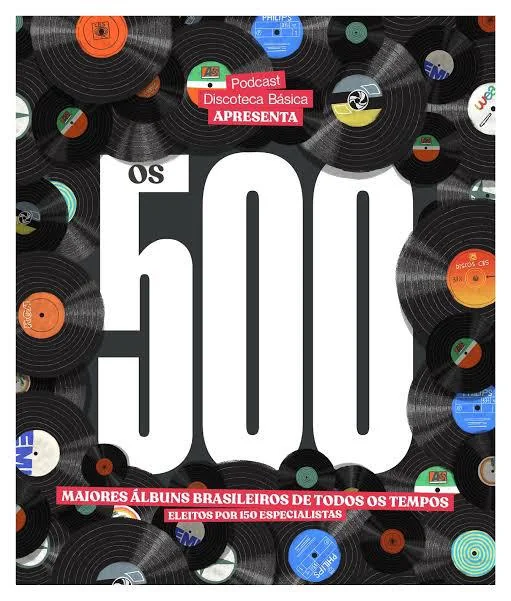
Os 500 Maiores Álbuns Brasileiros de Todos os Tempos
Ricardo Alexandre · 2022
The largest Brazilian music election ever conducted: 162 specialists, spanning journalists, critics, musicians, producers and podcasters, each nominated 50 essential albums, supported by a masterlist of more than 2,000 works. Led by Ricardo Alexandre with tabulation by Sérgio Jomori, it was published in December 2022 as a 200-page hardcover book with graphic design by Fernando Pires.
Chiquinha Gonzaga
Edinha Diniz · 2009
'Ó abre alas, que eu quero passar...' Chiquinha Gonzaga's most popular song could well serve as a motto for her life. A successful composer and conductor, at a time when women did not have professions, she blazed trails and helped define the course of Brazilian music. She left behind a cherished body of work. This detailed biography offers an in-depth insight into the artist's life and work, fundamental to understanding the context of the album 'A Maestrina'.
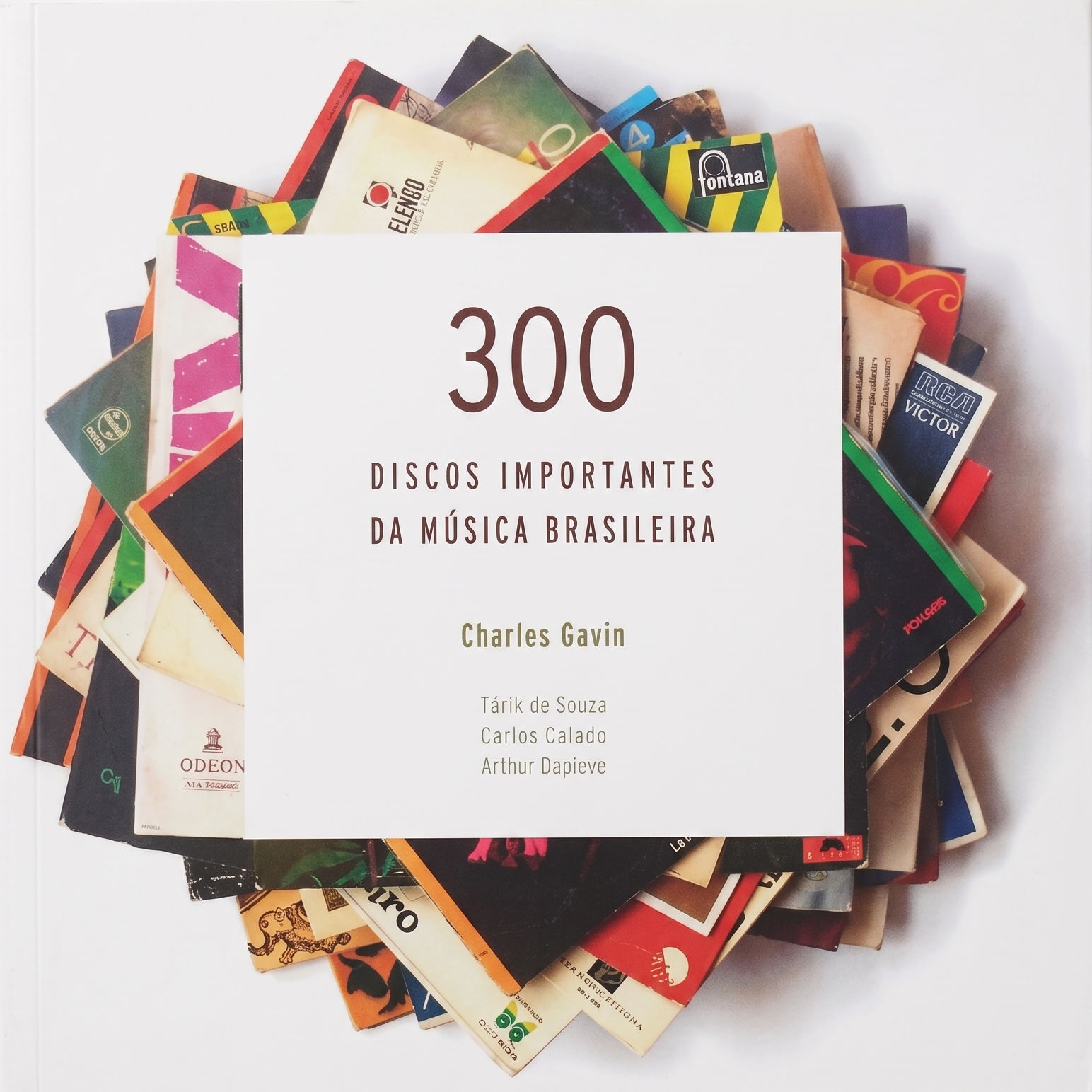
300 Discos Importantes da Música Brasileira
Charles Gavin, Tárik de Souza, Carlos Calado, Arthur Dapieve · 2008
Conceived by Titãs drummer and musical researcher Charles Gavin, the 434-page book brings together covers and reviews of albums released between 1929 and 2007. The texts were written by journalists Tárik de Souza, Arthur Dapieve and Carlos Calado.
Analyses
A Maestrina Chiquinha Gonzaga (1999) - Filmori
filmori.com
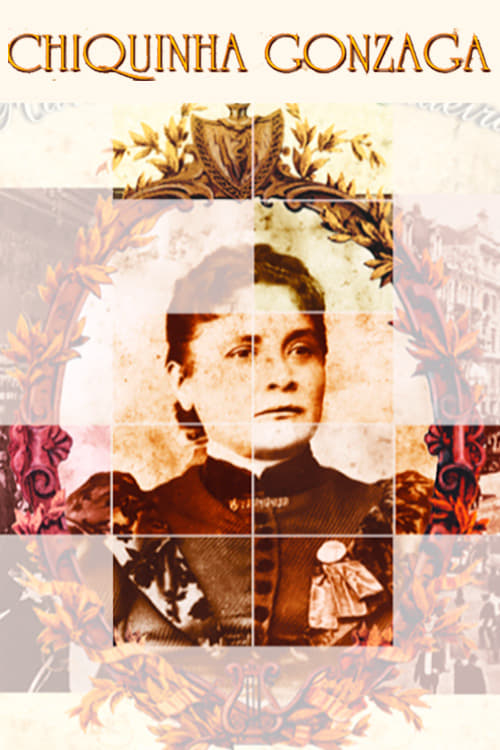
Documentary about the life of one of the greatest composers in the history of Brazilian music. Pianist, composer and conductor, Chiquinha Gonzaga was ahead of her time and revolutionized the customs of a sexist society.
Cliquemusic : Disco : CHIQUINHA GONZAGA - A MAESTRINA
cliquemusic.com.br
1 Demonstration of an original record 2 Abre-alas (Santos Bocot) (Chiquinha Gonzaga) 3 Trigueira (Chiquinha Gonzaga) 4 A partida do tropeiro (Chiquinha Gonzaga, Catullo da Paixão Cearense) 5 Catita (Chiquinha Gonzaga) 6 Tava assim de português (Marques Porto, Chiquinha Gonzaga) 7 Passos no choro (Chiquinha Gonzaga)
CD Chiquinha Gonzaga - A maestrina - ChiquinhaGonzaga.com
chiquinhagonzaga.com
Release from the Revivendo label, which states that Chiquinha Gonzaga's 78 rpm discography still has about 20 recordings awaiting re-release. It is suspected that the piano of Grupo Chiquinha Gonzaga belongs to the composer herself. There are indications that the recording of the song Falena is played by Chiquinha. Repertoire: DISC 01 01 ...
O documentário "A Maestrina Chiquinha Gonzaga" - Jornal GGN
jornalggn.com.br
Presented by actress Carolina Ferraz, it features the participation of the conductor's biographer, Edinha Diniz. Testimonials from pianist Clara Sverner, musician Paulo Moura, actress Rosamaria Murtinho, writer Maria Adeláide Amaral, musicologist Ary Vasconcelos, and actor Mário Lago, among others.
A maestrina, compositora e pianista Chiquinha Gonzaga
catracalivre.com.br
Born on 17th October 1847, Francisca Edwiges Neves Gonzaga, better known as Chiquinha Gonzaga, was the first choro pianist, author of the first known carnival marcha-rancho, and also the first woman to conduct an orchestra in Brazil.