Canções de Apartamento
Cícero
2011

Rankings
Why This Album Matters
Canções de Apartamento, the debut album by Rio de Janeiro-born Cícero, released in 2011, emerged as a fundamental milestone in Brazilian independent music, redefining MPB with touches of indie rock and a lo-fi aesthetic. What made it especially unique was its conception and distribution: recorded entirely autonomously in the artist's apartment and made available for free on his official website. This approach not only democratised access to his work but also established a new paradigm for independent artists in Brazil. The album captivated a generation with its sincerity and intimate sound, transforming the musician's personal experiences into universally shared feelings. Musically, Canções de Apartamento is an introspective journey, permeated by acoustic melodies, sparse arrangements, and a melancholic atmosphere that, paradoxically, proves extremely inviting and engaging. Cícero's work resonates with a bittersweet lyricism, addressing themes of love, saudade, and the complexities of adult life with an honesty that led many to listen to the songs as if they were soundtracks to their own experiences. His ability to combine everyday poetics with a distinct sonic sensibility positioned him as a singular voice in the musical scene of the time, frequently compared to artists like Marcelo Camelo and influential Brazilian indie bands.
Context
Before Canções de Apartamento, Cícero Rosa Lins, then 25 years old and with a law degree, already had a notable musical career as a member of the band Alice, with whom he released two studio albums: Anteluz (2005) and Ruído (2007). The transition to a solo career marked a period of profound personal changes for the artist, including the experience of leaving his parents' home and living alone. It was in this context of confronting the routine of adult life, its contradictions, and newly discovered solitude, that Cícero found the inspiration for the songs that would make up his debut album. He had already accumulated a vast body of original material, composing intensely since the age of 17 and having around 40 unreleased songs before the selection for the album. This period of self-discovery and the need to express intimate experiences culminated in the creation of Canções de Apartamento, a work that, in a way, documents the emotional journey of a young artist on the threshold of a new phase of life.
Recording
The recording of Canções de Apartamento is intrinsic to its identity. The album was entirely conceived and recorded in Cícero's apartment, in a completely independent production process. This choice was not only a matter of autonomy, but also a decision that profoundly shaped the work's sound and aesthetics, lending it a palpable authenticity and intimacy. The album's credits are almost entirely attributed to Cícero Rosa Lins, who assumed the roles of composer, lyricist, and instrumentalist on most tracks. The only exception is the track "Eu não tenho um barco, disse a árvore", which featured the participation of Jorge Júnior in its creation process. The home recording environment contributed to an unpretentious atmosphere, with simple yet surprisingly dense arrangements, which became a hallmark of the album.
Songs
Canções de Apartamento features ten tracks that function as confessional capsules, delving into universal themes such as loneliness, relationships, disappointments, anxieties, and the uncertainties of everyday life. The lyricism is bittersweet and deeply intimate, with Cícero allowing himself to dream and confess his feelings in an accessible way, almost as if singing directly to the listener. Among the standout tracks, "Tempo de Pipa" opens the album with a striking lightness, exploring a carnival march sound with the use of metallophone and accordion. "Açúcar ou Adoçante?", considered one of the album's strongest, uses a sensitive metaphor for the loss of intimacy and is recognised for its well-defined instrumental and impactful chorus. Other songs such as "Vagalumes Cegos", "Ensaio sobre ela", and "Pelo Interfone" also became emblematic, each contributing to the album's melancholic and honest narrative. Cícero's compositions, although modern, bring subtle references to Brazilian music, such as the evocation of Tom Jobim in "Pelo Interfone" and Braguinha in "Laiá Laiá", blending MPB with raw guitars and alternative rock elements.
Legacy
Canções de Apartamento not only marked Cícero's solo debut, but quickly established itself as one of the most emblematic works in Brazilian independent music. The album achieved surprising repercussions: in just three weeks, it registered over 10,000 free downloads, demonstrating the power of word-of-mouth and digital distribution in a pre-consolidated streaming era. Its critical reception was widely positive, being considered by many one of the best national albums of 2011 and featuring on various "best of the year" lists. The album's success was also recognised with two Multishow awards, solidifying Cícero as one of the leading artists of his generation. More than sales or awards, Canções de Apartamento's legacy lies in its cultural impact. It directly engaged with a generation facing insecurities, fears, and loneliness, offering a cathartic effect and a profound sense of identification. The album influenced a number of subsequent artists in the indie and MPB scene, and its relevance is such that, years after its release, it still mobilises commemorative tours, reaffirming its everyday poetics and its ability to resonate with different audiences over time.
Tracks
Podcasts
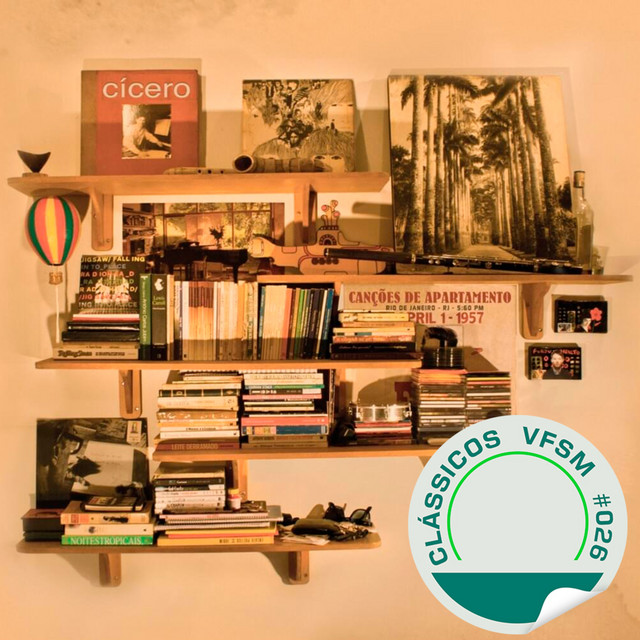
Há dez anos, o músico carioca Cícero lançava sua obra de estreia, "Canções de Apartamento", que como o nome pode indicar, foi concebido dentro das quatro paredes do tal apartamento que o artista morava na época. Dono de uma simplicidade ímpar, o registro logo ganhou o mundo através de Internet. São 10 músicas que falam sobre solidão, relacionamentos, decepções, angústias e incertezas de um modo mu

Faro Novabrasil · Novabrasil
No Faro dessa semana, recebemos o cantor e compositor Cícero Rosa Lins, mais conhecido como Cícero. Em 2003 iniciou seus trabalhos ainda no ensino médio com uma banda de indie rock chamada "Alice". Em 2011 lançou seu primeiro álbum intitulado "Canções de Apartamento", encantando assim o mundo todo com suas letras e melodias. Saiba mais sobre esse artista incrível e curiosidades sobre sua trajetóri
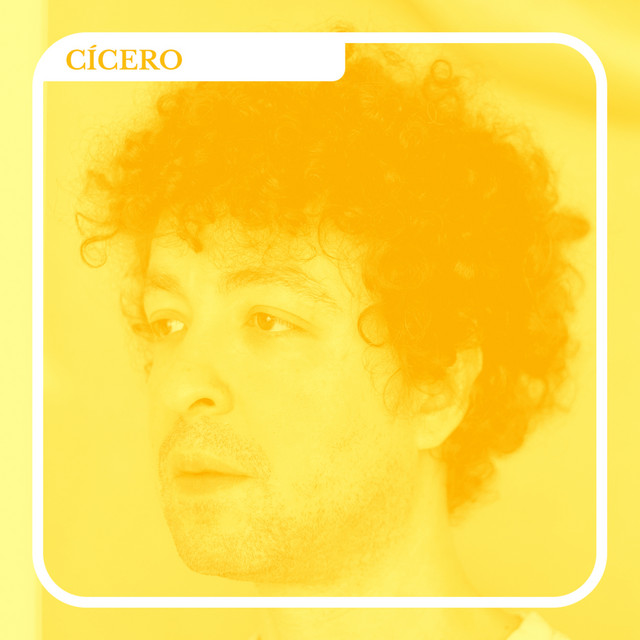
Cícero estreia a oitava temporada do podcast Pós-Jovem em um papo sobre a função social do artista, a condição mental do millennial hoje e os 15 anos de "Canções de Apartamento", seu primeiro álbum, que ganha relançamento em vinil e turnê especial. Newsletter Pós-JovemPós-Jovem nas redes: Instagram
Analyses
Canções de Apartamento – Wikipedia
Wikipedia, the free encyclopaedia
Cícero - Canções de Apartamento (2011) | cenaindie
cenaindie.com
With 'Canções de Apartamento', Cícero, former member of Alice, embarks on a solo path that surprises and enchants. Moving away from the characteristic guitar noises of his previous band, the album presents a more introspective Cícero, accompanied only by his acoustic guitar.
'Canções de Apartamento' completa 15 anos e reafirma a poética do ...
midianinja.org
'Canções de Apartamento', Cícero's debut album, not only marked a generation — it infiltrated daily life, subjectivity, transforming private experiences into shared material.
Crítica | Cícero: "Canções de Apartamento" - Música Instantânea
musicainstantanea.com.br
The poignant invitation that envelops the verses of Açúcar ou Adoçante?, the sixth track of Canções de Apartamento (2011), serves as a clear indication of the bittersweet lyricism that guides the listener's experience throughout the entire duration of Cícero Rosa Lins's first album.
'Canções de Apartamento' completa 15 anos e reafirma a poética do ...
inhai.com.br
'Canções de Apartamento', Cícero's debut album, not only marked a generation — it infiltrated daily life, subjectivity, transforming private experiences into shared material.