Dalva
Dalva de Oliveira
1973

Rankings
Why This Album Matters
The album Dalva, released in 1973, is a posthumous tribute to the immortal Dalva de Oliveira, who passed away in August 1972. This compilation celebrates the powerful voice and interpretative intensity of the woman affectionately known as O Rouxinol do Brasil and Rainha da Voz, reiterating her irreplaceable place in the history of Brazilian music. Through its tracks, the album offers a panorama of Dalva's versatility, masterfully transitioning between the genres of samba-canção, bolero, and other MPB styles. It is essential listening to understand the breadth of her artistry and the emotional depth she imparted to each song, characteristics that established her as one of the most important singers in the country.
Context
Dalva de Oliveira, Vicentina de Paula Oliveira, concluded her brilliant career on 30 August 1972, at the age of 55. Shortly after her passing, the release of this album in 1973 served as an immediate and poignant tribute to her memory. The artist had been a central figure in the radio era, crowned Rainha do Rádio in 1951, consolidating a career that profoundly marked Brazilian musical culture for decades.
Recording
The 1973 album Dalva, being a compilation, brings together original recordings from different moments of the singer's career. For this posthumous edition, the musical direction, arrangements, and conducting were undertaken by Maestro Gaya, while production was credited to Hermínio Bello de Carvalho. The 1973 LP edition, moreover, featured a gatefold sleeve with eight pages of photographs, enriching the experience of delving into the artist's work.
Songs
The track selection on the album Dalva is a true parade of classics that Dalva de Oliveira immortalised with her singular voice. Songs such as "Ave-Maria No Morro", "Olhos Verdes", "A Grande Verdade", and "Tudo Acabado" are examples of the depth and drama she was capable of conveying. The album also includes hits like "Estrela do Mar", "Pastorinhas", "Rancho da Praça Onze", and "Bandeira Branca", highlighting Dalva's versatility in interpreting everything from vibrant sambas to emotive boleros and timeless popular songs, underlining her ability to connect with different nuances of human emotion.
Legacy
The reception of Dalva, as a posthumous album, was crucial for solidifying and perpetuating the memory of Dalva de Oliveira in the pantheon of Brazilian music. It served to reaffirm her status as one of Brazil's most important singers, a reference for the generations that succeeded her. Her influence and the recognition of her talent are evidenced by numerous posthumous tributes, including samba school themes and commemorative events that celebrated her birth centenary. This album, in particular, contributed to keeping her work alive, allowing new generations to discover the strength and expressiveness of her interpretation, consolidating Dalva de Oliveira's indelible impact on Brazil's musical culture.
Tracks
Credits
Lindolfo Gaya
Hermínio Bello De Carvalho
Videos
POR QUE UMA GRANDE CANTORA DO RÁDIO/TV DE SUCESSO PAROU HÁ MAIS DE 50 ANOS? CONHEÇA DALVA DE ANDRADE
Rodrigo Faour Oficial
Books
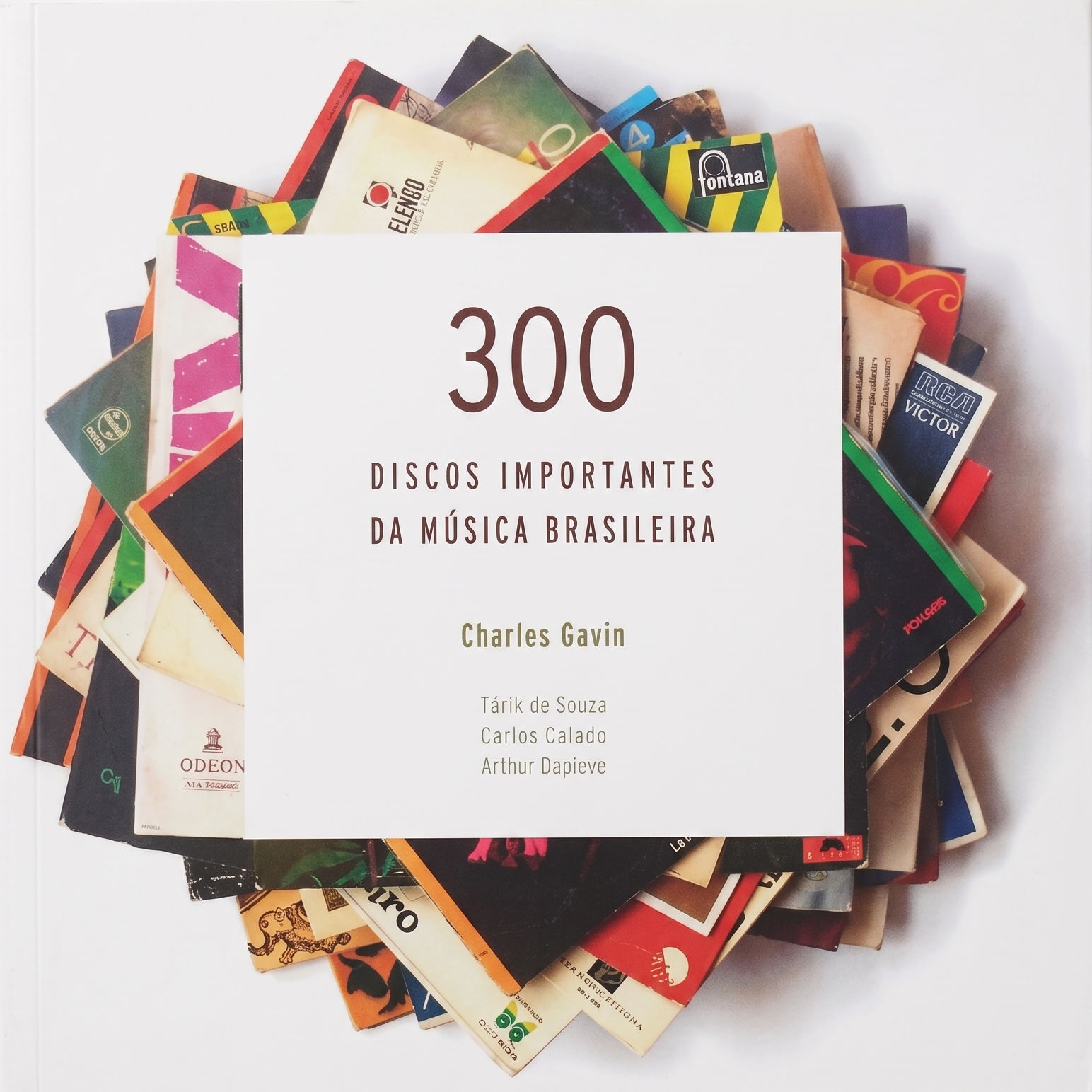
300 Discos Importantes da Música Brasileira
Charles Gavin, Tárik de Souza, Carlos Calado, Arthur Dapieve · 2008
Conceived by Titãs drummer and musical researcher Charles Gavin, the 434-page book brings together covers and reviews of albums released between 1929 and 2007. The texts were written by journalists Tárik de Souza, Arthur Dapieve and Carlos Calado.
A estrela Dalva
João Elísio Fonseca · 1987
This is a comprehensive biography of Dalva de Oliveira, one of Brazil's most iconic singers during the Golden Age of Radio. The book narrates her life, career, major successes, personal struggles and her significant impact on Brazilian popular music. For the posthumous album "Dalva", released a year after her death, a detailed biography like this offers the essential context for her art and legacy, helping to understand the artist's trajectory behind the recordings.