A Voz, o Violão, a Música de Djavan
Djavan
1976

Rankings
Why This Album Matters
Released in 1976, "A Voz, o Violão, a Música de Djavan" marks the phonographic debut of one of the most acclaimed and original Brazilian artists. This debut album not only introduced Djavan to the wider public, but also immediately revealed his unmistakable musical signature. With a sound that already blended samba, baião, jazz, and Afro-Brazilian influences, the album stood out for its melodic sophistication and innovative arrangements, differentiating itself from what was being produced in MPB at the time. The album is a true compendium of marvellous melodies, where the musicality of the lyrics and Djavan's intelligent guitar playing intertwine with a rich rhythmic interplay between voice and instrument. It is in this work that instant classics such as "Flor de Lis" and "Fato Consumado" emerge, songs that not only became great successes but also demonstrated the profound talent of the singer and songwriter to create works of singular beauty and universal appeal.
Context
Before recording his first album, Djavan Caetano Viana, born in Maceió in 1949, followed a challenging path. He arrived in Rio de Janeiro in 1973, aged 23, determined to establish himself on the music scene, initially working as a crooner in renowned nightclubs such as Number One and 706. His voice began to gain recognition when he recorded soundtracks for Rede Globo soap operas, such as "Alegre Menina" from the soap opera Gabriela (1975), which made him known even before his image was broadcast. The turning point came in 1975, when he won second place at Rede Globo's "Festival Abertura" with his original song "Fato Consumado". This recognition was crucial and opened doors for the recording of his first LP by Som Livre.
Recording
The album "A Voz, o Violão, a Música de Djavan" was recorded at the EMI-Odeon studio, in the Botafogo neighbourhood, Rio de Janeiro. Executive production was handled by Aloysio de Oliveira, a mythical figure in Brazilian music, known for having produced great names such as Carmen Miranda and Tom Jobim. The band that accompanied Djavan was composed of talented musicians, many of them members of Elis Regina's band, which ensured a high level of instrumental execution. Altamiro Carrilho contributed with his flute and piccolo, Edson on keyboards, Helinho on guitar, and Luizão on bass. The arrangements were signed by Edson Frederico, while the rhythmic section featured Paulinho on drums, Ariovaldo Contesini Paulinho on percussion, and Luna, Hermes, and Armando Marçal also on percussion. Sergio Seabra was responsible for mastering, and Victor for mixing.
Songs
All twelve tracks of "A Voz, o Violão, a Música de Djavan" are original compositions, demonstrating the artist's early maturity and prolific creative vein. The album is a prime example of acoustic samba, permeated by jazzy arrangements and moments of subtle funk, resulting in captivating melodies and an engaging groove. Highlights include the melancholic and hopeful "Flor de Lis", the vibrant samba of "Na Boca do Beco", the jaw-dropping "Pára-raio", the autobiographical "E Que Deus Ajude" and the highly sophisticated "Magia", with its Afro-jazzy touch, all of which reveal Djavan's breadth and originality. The lyrics and musical sonority intelligently explore the fusion of samba and baião, highlighting 'musicality' as the artist's main focus, regardless of the literal comprehension of the lyrics.
Legacy
The critical reception for "A Voz, o Violão, a Música de Djavan" was largely positive, immediately establishing him as one of the prominent composers and singers in Brazilian music. Alvaro Neder, in his review for Allmusic, awarded the album 4.5 out of 5 stars, praising the "marvellous melodies", the "musical sonority" and the "rich rhythmic interplay between voice and guitar". The record is considered a landmark in Brazilian music of the post-bossa nova period. The album's success solidified Djavan's career, leading him to sign a contract with EMI-Odeon for his subsequent works. The longevity and importance of "A Voz, o Violão, a Música de Djavan" are attested by its numerous re-issues over the years, including a special CD edition in 1991, titled "Flor de Lis", to promote his international career, and another remastered edition in 2001. In 2011, the album was re-released on 180g vinyl with its original cover, reaffirming its status as a masterpiece and its enduring influence on MPB.
Tracks
Credits
Edson Frederico
Aloysio De Oliveira
Guto Graça Mello
Djavan
Luizão
Paulinho Braga
Hélio Delmiro
Altamiro Carrilho
Edson Frederico
Hermes Contesini, Luna, Nilton Delfino Marçal
Joel Cocchiararo
Cesar G. Villela
Francisco Pereira
Podcasts

Adega Musical · Andre Valdez
É FATO CONSUMADO: TOCAREI SEU NOME PRA PODER FALAR DE AMOR À MÚSICA POPULAR BRASILEIRAE quis o destino que os estádios de futebol perdessem um promissor meio-campista, mas fizesse com que a música brasileira fosse contemplada com um dos mais talentosos e singulares artistas desta nação.Depois de deixar o Norte do país em busca de uma oportunidade para mostrar sua arte ao país, depois de vagar pelo
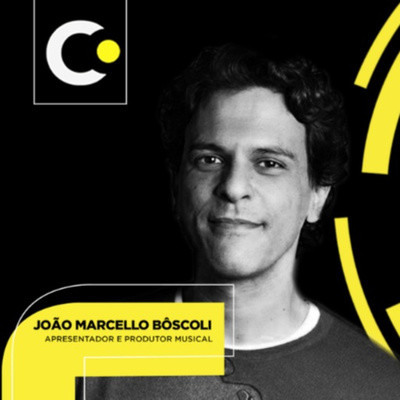
Contraponto com João Marcello Bôscoli · Contraponto
O Contraponto abre esta edição com “A voz, o violão, a música de Djavan” (1976), um disco de samba sacudido, sincopado e diferente; o álbum conta com a produção de Aloysio de Oliveira, também conhecido pela parceria com artistas como Carmen Miranda e Tom Jobim. Este trabalho não marca apenas a estreia de Djavan, torna-o figura incontornável na história da música brasileira. Acompanhe este e outro
Films

Books
Analyses
A Voz, o Violão, a Música de Djavan – Wikipedia
Wikipedia, the free encyclopaedia
Primeiro álbum de Djavan faz 50 anos como retrato perene, mas ... - G1
g1.globo.com
The tour title alludes to the 50th anniversary of the artist's first album release, "A Voz • O Violão • A Música de Djavan", launched by the Som Livre label in 1976 and propelled by the success of the samba "Flor de Lis" across Brazil.
Álbum A Voz • O Violão • A Música de Djavan — Djavan
djavan.com.br
Accompanied by illustrious musicians, many of them members of Elis Regina's band, the greatest singer of her time, the result could only be one thing: an album that is a true masterpiece and the beginning of a new and original artist's career.

Blog do Brenno: Analisando Discografias - Djavan: Parte 1
obrenno.blogspot.com
The production highlights the combination of Djavan's smooth voice with his guitar, creating an intimate atmosphere that enhances the compositions, from Samba, Folk, and even Bossa Nova.
Primeiro álbum de Djavan completa 50 anos e revela o início de uma obra ...
gtnoticias.com.br
The debut album, "A Voz • O Violão • A Música de Djavan", released by Som Livre, now reaches its 50th anniversary as a fundamental milestone — but also as a partial portrait of an artist who, from the outset, already transcended the labels imposed by the music industry.