Djavan
Djavan
1989
Rankings
Why This Album Matters
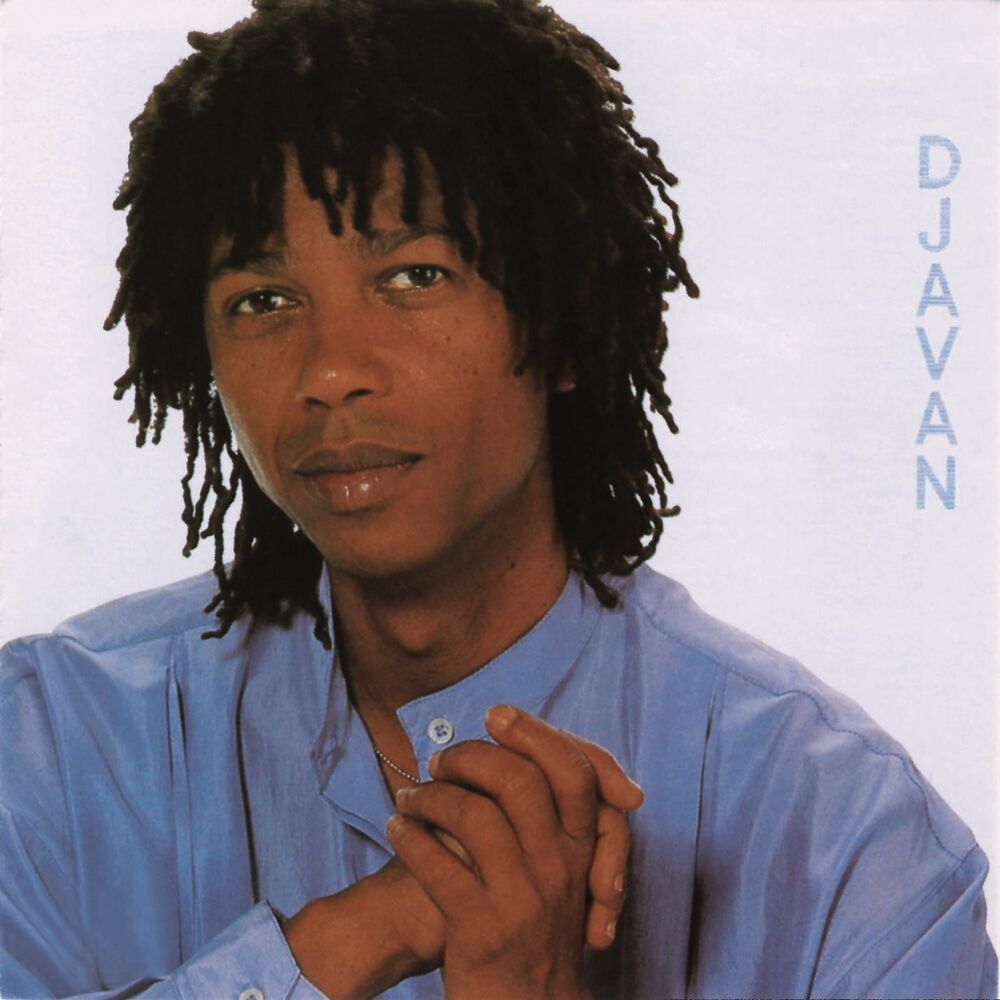
Djavan's ninth studio album, popularly known as Oceano, is considered one of the high points in the artist's discography, consolidating his unique style in Brazilian music. Although the title track achieved enormous success and became a landmark, the album is praised for the consistency and quality of its entire collection of songs, revealing Djavan's compositional mastery in its fullness. With a rich and multifaceted sound, the album traverses ballads with Spanish influences, such as the emblematic "Oceano", to forays into samba and funk, without losing the singer's unique identity. The lyrics, in turn, address themes ranging from love to social issues, with the characteristic depth and poetry of his work.
Recording
The album Djavan was recorded entirely in Brazil, a fact that highlights the authenticity of its production. Mazzola was responsible for the album's production, while all tracks were produced by Djavan and Ronnie Foster.
Songs
The title track, "Oceano", stands out as the album's biggest hit, driven by a strong Spanish atmosphere evidenced by the flamenco guitarist Paco de Lucía's solo. Other highly impactful songs include "Vida Real (Dejame Ir)", "Cigano", and "Mal de Mim". In "Curumim", Djavan explores indigenous themes, staging a dialogue between two indigenous people, performed with his daughter, Flavia Virginia. The composition of "Corisco" is a partnership with Gilberto Gil, while "Vida Real" was co-written with Arturo Castro, and "Você Bem Sabe" features Nelson Motta, with the latter described as a modern choro with sections in English. The album also features the samba "Avião" and romantic ballads such as "Mal de mim" and "Mil vezes".
Legacy
Djavan received extremely positive reviews, being rated 4.5 out of 5 stars by Alvaro Neder of AllMusic, who highlighted "Oceano" as the biggest hit and praised "Curumim" as "a beautiful reggae". Mauro Ferreira of Notas Musicais awarded 3.5 out of 5 stars, stating that the album "reinstated the artist on the charts on the back of the blockbuster ballad 'Oceano'". The album's popularity was also boosted by the inclusion of three of its songs in TV Globo telenovela soundtracks between 1989 and 1991: "Oceano" as Lucas's theme in "Top Model", "Cigano" as Renato's theme in "Rainha da Sucata", and "Vida Real (Dejame Ir)" as Ana's theme in "Barriga de Aluguel".
Tracks
Credits
Luiz Avellar
Djavan
Mazzola
Flávia Virgínia
Mauro Senise, Paulo Moura
Jaques Morelenbaum
Arthur Maia, João Baptista, Luizão Maia, Sizão Machado
Cláudio Infante, Paulinho Braga, Teo Lima
José Carlos Machado Ramos
Celso Fonseca
Larry Williams, Luiz Avellar, Paulo Calasans
Armando Marçal, Geraldo Bongô
Luiz Avellar
Luiz Avellar
Djavan, Luiz Quinha, Paulinho De Pilares
Serginho Do Trombone
Bidinho, Marcio Montarroyos
Eduardo Costa
Antonio Foguete
Julio Lapenne
Claus Meyer
Podcasts
Ouvindo Estrelas · Marco Mazzola
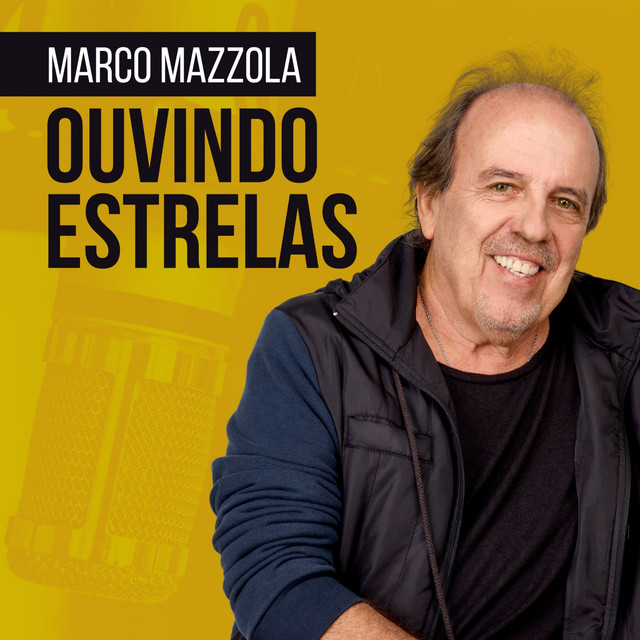
Djavan – Oceano: Histórias e Bastidores de um Clássico da Música BrasileiraO álbum “Oceano”, lançado por Djavan em 1989, não foi apenas um sucesso comercial. Foi um divisor de águas na música popular brasileira. Neste episódio especial do canal Ouvindo Estrelas, eu, Marco Mazzola — produtor musical e diretor artístico do projeto — conto pela primeira vez os bastidores reais da criação, gravação e
Ouvindo Estrelas · Marco Mazzola
Djavan – Oceano: Histórias e Bastidores de um Clássico da Música BrasileiraO álbum “Oceano”, lançado por Djavan em 1989, não foi apenas um sucesso comercial.Foi um divisor de águas na música popular brasileira.Neste episódio especial do canal Ouvindo Estrelas, eu, Marco Mazzola — produtor musical e diretor artístico do projeto — conto pela primeira vez os bastidores reais da criação, gravação e co
Films

Analyses
Djavan – Wikipedia
Wikipedia, the free encyclopaedia

Blog do Brenno: Analisando Discografias - Djavan: Parte 3
obrenno.blogspot.com
Produced once again by Djavan himself, the sound became more refined, attempting to recapture the success achieved with the cadence of his 1989 album, bringing influences of Sophisti-Pop, Samba-Jazz and, obviously, MPB.

Bruno Leal: Homenagem musical: Djavan - Djavan (Oceano) (1989) - Blogger
blogbleal.blogspot.com
When Djavan seemed to have settled his style, he decided to compose this untitled album known as Oceano, or simply Djavan (1989). Although it is an essentially mixed album, it is not prone to the uncertainties of arrangement and atmosphere from the Seduzir-Luz-Lilás phase.
Álbum Djavan (Oceano) — Djavan
djavan.com.br
The 1989 album has no title, other than the author's own name. However, the work eventually became known as: 'the one with 'Oceano''. Not that the rest of the songs are unimportant. Quite the contrary.