Sorriso Negro
Dona Ivone Lara
1981
Rankings
Why This Album Matters
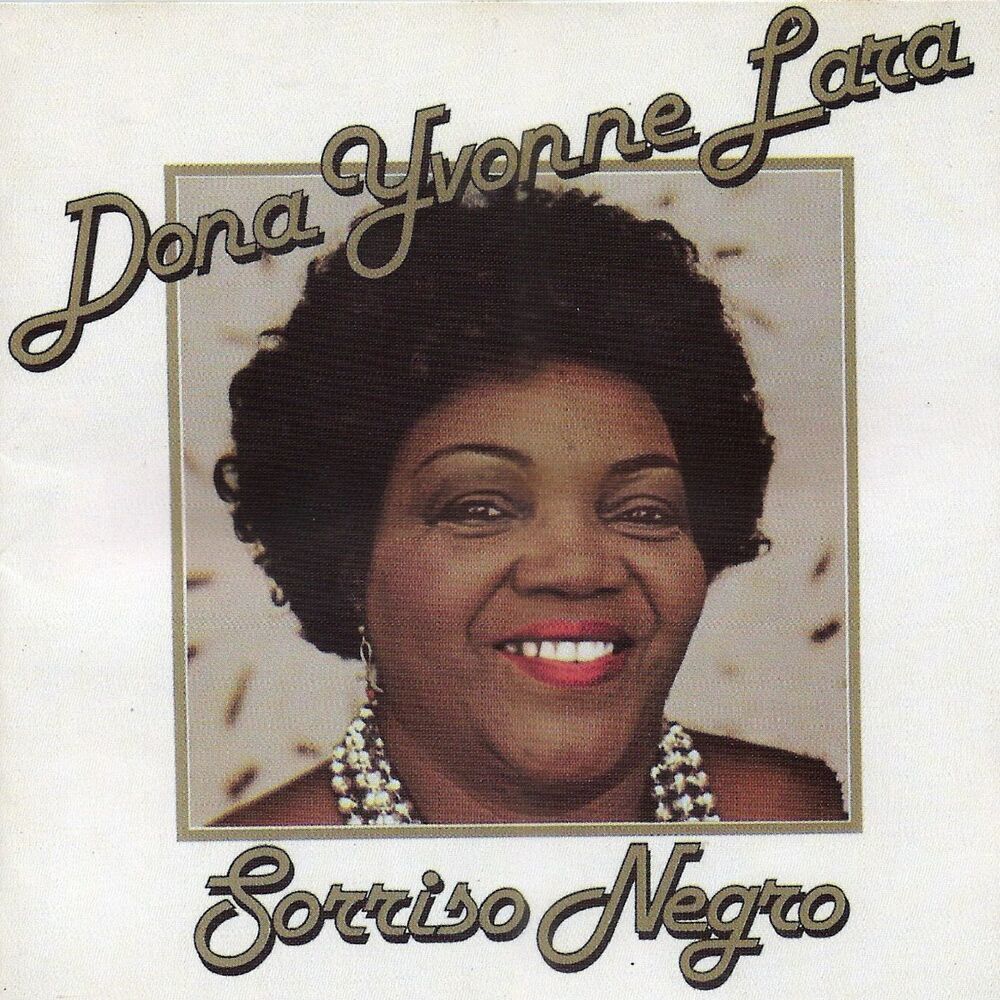
Sorriso Negro, released in 1981, is a watershed album in Dona Ivone Lara's career and a fundamental landmark in Brazilian music, solidifying the artist as one of samba's greatest references. This work transcends the musical aspect, celebrating Black culture and its profound influence on society, standing out for its message of strength and resilience. The album belongs to the samba genre, with a notable influence from African culture, evoking dance circles with percussion. The eponymous composition, "Sorriso Negro", is an anthem that marks the appreciation of Black existence in an assertive way, expressing that "Negro is a colour of respect, negro is inspiration" and "Negro is the root of freedom". With a cover featuring the singer's face in close-up, with an open, liberated smile, the album reaffirms the dignity and beauty of Black identity, becoming a timeless reference in Brazilian art.
Context
Dona Ivone Lara, a nurse and social worker by profession, dedicated herself more prominently to her artistic career after her retirement, at the age of 56. Her trajectory was pioneering, as she was the first woman to compose an official samba-enredo, "Os cinco bailes do Rio de Janeiro", in partnership with Oliveira and Bacalhau, in 1965, challenging the predominantly masculine environment of samba. "Sorriso Negro" was her third solo album and arrived during a period of political liberalisation in Brazil, when the Black movement was gaining strength, and Dona Ivone Lara's work aligned with this growth in the voice of Black people.
Recording
The album Sorriso Negro was recorded with musical production by Sérgio Cabral (father), and featured arrangements and conducting by Rosinha de Valença and Hélvius Vilela. The record included special appearances by acclaimed artists such as Jorge Ben Jor and Maria Bethânia, further enriching the sounds and interpretations.
Songs
The repertoire of Sorriso Negro is predominantly authorial, although many of the compositions are collaborations, with Dona Ivone Lara frequently responsible for the melodies. The title track, "Sorriso Negro", composed by Adilson Barbado, Jorge Portela, and Jair do Cavaco, is the heart of the album, addressing the strength and resilience of the Black population and the direct link between the Black struggle for abolition and civil rights and freedom. The record includes a re-recording of her emblematic samba-enredo "Os cinco bailes da história do Rio". Other songs such as "Unhas" and "Nunca Mais" reveal a bittersweet facet in their lyrics, creating sambas of great emotional depth.
Legacy
Sorriso Negro is considered one of the most important samba albums ever recorded, with Mila Burns, in her book about the record, emphasising its relevance to the anti-racist struggle in Brazil. Even without having assumed explicit activism, Dona Ivone Lara's work and her own trajectory challenged society regarding the dynamics of exclusion of women and Black people, characterising a "resistance through existence". The album became a soundtrack for Brazilian feminist and Black movements, and its message of valuing Blackness and the pursuit of freedom resonates through generations, influencing new Black female artists who find in Dona Ivone Lara a precursor and an example of overcoming in a musical scene historically dominated by men.
Tracks
Podcasts
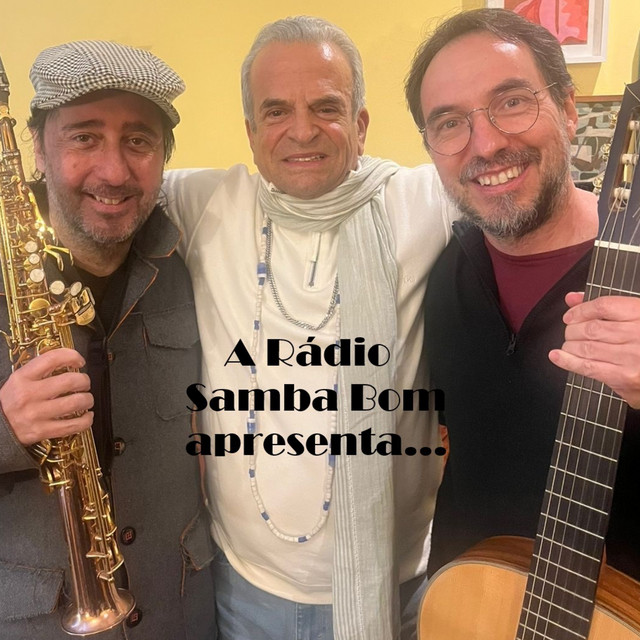
A Rádio Samba Bom Apresenta… · Paulo César Oliveira Corrêa de Brito
O podcast da Rádio Samba Bom apresenta vem celebrar, homenagear, memorizar em sua crônica quinzenal, o samba “Sorriso negro”, uma obra-prima, das mais conhecidas do repertório da intérprete e compositora carioca dona Yvone Lara (1921-2018), lançado por ela, acompanhada por Jorge Ben Jor, no LP “Sorriso negro”, em 1981, selo WEA.A interpretação magistral, que tinha a maneira dela e um dizer a letra

Acorde - Música e Psicanálise · Rafael Garbuio e Ricardo Pezati
Sexagésimo episódio do podcast Acorde - Música e Psicanalise. Vamos falar da obra Tendência de autoria de Dona Ivone Lara e Jorge Aragão Esta música foi lançada em 1981 no álbum Sorriso Negro de Dona Ivone LaraPara esta conversa recebemos nossa convidada Nina Saroldi que é mestre em filosofia, Doutora em Teoria Psicanalítica com pós doutorado em sociologia da cultura. Professora e diretora na Un
Books
Os 500 Maiores Álbuns Brasileiros de Todos os Tempos
Ricardo Alexandre · 2022
The largest Brazilian music election ever conducted: 162 specialists, spanning journalists, critics, musicians, producers and podcasters, each nominated 50 essential albums, supported by a masterlist of more than 2,000 works. Led by Ricardo Alexandre with tabulation by Sérgio Jomori, it was published in December 2022 as a 200-page hardcover book with graphic design by Fernando Pires.
Dona Ivone Lara's Sorriso Negro
Mila Burns · 2019
More than simply a paradigm of Brazilian samba, Dona Ivone Lara's Sorriso Negro (1981) is an album deeply rooted in the political and social tensions of its era. Released less than two years after the Brazilian military dictatorship approved the Amnesty Law, this book explores the album's context and impact.
Dona Ivone Lara
Zélia Duncan · 2007
This biography of the iconic sambista Dona Ivone Lara, written by singer Zélia Duncan, explores the artist's life and work, focusing on her fundamental contribution to samba and Brazilian music. Covering her musical career, the book certainly dedicates attention to key albums such as 'Sorriso Negro'.

Dona Ivone Lara: Sorriso negro - Editora Cobogó
In 1981, Dona Ivone Lara released her third solo album, Sorriso Negro, which represented a major turning point in her career. With production and artistic direction from journalist Sérgio Cabral and arrangements and ...
Analyses
Resistencia Pela Existencia Dona Ivone L
pt.scribd.com
The article analyses the work of Dona Ivone Lara, especially the album 'Sorriso Negro', as a symbol of resistance and activism in the final years of the Brazilian dictatorship.
Álbum lançado por Dona Ivone Lara em 1981, 'Sorriso negro' é ... - G1
g1.globo.com
Recorded with musical production by Sérgio Cabral and released in 1981, 40 years ago, the album Sorriso Negro was released when Brazil was already experiencing the winds of political openness...
Mila Burns analisa a vida e obra de Dona Ivone Lara - Rascunho
rascunho.com.br
In the work, which is part of 'O livro do disco' collection, the journalist and researcher analyses the album Sorriso Negro (1981) and reflects on the changes occurring in Brazil at the time.
O eterno Sorriso Negro - Quatro cinco um
quatrocincoum.com.br
With the "Axé de Ianga" and much struggle, social movements have placed feminist demands on the agenda and confronted the myth of racial democracy that masked the dynamics of exclusion and privilege in this country. Dona Ivone Lara's legacy has never been as political as it is today.
O sorriso negro de dona Ivone Lara, por Luis Nassif
jornalggn.com.br
I did not consider myself an intruder, entering that atmosphere. For a long time, in our circles, Dona Ivone's 'Sorriso Negro' was more than an ode to Black people, but a celebration of 'Raça Brasil', the dream that there was a time when we created a multicoloured, affectionate national peace around samba.