Caymmi
Dorival Caymmi
1972
Rankings
Why This Album Matters
The album Caymmi, released by Dorival Caymmi in 1972, stands out in his extensive discography as a work that deeply explores and reveres the Afro-Brazilian roots of Bahia. Departing from his more habitual folk style, the record is notable for being "infused with Afro-Cuban (or at least Yoruba) oba drums", paying "homage to the traditions of Bahian candomblé". This approach lends the work an "unusual" and "challenging" sound, combining Caymmi's distinctive voice with rich arrangements and a mystical theme that celebrates African-rooted culture and religions. It is a record that demonstrates the versatility and artistic depth of one of the greatest Brazilian composers, who constantly sought inspiration for his creations in his homeland.
Context
By the 1970s, Dorival Caymmi was already an established figure in Brazilian music, known for his songs portraying the sea, fishermen, and Bahia, elements that had become his hallmark since the beginning of his career in the 1930s and 1940s. His work, though not voluminous, was recognised for its "exceptional quality" and "perfect songs". During this period, MPB was experiencing a ferment, with various artists exploring new sounds and approaches. The 1972 album can be seen as Caymmi's even deeper dive into his origins, reaffirming his cultural identity and the richness of Bahia at a time of musical transformations in Brazil. The influence of Jorge Amado, who wrote the album's back cover text and co-authored one of the compositions, reinforces the record's connection to the Bahian cultural universe.
Recording
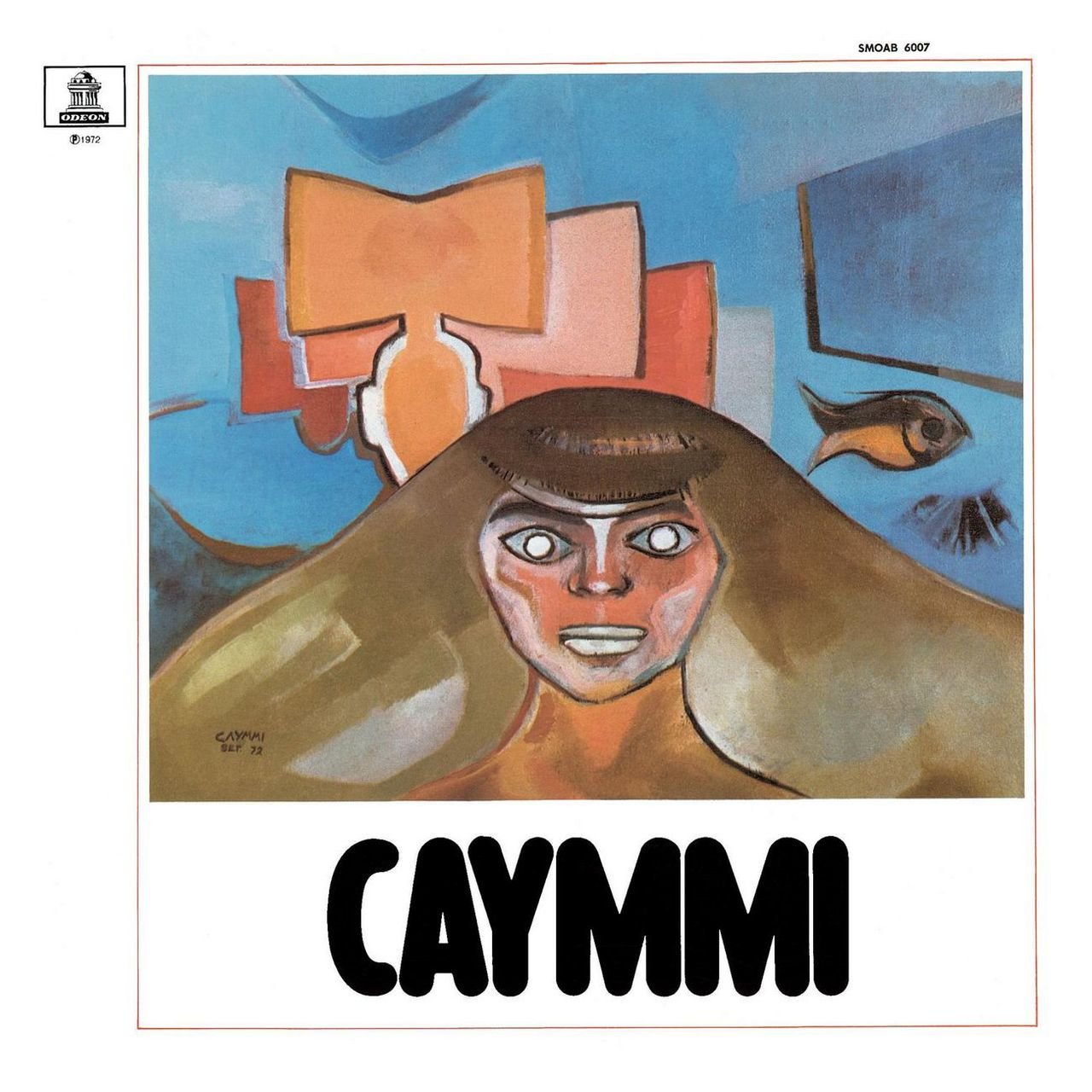
The album Caymmi (1972) was recorded by the Odeon label, with Milton Miranda as production director. Musical direction, orchestration, arrangements, and conducting were handled by Maestro Lindolfo Gaya, whose "orchestral touch" contributed to the record's "very well-produced" sound. Recording engineering work was carried out by Nivaldo Duarte, while Willy Moreira acted as laboratory technician and Jorge Teixeira handled remixing. Dorival Caymmi himself is credited for the painting reproduced on the album cover. The record was later re-released in the box set "Caymmi amor e mar", which compiled most of the artist's career LPs.
Songs
The thirteen tracks on the 1972 album Caymmi are predominantly compositions by Dorival Caymmi himself, with a notable partnership with Jorge Amado on the song "Canto do Obá". The repertoire includes reinterpretations of songs already known to the public, such as "Promessa de Pescador", and others that became classics of his work and of Brazilian music, such as "Oração de Mãe Menininha", "Rainha do Mar", and "Itapoã". The lyrics explore themes such as Afro-Brazilian religiosity, life at sea, Bahian culture, and 'saudade', distinctive characteristics of Caymmi's poetry. The album's sound, with Lindolfo Gaya's orchestral arrangements and the presence of "terreiro drums", lends the songs a mystical and ritualistic dimension, a distinguishing feature in his discography.
Legacy
Although specific details regarding sales and chart positions for the 1972 album Caymmi are less documented, Dorival Caymmi's work as a whole is recognised for its immense influence on MPB, paving the way for artists such as Tom Jobim, João Gilberto, Caetano Veloso, Gilberto Gil, and Chico Buarque. Caetano Veloso himself has stated that, although he wrote more songs, Caymmi possesses 70 "perfect songs". Caymmi's economical and poetic style, which "transformed the sea into music and Bahia into our national identity", profoundly influenced bossa nova and subsequent generations. The 1972 album, with its exploration of candomblé roots, was an example of Caymmi's constant search for authentic sounds, an aspect that resonates in the work of artists who incorporated candomblé rhythms into their music, such as Virginia Rodrigues decades later. The record is considered a "masterpiece of original Brazilian music" for its precision in recording Caymmi's deep voice, his guitar, and the terreiro drums.
Tracks
Credits
Lindolfo Gaya
Milton Miranda
Dorival Caymmi
Willy Paiva Moreira
Jorge Teixeira
Nivaldo Duarte
Z. J. Merky
Jorge Amado
Podcasts
Discoteca Básica Podcast · Parasol Storytelling
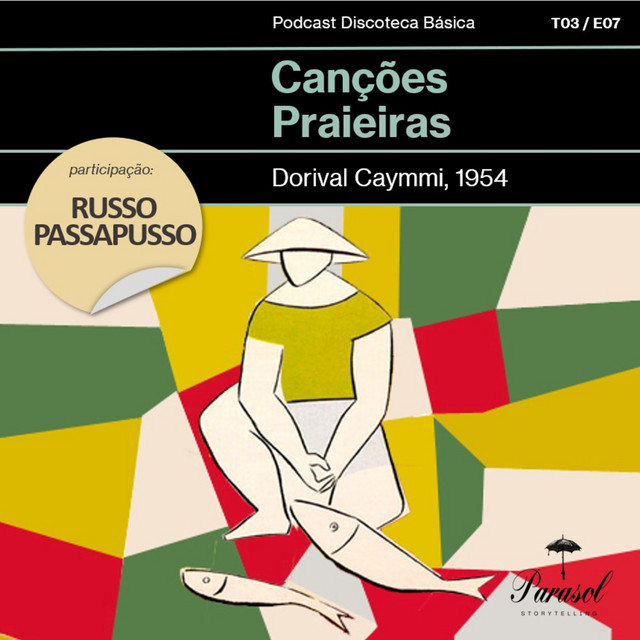
O PRIMEIRO ÁLBUM DO CANTOR DOS MARES. Nos anos 50, quando o LP ainda dava os seus primeiros passos como formato de música gravada, Dorival Caymmi reuniu suas particulares canções praieiras, que misturavam a música brasileira folclórica com a música comercial. Convidado do episódio: Russo Passapusso (BaianaSystem) Assinantes do CLUBE DISCOTECA BÁSICA têm acesso a conteúdo extra. Saiba como assinar

CBN Entrevistas · CBN
No dia em que se completaram 112 anos do nascimento de Dorival Caymmi, chegou às plataformas digitais o álbum "Caymmi", novo trabalho da cantora e compositora Alice Caymmi. O disco propõe uma releitura da obra do avô, com novas sonoridades e influências da música latino-americana. Em entrevista ao Show da Notícia, a artista contou que a ideia de gravar um álbum dedicado ao repertório de Dorival se

Que História! · BBC Brasil
Obras como 'Dona Flor e seus dois maridos', em que autor baiano celebrava 'alegria de viver', abriram 'novo mundo' para leitores de país comunista.
Videos
"Nana": A estreia de Nana Caymmi | Disco | Alta Fidelidade
Alta Fidelidade
Films

Dorival Caymmi - Um Homem de Afetos
2024
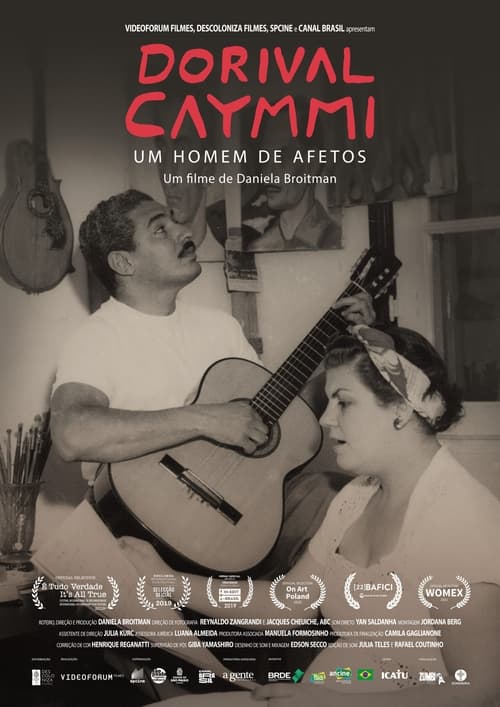
An irresistible journey through the universe of the singer and composer that revolutionized the song in Brazil and influenced generations of musicians, paving the way for movements such as Bossa Nova and Tropicália.

Nas Ondas de Dorival Caymmi
2024
The film reveals the creation of poet Dorival Caymmi's musical works with testimonies from researchers, journalists and friends who lived with him and were able to enjoy his wisdom and talent.
Um Certo Dorival Caymmi
2002
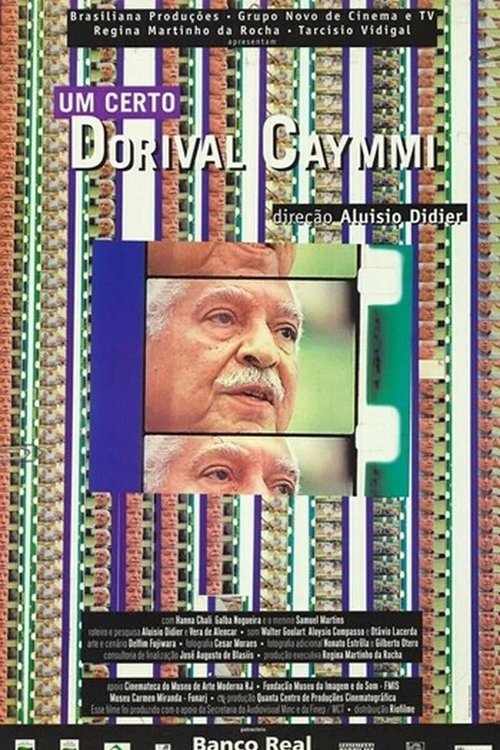
The life and work of the Bahian composer, from his arrival in Rio de Janeiro to his involvement with other forms of artistic expression such as cinema and painting.

Dorival Caymmi: Programa Ensaio
1972
The TV Cultura programme Ensaio, recorded in 1972, welcomes Dorival Caymmi for the MPB Especial segment. The composer opens the show with his own compositions, such as "Francisca Santos das Flores", "Itapoã", "A Jangada Voltou Só", "Dois de Fevereiro", "Promessa de Pescador" and "Coqueiro de Itapoã". Following the musical opening, Caymmi talks about Salvador and his childhood. He speaks poetically about the discovery of friendship and Zezinho, his first friend and a great influence on his involvement with music. And, like a good storyteller, he gradually reveals the plot of a ballet for which he composed songs. Created with vocals and percussion for a Russian company travelling through Brazil, the acts were broken down into songs that became well-known, such as "Canção da Noiva".
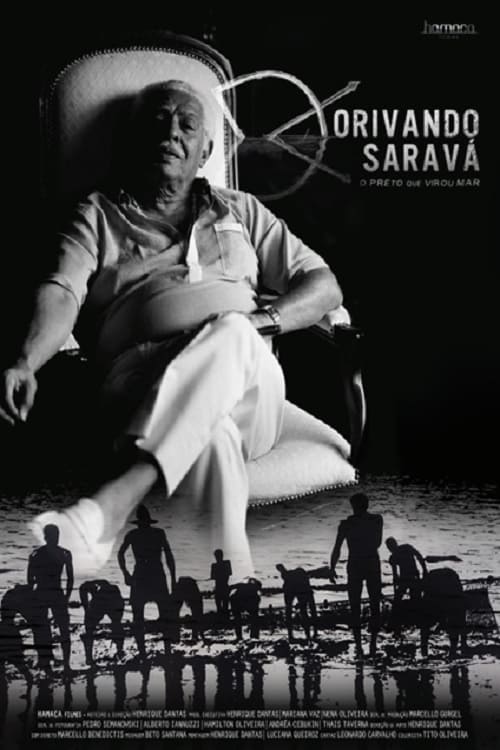
Dorivando Saravá, o Preto Que Virou Mar
2019
Singer, composer, actor and painter, Dorival Caymmi was a multiple artist, but what they may not know is his pioneering work in introducing candomblé into Brazilian popular music. Recreating in a poetic way concepts present in Caymmi's work and life, the documentary revelation of the artist from his own lines, mined in old magazines.
Books
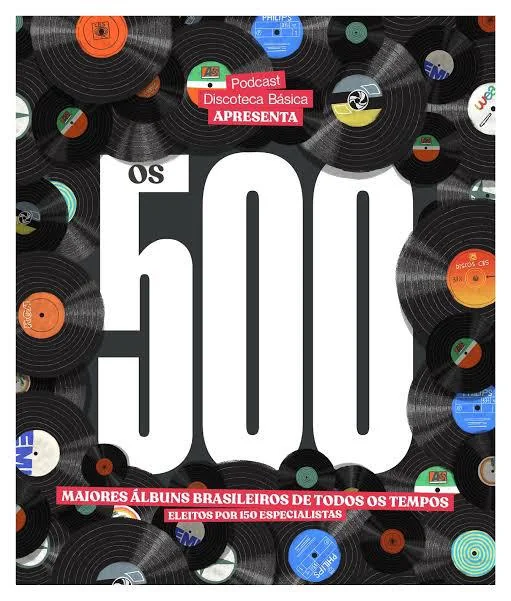
Os 500 Maiores Álbuns Brasileiros de Todos os Tempos
Ricardo Alexandre · 2022
The largest Brazilian music election ever conducted: 162 specialists, spanning journalists, critics, musicians, producers and podcasters, each nominated 50 essential albums, supported by a masterlist of more than 2,000 works. Led by Ricardo Alexandre with tabulation by Sérgio Jomori, it was published in December 2022 as a 200-page hardcover book with graphic design by Fernando Pires.
Caymmi e a bossa nova
Stella Caymmi · 2008
An in-depth analysis of Dorival Caymmi's work and its fundamental connection with the bossa nova movement. The author explores Caymmi's poetics, its reception, and its place in the Brazilian musical tradition, offering an original perspective on the composer's genius and the evolution of his musical language.

Dorival Caymmi: o mar e o tempo
Stella Caymmi · 2001
Considered the definitive biography of Dorival Caymmi, written by his granddaughter Stella Caymmi, it offers an intimate and comprehensive overview of the composer's life and work, with details about his musical and personal trajectory. It is an essential work for understanding the depth of his production and the relevance of his albums over the years.
Analyses
Caymmi - by Ludmila Primo - Meus Discos, Meus Livros
meusdiscosmeuslivros.substack.com
All of Dorival Caymmi's songs sing of Bahia. It's a rhythm that follows the sway of the hammock, the ebb and flow of the waves, the sweet sound of dendê oil crackling in the pan, the sun slowly descending to gild the city and its people. It's all enchantment, sound, and taste.
Dorival Caymmi - Caymmi (1972) - musicasdonordeste.net
musicasdonordeste.net
"Caymmi" (1972) vibrantly returned to Bahian themes, in an already post-Tropicalismo environment and anchored by characters that seemed to leap directly from the streets of Salvador (or the pages of Amado) into MPB.

Dorival Caymmi - Caymmi (1972)
budanagodiscos.blogspot.com
If Gilberto Gil has already sung that man is the "son of the royal house of inspiration", what more can be said? There lies the inspiration for the name of this site and, as it could not be otherwise, a classic album by this unparalleled Bahian. 01. Promessa De Pescador 02. Morena Do Mar 03. Santa Clara Clareou 04. Canto De Nanã