Eu Vou p'ra Maracangalha
Dorival Caymmi
1957
Rankings
Why This Album Matters
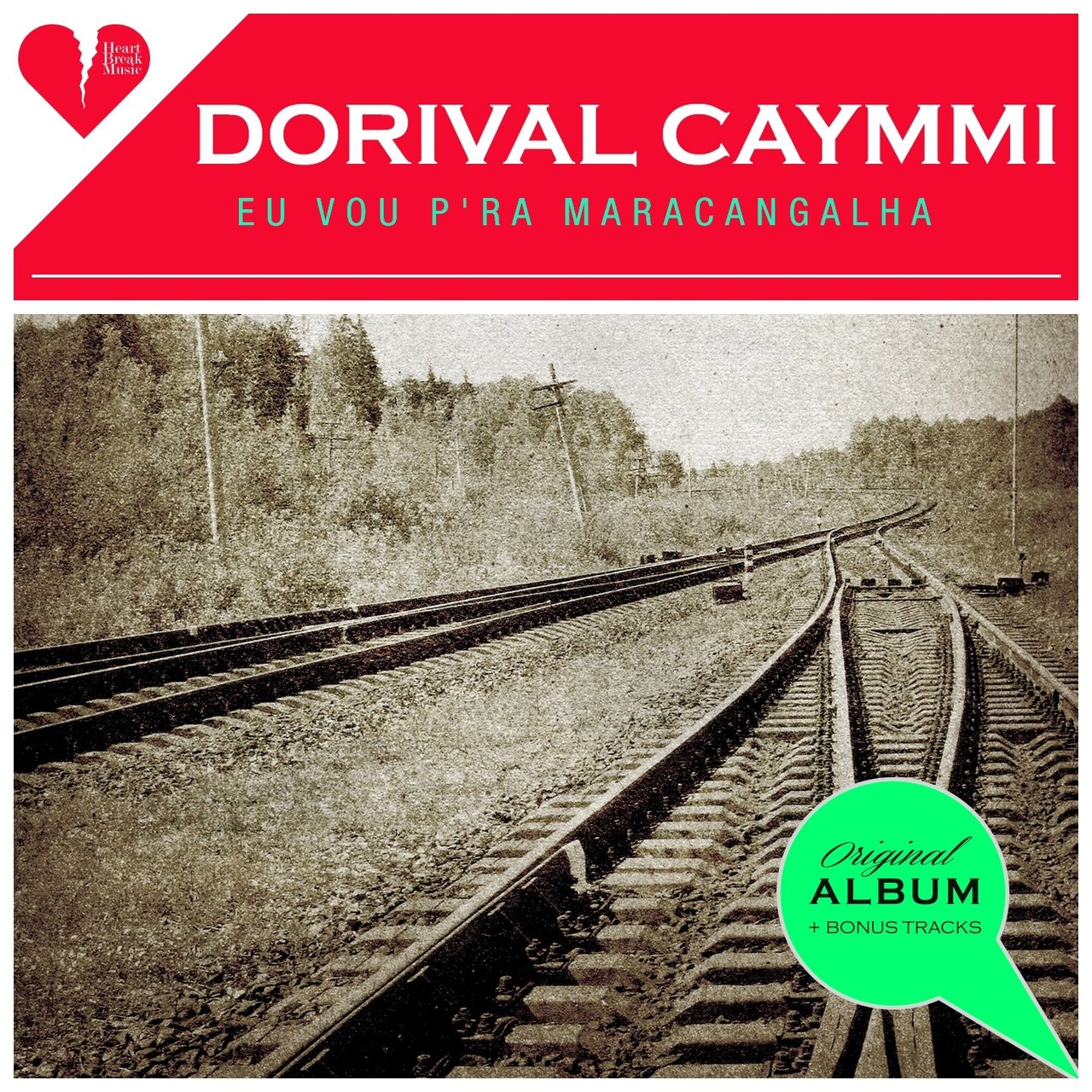
Released in 1957, Eu Vou p'ra Maracangalha is the fourth album by the iconic singer and composer Dorival Caymmi, cementing his position as one of the pillars of Música Popular Brasileira. The record, released by Odeon, stands out for featuring some of the most joyous and captivating arrangements of his career to date, under the baton of masters such as Radamés Gnattali and Leo Peracchi. This work marked a notable turning point in Caymmi's sound, revealing a samba swing and lyricism that evoke Carmen Miranda's vibrant interpretations. Caymmi's work, intrinsically linked to the celebration of the sea, nature, and the unique beauty of Brazil, finds in this album a genuine expression that captures and personifies the spirit of the country, reaffirming his genius in synthesising the Bahian musical universe into timeless songs.
Context
In the mid-1950s, the Brazilian music scene was buzzing with a significant transition, preceding the emergence of Bossa Nova. It was an era dominated by radio and samba-canção, with artists seeking new sounds and forms of expression. Dorival Caymmi, already an established name in Brazilian music since the late 1930s when he began recording, had captivated audiences with his compositions that celebrated Bahian culture and customs. Previous successful albums, such as Canções Praieiras (1954) and Sambas de Caymmi (1955), paved the way for Eu Vou p'ra Maracangalha, showcasing an artist in full creative maturity. His music, deeply rooted in the influence of Black culture and the traditions of the Bahian people, already demonstrated an unmistakable personal style, marked by poetic spontaneity and melodic richness.
Recording
The album Eu Vou p'ra Maracangalha was recorded and released in 1957 by the Odeon label, which had previously produced Dorival Caymmi's earlier works. Production was handled by Aloysio de Oliveira, a prominent figure in the phonographic industry at the time and who frequently collaborated with Caymmi on his projects. The orchestral arrangements, one of the album's highlights, were exquisitely crafted by renowned maestros such as Radamés Gnattali and Leo Peracchi, who contributed to the record's distinctive sound. Notably, the sound engineering work of the era resulted in a recording that, for its time, was praised for the clarity in its capture, mixing, and mastering, allowing even the most subtle percussive details to be heard. The original release was in 10-inch LP format.
Songs
The original Eu Vou p'ra Maracangalha album featured eight tracks, all composed and performed by Dorival Caymmi himself, who presented a samba repertoire with his unmistakable stamp. Among the highlights are MPB classics like "Samba da Minha Terra" and "Saudade da Bahia", which became cornerstones of the Brazilian songbook. The title track, "Maracangalha", has a peculiar inspirational story: it originated from a friend of Caymmi's who used the name of the Bahian locality as a pretext to meet a lover. The repetition of the line "Eu vou pra Maracangalha, eu vou" transformed into a playful anthem about freedom and the desire for adventure. The album also includes "Acontece que eu sou Baiano", "Fiz uma Viagem", "Vatapá", "Roda Pião", and "365 Igrejas", all demonstrating Caymmi's ability to create spontaneous, sensual, and melodically rich lyrics, always portraying aspects of Bahian culture and life.
Legacy
Eu Vou p'ra Maracangalha achieved tremendous success, solidifying its place as one of Dorival Caymmi's great hits, including during the 1957 Carnival. The album's impact extended beyond its era, with the title track "Maracangalha" becoming one of his most iconic and celebrated songs, perpetuating itself in the popular imagination. Caymmi's work, and this album in particular, is widely recognised for its significant influence on Música Popular Brasileira, inspiring generations of artists who would go on to define the genre, such as Tom Jobim, João Gilberto, Caetano Veloso, Gilberto Gil, and Chico Buarque. Ben Ratliff, of The New York Times, even stated that Caymmi was "perhaps second only to Antônio Carlos Jobim in 'establishing a songbook of 20th-century Brazilian identity'". The album's perennial appeal is attested to by its re-releases, including a CD version as part of the 7-volume box set "Caymmi Amor E Mar", making it available to new generations of listeners.
Tracks
Films


Dorival Caymmi: Programa Ensaio
1972
The TV Cultura programme Ensaio, recorded in 1972, welcomes Dorival Caymmi for the MPB Especial segment. The composer opens the show with his own compositions, such as "Francisca Santos das Flores", "Itapoã", "A Jangada Voltou Só", "Dois de Fevereiro", "Promessa de Pescador" and "Coqueiro de Itapoã". Following the musical opening, Caymmi talks about Salvador and his childhood. He speaks poetically about the discovery of friendship and Zezinho, his first friend and a great influence on his involvement with music. And, like a good storyteller, he gradually reveals the plot of a ballet for which he composed songs. Created with vocals and percussion for a Russian company travelling through Brazil, the acts were broken down into songs that became well-known, such as "Canção da Noiva".
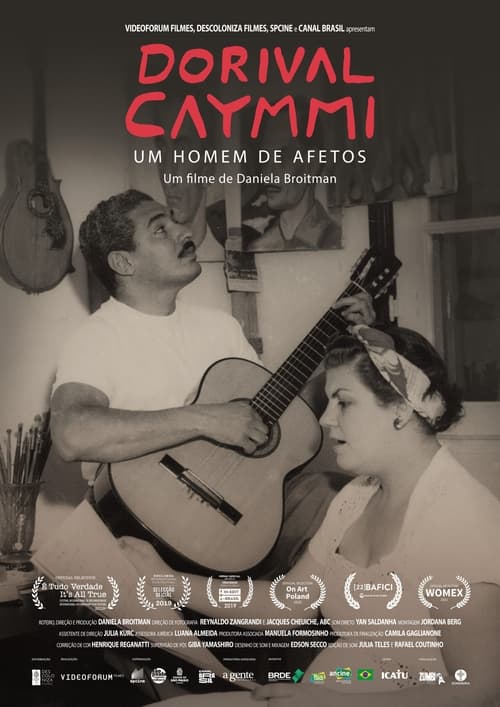
Dorival Caymmi - Um Homem de Afetos
2024
An irresistible journey through the universe of the singer and composer that revolutionized the song in Brazil and influenced generations of musicians, paving the way for movements such as Bossa Nova and Tropicália.

Nas Ondas de Dorival Caymmi
2024
The film reveals the creation of poet Dorival Caymmi's musical works with testimonies from researchers, journalists and friends who lived with him and were able to enjoy his wisdom and talent.
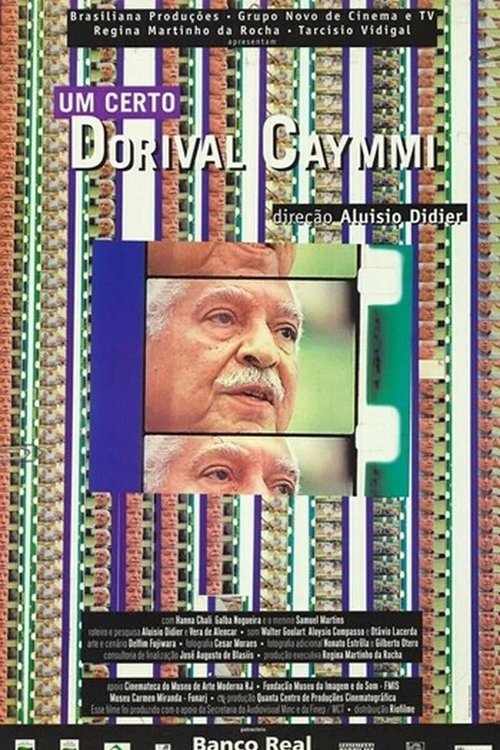
Um Certo Dorival Caymmi
2002
The life and work of the Bahian composer, from his arrival in Rio de Janeiro to his involvement with other forms of artistic expression such as cinema and painting.
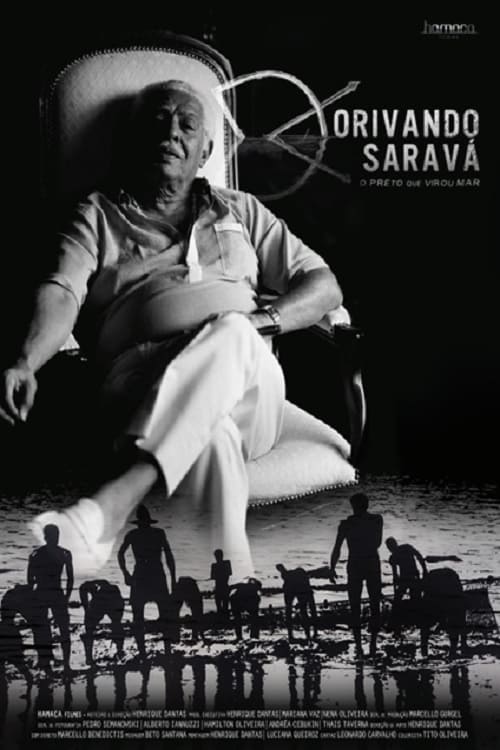
Dorivando Saravá, o Preto Que Virou Mar
2019
Singer, composer, actor and painter, Dorival Caymmi was a multiple artist, but what they may not know is his pioneering work in introducing candomblé into Brazilian popular music. Recreating in a poetic way concepts present in Caymmi's work and life, the documentary revelation of the artist from his own lines, mined in old magazines.
Books
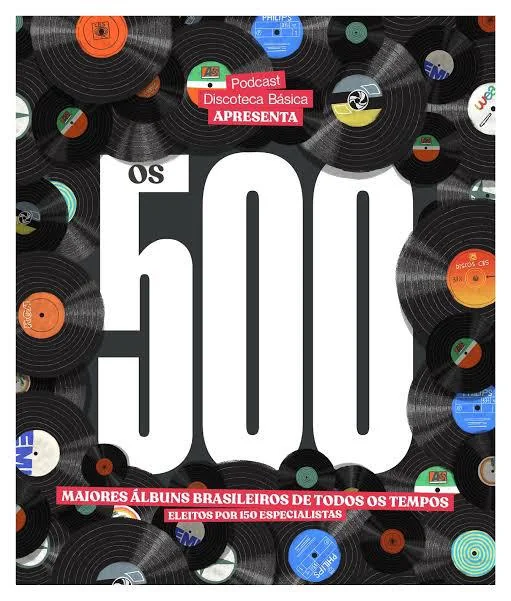
Os 500 Maiores Álbuns Brasileiros de Todos os Tempos
Ricardo Alexandre · 2022
The largest Brazilian music election ever conducted: 162 specialists, spanning journalists, critics, musicians, producers and podcasters, each nominated 50 essential albums, supported by a masterlist of more than 2,000 works. Led by Ricardo Alexandre with tabulation by Sérgio Jomori, it was published in December 2022 as a 200-page hardcover book with graphic design by Fernando Pires.

Dorival Caymmi: o mar e o tempo
Stella Caymmi · 2001
Considered the definitive biography of Dorival Caymmi, written by his granddaughter Stella Caymmi. The work explores the composer's life and career, from his Bahian roots to his consecration in Brazilian music, covering his vast discography and the context of important albums like 'Eu Vou p'ra Maracangalha'.
Analyses
Eu Vou p'ra Maracangalha – Wikipedia
Wikipedia, the free encyclopaedia
Eu Vou Pra Maracangalha | Dorival Caymmi
dorival-caymmikg.bandcamp.com
Eu Vou Pra Maracangalha by Dorival Caymmi, released 01 January 2025 To download or listen to the online album Eu Vou Pra Maracangalha by Dorival Caymmi, along with similar music, just go to the site 👉 https://itunez.cv/24v7a . It's all there, easy to find and pretty straightforward. get lost in the rhythms of dorival caymmi with eu vou pra maracangalha, a classic from 1957 full of samba ...
Eu Vou pra Maracangalha (Full Album Plus Extra Tracks 1957)
letsloop.com
Listen to Eu Vou pra Maracangalha (Full Album Plus Extra Tracks 1957) by Dorival Caymmi with YouTube, Spotify, Deezer, Vimeo & SoundCloud. Stream more from Dorival Caymmi and connect with fans to discover new music.
Maracangalha - MPBNet
mpbnet.com.br
(Dorival Caymmi) I'm going to Maracangalha, I'm going I'm going in a white uniform, I'm going I'm going in a straw hat, I'm going I'm going to invite Anália, I'm going If Anália ...

Dorival Caymmi - Eu Vou P'ra Maracangalha (1957)
br320.blogspot.com
Artist: Dorival Caymmi Album: Eu Vou P'ra Maracangalha Year: 1957 This edition: 2000 (Re-release in the box set "Caymmi Amor E Mar") Label: EMI (Original edition) Genre: Samba, Folk Total running time: 32:05 (with Bonus Tracks) Format: MP3 320k (+ scans) Tracks: 01. Fiz Uma Viagem - 2:28 02. Vatapá - 2:14 03. Roda Pião - 2:51 04. 365 Igrejas - 2:24 05. Maracangalha - 2:47 06. Samba Da Minha ...