A Música de Edu Lobo por Edu Lobo
Edu Lobo
1965
Rankings
Why This Album Matters
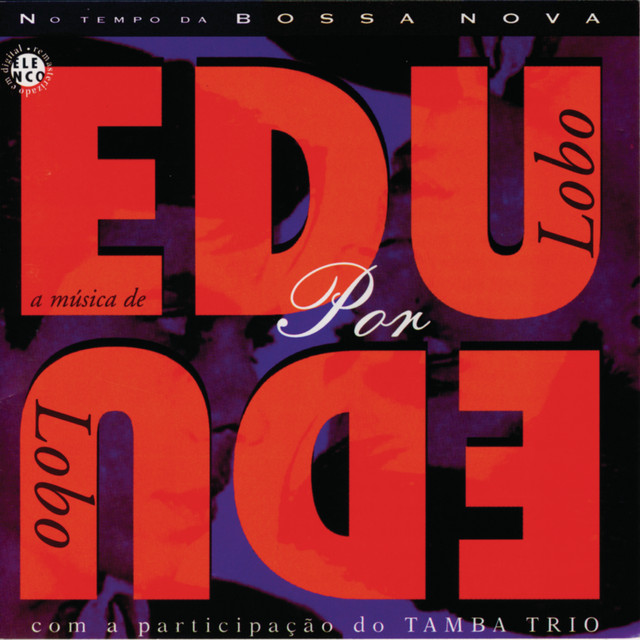
A Música de Edu Lobo por Edu Lobo, released in 1965, is a fundamental milestone in the transition from bossa nova to Música Popular Brasileira (MPB), establishing Edu Lobo as one of the most original and sophisticated voices of his generation. This debut album, although preceded by an EP in 1963, solidified his distinct musical identity, characterised by a harmonic and melodic complexity that expanded the horizons of bossa nova, incorporating elements of samba, Brazilian folk music, and a lyrical depth that went beyond the prevailing romantic themes. The work reveals an artist in full bloom, demonstrating compositional mastery and a captivating vocal and instrumental performance. It presents a balanced fusion of jazzy sonorities with Brazilian rhythmic richness, with imaginative arrangements that create a unique soundscape. The album stands out for the way Edu Lobo, with his firm baritone voice and concise guitar playing, anchors the compositions, allowing the arrangements to develop with brilliance and inventiveness.
Context
The release of A Música de Edu Lobo por Edu Lobo in 1965 took place during an effervescent and complex period in Brazilian history. Musically, bossa nova, which had gained international prominence, began to give way to new strands that sought greater social engagement and a more comprehensive sound, giving rise to the MPB movement. Edu Lobo, who had already formed a trio with Dori Caymmi and Marcos Valle and started a lasting partnership with Vinicius de Moraes in 1962, was at the forefront of this new wave. Politically, Brazil was living under the recently established military dictatorship, following the 1964 coup, which gradually imposed a climate of censorship and cultural effervescence, where music often became a vehicle for more subtle and reflective messages about the country's reality. In this scenario, Edu Lobo's album represented an artistic evolution that engaged with the social and aesthetic transformations of the time.
Recording
The album was recorded and released by the seminal Elenco Records label, founded by Aloysio de Oliveira in 1963, which became a pillar in the dissemination of bossa nova and MPB. Aloysio de Oliveira acted as the album's producer, and the material was recorded using the high-quality recording techniques for which Elenco was known, often carried out at the RioSom studios in Rio de Janeiro. One of the album's major instrumental highlights is the participation of Tamba Trio, an already renowned bossa-jazz group, composed of Luisinho Eça on piano and arrangements, Bebeto on flute and bass, and O'Hanna on drums. The trio's collaboration provided an impeccable rhythmic and harmonic framework for Lobo's compositions. The original release of the album was in mono, a common characteristic of productions of the era, and Elenco's album covers were notable for their minimalist and artistic design, often featuring monochrome photographs.
Songs
A Música de Edu Lobo por Edu Lobo features a repertoire that has become essential in the Brazilian songbook, demonstrating the artist's compositional genius. Songs like "Reza", "Arrastão", and "Chegança" are examples of his ability to create striking melodies and profound lyrics, often in partnership with great lyricists such as Vinicius de Moraes and filmmaker Ruy Guerra. Other notable tracks include "Borandá", "Resolução", "Zambi", "Aleluia", "Canção da Terra", "Canção do Amanhecer", "Em Tempo de Adeus", "As Mesmas Histórias", and "Réquiem Para Um Amor". Luisinho Eça's arrangements, with their brilliant and imaginative touch, and at times with a "baroque flair", are a crucial element for the album's distinct sound, complementing Edu Lobo's "dark" and "sincere" voice and his guitar playing. The lyrics explore themes that move away from the naive romanticism of the first phase of bossa nova, incorporating social and regional elements, especially from Brazil's Northeast, which positioned him as an exponent of the "second generation of bossa nova".
Legacy
Since its release, A Música de Edu Lobo por Edu Lobo has been widely recognised as a seminal album, projecting Edu Lobo into the pantheon of great MPB composers. Many of his compositions on this record became "Brazilian standards", being re-recorded by countless artists and securing their permanent place in the national repertoire. The song "Arrastão", for example, became a great success in the voice of Elis Regina and won first place at the I Festival Nacional de Música Popular Brasileira in 1965, an achievement that demonstrated the strength and appeal of his creations. Similarly, "Ponteio", another notable composition by Edu Lobo, would go on to win the 3º Festival de Música Popular Brasileira in 1967. The album is considered a crucial starting point in his career, paving the way for prolific output in the decades that followed. The original Elenco recordings, the label that produced the record, are still valued by collectors today for their high sound and artistic quality, consolidating A Música de Edu Lobo por Edu Lobo as a fundamental piece in the discography of Brazilian music.
Tracks
Credits
Luiz Eça
Edu Lobo
Ohana
Bebeto Castilho
Aloysio De Oliveira
Videos
"O Grande Circo Místico" - Chico Buarque e Edu Lobo | O Som do Vinil
Canal Brasil
Books
Os 500 Maiores Álbuns Brasileiros de Todos os Tempos
Ricardo Alexandre · 2022
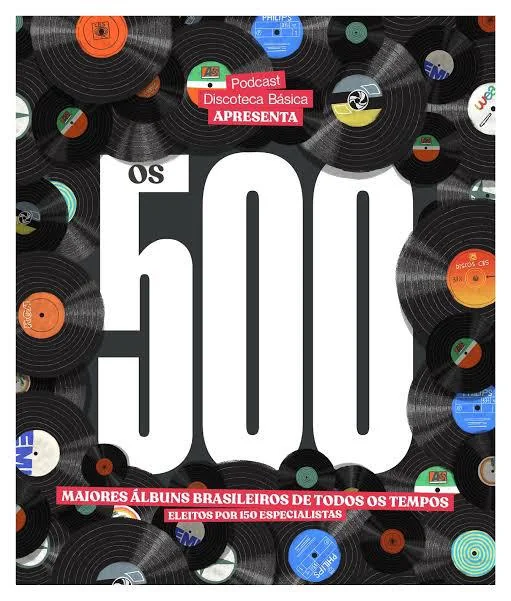
The largest Brazilian music election ever conducted: 162 specialists, spanning journalists, critics, musicians, producers and podcasters, each nominated 50 essential albums, supported by a masterlist of more than 2,000 works. Led by Ricardo Alexandre with tabulation by Sérgio Jomori, it was published in December 2022 as a 200-page hardcover book with graphic design by Fernando Pires.
Álbum 1 - 1950 a 1972
Pedro Alexandre Sanches · 2021
The first volume of the "Álbum" series by renowned critic Pedro Alexandre Sanches, which narrates the history of Brazilian music through its most striking records from 1950 to 1972. Edu Lobo's 1965 album fits directly into this context, being crucial for understanding the MPB of the time.
300 Discos Importantes da Música Brasileira
Charles Gavin, Tárik de Souza, Carlos Calado, Arthur Dapieve · 2008
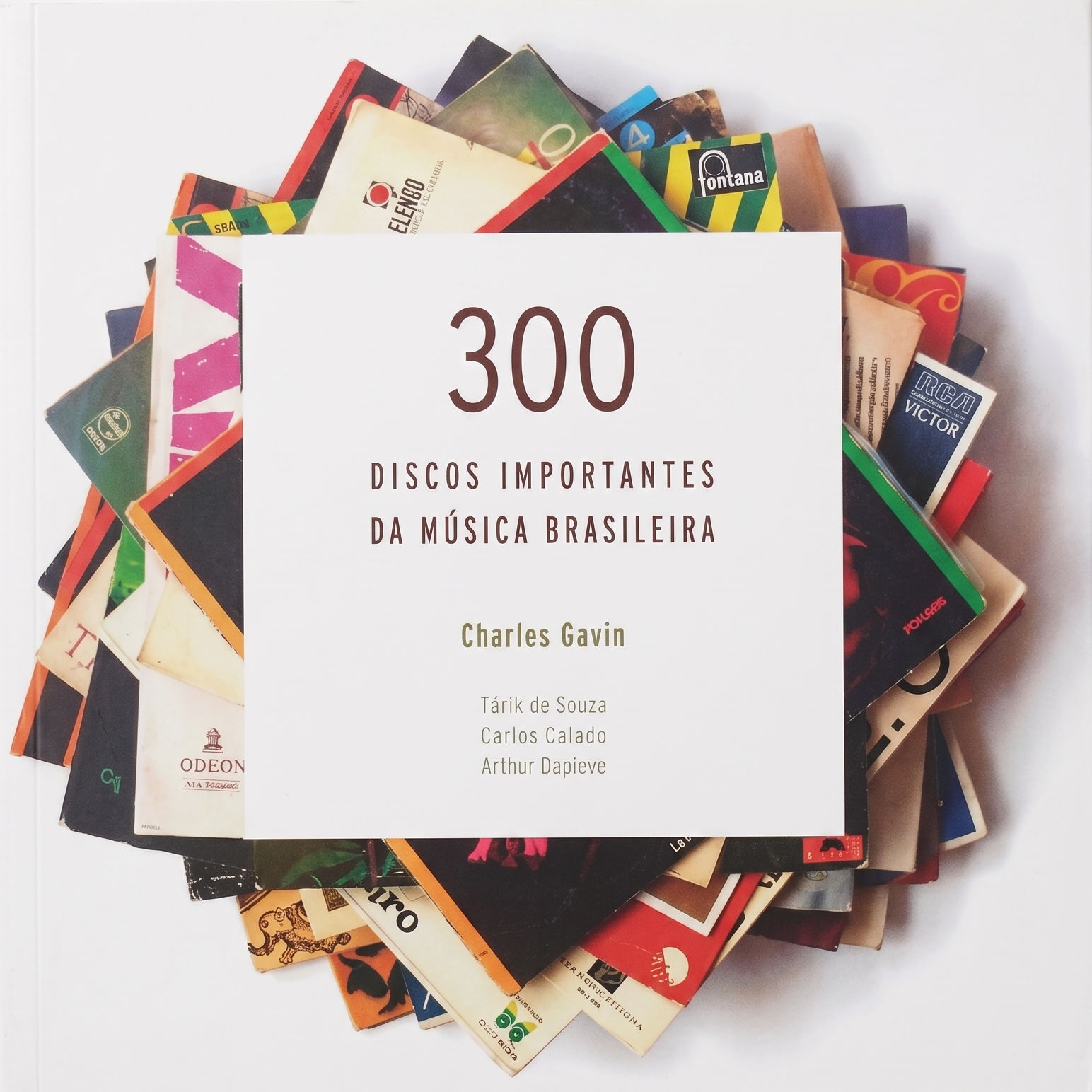
Conceived by Titãs drummer and musical researcher Charles Gavin, the 434-page book brings together covers and reviews of albums released between 1929 and 2007. The texts were written by journalists Tárik de Souza, Arthur Dapieve and Carlos Calado.
Da bossa nova à tropicália
Santuza Cambraia Naves · 2001
The trajectory of MPB from the emergence of Bossa Nova to the explosion of Tropicália, showing the commonalities and dissonances between the Bossa Nova style and the musical movements that developed in the 60s. Essential for contextualising Edu Lobo's work during this period.
Analyses
[91/1000] Edu Lobo - A Música de Edu Lobo por Edu Lobo
umcatalogo.substack.com
This album, therefore, is not only a starting point in Edu Lobo's career, but also foundational to a new phase of Brazilian song, which had been developing in the previous six years.
Cliquemusic : Disco : A MÚSICA DE EDU LOBO POR EDU LOBO
cliquemusic.com.br
1965 Elenco ME-19 Tracks 1 Borandá (Edu Lobo) 2 Resolução (Lula Freire, Edu Lobo) 3 As mesmas histórias (Edu Lobo) 4 Aleluia (Ruy Guerra, Edu Lobo) 5 Canção da terra (Ruy Guerra, Edu Lobo) 6 Zambi (Edu Lobo, Vinicius de Moraes) 7 Reza (Ruy Guerra, Edu Lobo) 8 Arrastão (Edu Lobo, Vinicius de Moraes) 9 Réquiem para um amor (Ruy Guerra ...
Edu Lobo (1965) | Toque Musical
toque-musicall.com
And so, we continue, this time bringing a 1965 single, released by the priceless Elenco label, owned by Aloysio de Oliveira. It's a gem of our MPB, featuring Edu Lobo in two of his best compositions in partnership with Vinícius de Moraes and Ruy Guerra.