Edu
Edu Lobo
1967

Rankings
Why This Album Matters
The album Edu, released in 1967 by Philips, is a milestone in Edu Lobo's discography and in the evolution of Música Popular Brasileira. Distinguishing itself from previous works, this album solidifies the artist's transition from the purity of bossa nova to a richer and more engaged sound, incorporating elements of Brazilian culture and regional rhythms. It is a work that reflects the creative effervescence and the search for new musical expressions that characterised the period. Edu Lobo, already recognised for his harmonic and melodic sophistication, expands his musical universe on this album, presenting compositions that maintain the delicacy and complexity characteristic of him, while imbuing them with a more comprehensive rhythmic and thematic vigour. The work cements Edu Lobo's position as one of the great composers of his generation, capable of engaging with tradition and pointing towards new paths in Brazilian song. His compositions transcend the merely aesthetic to embrace social and cultural narratives of profound significance.
Context
In Brazil in 1967, the political landscape was marked by the military dictatorship, which prompted many artists to adopt a more socio-political stance in their works, reflecting the aspirations of a generation. Edu Lobo, who had already participated in music festivals and composed soundtracks for plays with engaged themes such as "Arena Conta Zumbi", was in a period of great activity and artistic maturation. Influenced by names such as Sérgio Ricardo, João do Vale, Carlos Lyra and Ruy Guerra, Edu Lobo sought to enrich his compositions with themes and rhythms from popular culture, cementing his position as one of the exponents of the 'second generation of Bossa Nova' or post-Bossa Nova.
Recording
The album Edu was recorded at the Companhia Brasileira de Discos (CBD) studio, with João Mello in production and direction. The sound engineering team included Ary Carvalhaes and Célio Martins. The recording process involved a notable constellation of musicians, including Edu Lobo on acoustic guitar, Dório Ferreira on double bass, Papão on drums, Copinha on flute and Peter Dauelsberg on cello. The orchestrations and arrangements were divided among Edu Lobo, Dori Caymmi, Luiz Eça and Gaya, contributing to the album's diversity and sonic richness.
Songs
The eleven tracks on Edu present a repertoire rich in partnerships and themes. "No Cordão da Saideira", written solely by Edu Lobo, explores the feeling of loss and transformation, portraying the end of a carnival and bringing references to Pernambuco culture, such as "Rua da Aurora" and the "bonde de Olinda". "Corrida de Jangada", in partnership with Capinan, celebrates the life and culture of the 'jangadeiros' (raftsmen) of the Northeast, highlighting pride in simplicity and tradition. "Rosinha" and "Dois Tempos" are other partnerships with Capinan, while "Jogo de Roda" and "Catarina e Mariana" feature lyrics by Ruy Guerra. "Candeias", also by Edu Lobo, uses the city as a symbol of returning to one's origins and the simplicity of the Northeastern hinterland. "Embolada" was composed with Gianfrancesco Guarnieri and Augusto Boal, using humour and irony to address the relationship between natural abundance and human desires, with a social critique that questions the limitations of freedom. "Canto Triste", a partnership with Vinicius de Moraes, uses the image of spring to symbolise renewal and happiness, associating it with the beloved person. The album also includes "Chorinho de Mágoa", with Capinan, and "Meu Caminho", a partnership with Dori Caymmi.
Legacy
The album Edu is considered a record of great importance in Edu Lobo's discography and in the history of MPB. It is part of the movement that constituted MPB in the 1960s, a period in which Edu Lobo, along with other artists, expanded the horizons of Brazilian song beyond bossa nova, incorporating Afro and Northeastern rhythms and politicising the lyrics. Although detailed information on sales or specific critical reception at the exact time of its 1967 release is scarce in the consulted sources, the album's later recognition and the re-recording of its songs by various artists attest to its lasting value. Songs such as "No Cordão da Saideira", "Rosinha", "Canto Triste" and "Jogo de Roda" became hits and true standards in the Brazilian songbook. The album's presence in lists and collections dedicated to MPB and Edu Lobo's discography, as well as its availability in later reissues, reinforces its status as a seminal work.
Tracks
Credits
João Mello
Ary Carvalhaes, Célio Martins
Glauco Rodrigues
Flavio Macedo Soares
Pedro De Moraes
Books
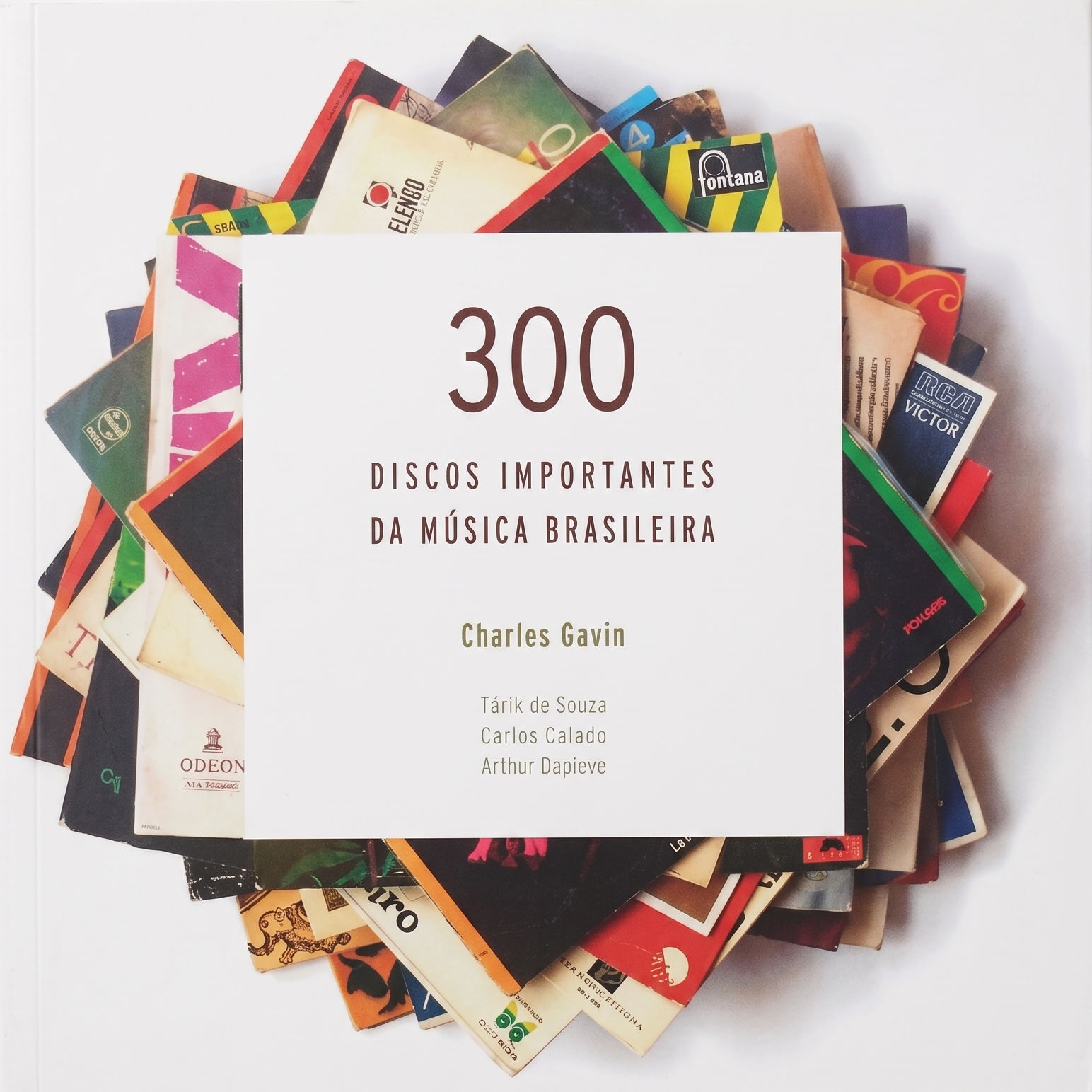
Analyses
Cd Edu Lobo Edu 1967 - armazemdolivro.com.br
armazemdolivro.com.br
The album features sophisticated compositions, with elaborate arrangements and striking lyrics, often in partnership with major names in Brazilian music. With sensitivity and innovation, the work consolidates Edu Lobo as one of the main composers of his generation.

MUSICA&SOM: Edu Lobo & María Bethânia - Edu e Bethânia (1967)
tabernanovostempos.blogspot.com
On this album, he created the arrangements, and both singers took turns on lead vocals across the various tracks. They were joined by other renowned Brazilian musicians, such as Dori Caymmi, Dório, and Edson Machado.