Dança das Cabeças
Egberto Gismonti
1977
Rankings
Why This Album Matters
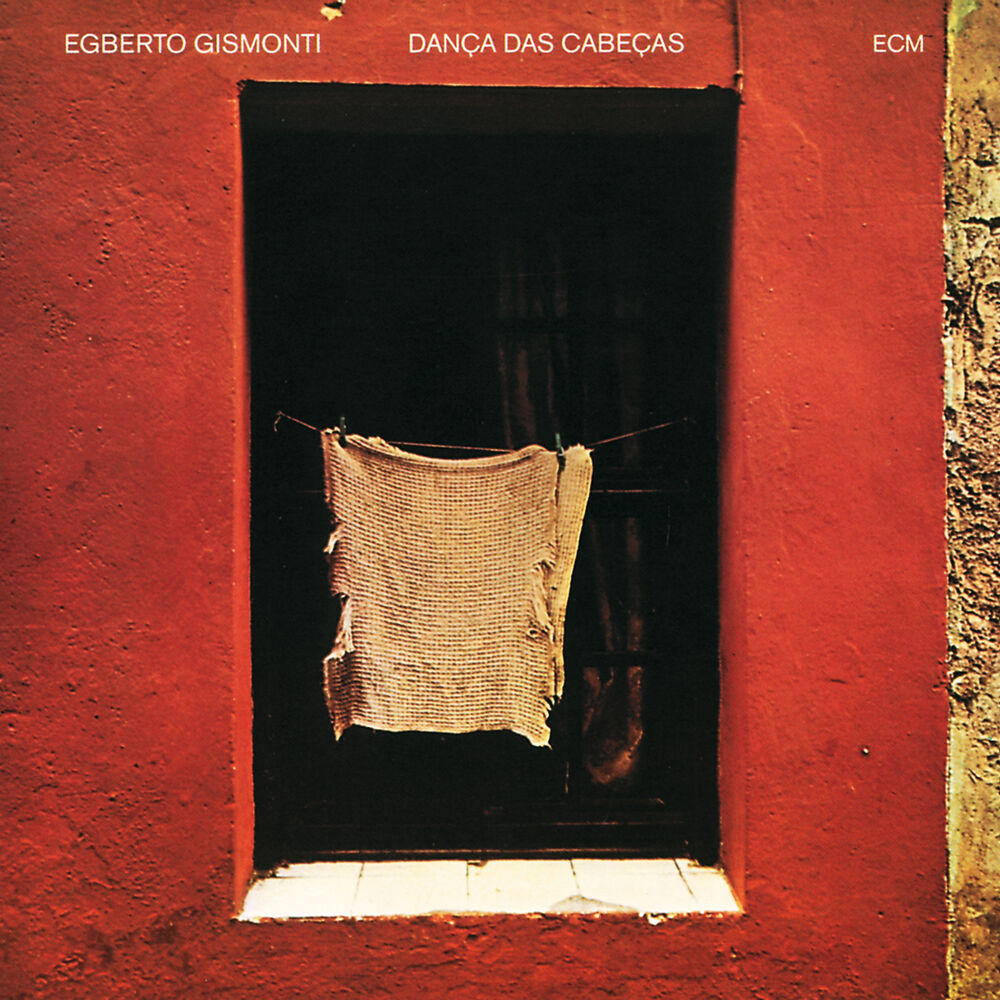
Dança das Cabeças, released in 1977, is an indelible landmark in Egberto Gismonti's discography and in Brazilian music, marking his debut on the prestigious German label ECM. This album is not just a musical record, but a profound immersion in sounds that transcend easy categorisations, blending elements of jazz, contemporary classical music, and, above all, the rich Brazilian folk tradition. The work is a seminal collaboration with percussionist Naná Vasconcelos, whose visceral and inventive interaction elevated the album to a level of innovation and sensibility rarely achieved. The work stands out for its purity and sophistication, presenting a dynamic range that varies from mysterious and haunting melodies to energetic percussive sounds, reminiscent of Brazilian indigenous 'batuques'. Critics point out that it is an unmasked, direct and essential work for those who appreciate music's capacity to touch the heart, mind and body. With its soundscape evoking the tropical rainforest in all its fecundity, the album is a counterpoint to the artificial exoticism of many works, situating itself firmly in the acoustic benefits of live musicality, captured with the impeccable clarity that has become ECM's trademark.
Context
Before Dança das Cabeças, Egberto Gismonti had already built an avant-garde trajectory in Brazilian music, exploring the fusion of jazz with bossa nova, Northeastern rhythms and classical music. His interest in experimentation and Brazil's cultural richness was already evident in previous works, but this album would solidify his international reputation. Naná Vasconcelos, for his part, was already a talented percussionist with growing recognition. With varied experiences, including collaborations with Milton Nascimento in Brazil and an international tour with Argentine saxophonist Gato Barbieri, Naná was consolidating himself as a prominent figure in world percussion, with an intense curiosity that led him from Villa-Lobos's classical music to Jimi Hendrix's rock. His specialisation in the berimbau and the ability to learn practically all percussion instruments made him an ideal partner for Gismonti's sonic experiments.
Recording
Dança das Cabeças was recorded in November 1976, at Talent Studio, in Oslo, Norway, with remarkable speed in just three days. Production was handled by Manfred Eicher, a legendary figure at ECM Records, known for his minimalist approach and the pursuit of a clear and organic sound, which aligns perfectly with the album's aesthetic. Jan Erik Kongshaug was the recording engineer. The concept behind the album, which Gismonti shared with Naná Vasconcelos and which guided the sessions, is poetic and visual: two boys wandering through a dense, humid forest, full of insects and animals, maintaining a distance of 55 metres from each other. This image inspired the improvisation and interaction between the two musicians, resulting in a sound which Álvaro Neder described as "pure and sensitive, challenging and sophisticated", with a wide dynamic range that evokes a living, pulsating tropical forest.
Songs
The sound of Dança das Cabeças is predominantly acoustic and profoundly innovative. Gismonti uses an 8-string guitar, piano, wooden flutes and voice, while Naná Vasconcelos employs percussion, berimbau, body and voice, creating a rich and organic sonic texture. The album is divided into two long suites, 'Part I' and 'Part II', each lasting around 25 minutes. The first part is centred on Gismonti's 8-string guitar, exploring percussive and melodic soundscapes, while the second part highlights the piano. The music is a fusion of finely crafted compositions with free improvisations, radiating from Naná's Afro-Brazilian rhythmic concept and his evocative "tropical forest sounds". The title track, for example, is a complex construction of contrasting sections, where the guitar in Mixolydian mode intertwines with percussion, voice, flutes and berimbau. The interaction in the studio, with sonic manipulations that enhance and alternate the instruments, was crucial to the album's sonic identity.
Legacy
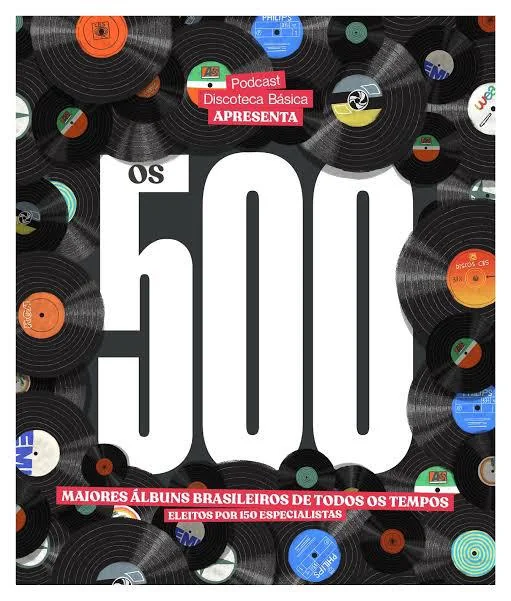
Dança das Cabeças catapulted the careers of Egberto Gismonti and Naná Vasconcelos to a new international level. The album received several international awards in England, the United States and Germany, including the German Record Critics Prize for Album of the Year in 1977, in addition to recognition in Brazil. The impact was immediate: Naná Vasconcelos became an undeniable international artist, travelling the world and consolidating his reputation as one of the greatest percussionists. Egberto Gismonti, in turn, returned to Brazil with new inspiration, dedicating himself to in-depth research into Amazonian folklore, which directly influenced a large part of his subsequent work. The album is constantly recognised for its importance, having been included in the list of the 500 greatest Brazilian music albums, a poll conducted by the Discoteca Básica podcast in 2022.
Tracks
Credits
Manfred Eicher
Egberto Gismonti
Naná Vasconcelos
Jan Erik Kongshaug
Dieter Bonhorst
Lajos Keresztes
Books
Analyses
Dança das Cabeças – Wikipedia
Wikipedia, the free encyclopaedia
Egberto Gismonti - Dança Das Cabeças (1977) | Toque Musical
toque-musicall.com
"Danças das cabeças" is (for me) the artist's best album. Egberto, a multi-instrumentalist, plays accompanied by another great artist, the percussionist Nana Vasconcelos.

Criatura de Sebo: Dança das Cabeças - Egberto Gismonti - 1977
criaturadesebo.blogspot.com
The LP Dança das cabeças was recorded in November 1976 in Germany, released in 1977, is a duet with percussionist Naná Vasconcelos, was named Album of the Year by Stereo Review and awarded the Grober Deutscher Schallplattenpreis.
"Dança das Cabeças", Egberto Gismonti e Naná Vasconcellos (1977)
lucasbonetti.com.br
The album Dança das Cabeças (1977) is a landmark work in Gismonti's career. Besides being the artist's first album in partnership with the important German label ECM, it is also an album that earned Egberto numerous awards abroad.
.: interlúdio :. Egberto Gismonti (1947) e Naná Vasconcelos (1944-2016 ...
pqpbach.ars.blog.br
And it is in this sense that I have already posted GILBERTO GIL's ballet "Z" here, and I strongly recommend the little-posted and much-to-be-posted work by MARLUI MIRANDA and the group UAKTI… and now I am posting this other one, which was one of the most impactful albums in the world in 1977-78.