Capim do Vale
Elba Ramalho
1980

Rankings
Why This Album Matters
Released in 1980, Capim do Vale is the second studio album by the acclaimed Paraíba-born singer and composer Elba Ramalho, consolidating the artistic image she had been building since her debut with Ave de Prata the previous year. This work is a vibrant celebration of Northeastern music, delving deeply into genres such as baião, xote, forró, and MPB with regional roots, and reaffirming Elba's unique voice in the Brazilian music scene. The album is notable for its powerful energy and the authenticity of its interpretation, which would become hallmarks of the artist. The album not only paved the way for Elba Ramalho's successful career but also presented the Northeast as an inexhaustible source of musical inspiration. With songs ranging from the rough to the lyrical and the mischievous, Capim do Vale is a testament to the region's cultural richness and creative strength, absorbing and transforming influences with continuous inventiveness. It is an album that stands out for the way Elba translates this soundscape for the public, with a clear and strong artistic proposition.
Context
Elba Ramalho, born in Conceição, Paraíba, grew up immersed in the pulsating rhythms of the Northeast, such as baião, maracatu, xote, frevo, and forró, influenced by her musician father. Her artistic journey began early, including her experience as a drummer in the female group "As Brasas", before fully dedicating herself to a musical career. In 1979, she made her phonographic debut with the album Ave de Prata, which achieved surprising sales for a beginner's work. Capim do Vale emerged the following year, during a period of effervescence in the Northeastern *sertão* pop scene, with Elba emerging as one of the main voices in the revitalisation of forró and regional music.
Recording
Capim do Vale was released by the CBS/Epic label in 1980. The album featured a diverse range of talents in instrumentation and arrangements, which contributed to the rich and authentic sound of the record. Among the participating musicians, Banda Rojão stands out for the arrangements on some tracks, as do names like Alexandre Gnatalli, responsible for string arrangements. The recording brought together important figures in Brazilian music: Dino on 7-string acoustic guitar and basic arrangement, Miguel Cidras on arrangements and conducting, and Vital Farias, who also signed off on arrangements and basic conducting, in addition to playing acoustic guitar. Instrumentalists such as Joca (guitar, 12-string viola), Paulo Rafael (guitar), Robertinho de Recife (sitar, Portuguese guitar), Geraldo Azevedo (acoustic guitar), and cousin Zé Ramalho (viola) enriched the sonic textures. The rhythmic foundation was provided by Guil Guimarães (bass), Elber Bedaque (drums, timbales), and Picolé (drums), while Manassés and Canhoto contributed with the cavaquinho. The presence of Sivuca on accordion and spoon, and Zé Américo Bastos also on accordion, underlined the strong Northeastern identity of the work.
Songs
The repertoire of Capim do Vale comprises twelve tracks that form a panorama of contemporary Northeastern music, including compositions by authors from Paraíba, Pernambuco, Bahia, and Rio Grande do Norte. The album features gems such as "Caldeirão dos Mitos" by Bráulio Tavares, "Nó Cego" by Pedro Osmar, and the re-recording of "Légua Tirana" by Luiz Gonzaga and Humberto Teixeira, and "Imbalança" also by Luiz Gonzaga and Zé Dantas. The title track, "Capim do Vale", composed by Sivuca and Paulinho Tapajós, is one of the album's highlights, conveying a message of welcome, rest, and belonging to Northeastern roots. Its lyrics evoke images of rural daily life, such as "cheiro de erva, pimenta e capim do vale", and address themes of justice and freedom, such as the encouragement to "largar o patrão na picada e deixar o dinheiro mal pago". Elba Ramalho's interpretation, with her characteristic energy and the use of traditional instruments, amplifies the track's sense of authenticity and regionalism.
Legacy
Capim do Vale achieved solid commercial performance, selling 80,000 copies, a respectable feat for the early stages of the artist's career. Although the critical assessment at the time, such as that from Clique Music which awarded 2 out of 5 stars, might seem modest, the album is retrospectively recognised for its importance in solidifying Elba Ramalho's musical identity. In subsequent analyses, the album is praised for its "rough and ragged" tone characteristic of forró and for presenting an Elba who is a "sertão revivalist", with a musically "quite solid" sound, although some point to it foreshadowing a more "crossover" sound that would come to dominate her later work. At the time of its release, Elba Ramalho demonstrated a greater interest in the continuity and understanding of her artistic proposal than in an immediate "breakthrough", seeking the long-term longevity and relevance of her work, which Capim do Vale helped to solidify, securing her position as one of the leading Brazilian singers.
Tracks
Credits
Adalberto Ribeiro, Mauro Motta
Mauro Motta
Dino 7 Cordas
Sivuca
Zé Américo
Geraldo Azevedo, Meira, Vital Farias, Zé Menezes, Zé Ramalho
Canhoto, Manasses
Elber Bedaque
Guil Guimarães, Zé Américo
Franklin da Flauta, Zé Da Flauta
João Alves da Costa, Paulo Rafael, Robertinho De Recife
Jackson Do Pandeiro
Marcos Amma
Robertinho De Recife
Pedro Osmar, Zé Menezes
Deraldo
Anibal Felix, Waldir Lombardo Pinheiro
Carlos Enrique M. de Lacerda
Cafi
Books
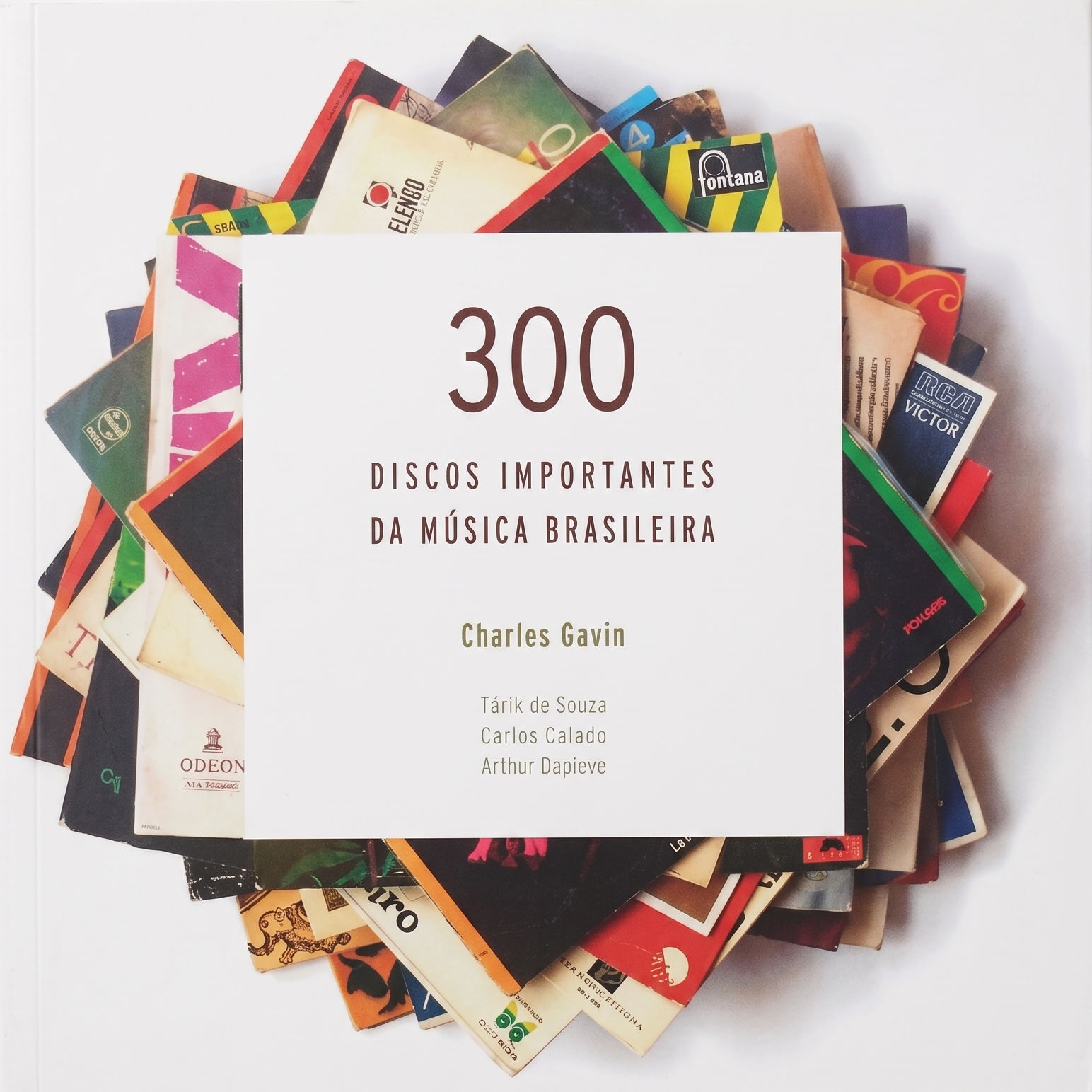
Analyses
Capim do Vale – Wikipedia
Wikipedia, the free encyclopaedia
#Elba Ramalho-Singles
elbaramalho.com.br
Capim do Vale is Elba Ramalho's second LP for CBS, and definitively establishes the image of this singer who, since last year, with the album and the show Ave de Prata, has revealed herself as one of the most personal voices among the new names in Brazilian music.

Só os discos: Elba Ramalho - Capim do vale (1980)
sosdiscos.blogspot.com
Featuring songs by Alceu Valença, Luiz Gonzaga, Elomar, Geraldo Azevedo, Sivuca and Vital Farias, "Capim do Vale" is a vigorous album, showcasing the performer's strength. An ideal repertoire for Elba to unleash her voice and define her unique singing style.

O BARULHO QUE PENSA: Elba Ramalho - Capim do Vale (1980)
barulhoquemove.blogspot.com
Released in 1980, with songs by Zé Ramalho, Alceu Valença, Luiz Gonzaga, Elomar, Geraldo Azevedo, Paulinho Tapajós, Vital Farias, and several others as good as those I mentioned.
Cliquemusic : Disco : CAPIM DO VALE
cliquemusic.com.br
Elba Ramalho (1980) 1980 Epic/CBS 235048 Tracks 1 Caldeirão dos mitos (Bráulio Tavares) 2 Nó cego (Pedro Osmar) 3 Pés de milho (Jatobá) 4 Légua tirana (Luiz Gonzaga, Humberto Teixeira) 5 Porto da Saudade (Refrão Folclore nordestino, Alceu Valença) 6 O violeiro (Elomar) 7 Banquete dos signos (Zé Ramalho)