Elis (1974)
Elis Regina
1974

Why This Album Matters
Released in 1974, Elis is the thirteenth studio album by the iconic singer Elis Regina, marking a high point in her discography and in Brazilian Popular Music. This work reveals an Elis at the peak of her artistic maturity, with her powerful voice and dramatic interpretations that became her trademark. The album stands out for featuring a sophisticated repertoire, transitioning between the lyricism of bossa nova and the rhythmic and melodic complexity of contemporary MPB, always with a modern feel and jazz influences. The 'Pimentinha' demonstrates her remarkable versatility here, moving through songs by already established big names and introducing new talents in Brazilian songwriting to the public. The collaboration with César Camargo Mariano on musical direction and arrangements is one of the pillars of this record, propelling the sound forward and consolidating one of the most fruitful partnerships in Brazilian music. It is an essential album for understanding the evolution of MPB in the 70s and Elis Regina's central role as one of the country's greatest interpreters.
Context
The year 1974 found Brazil under the military dictatorship, a period of great repression and censorship that, paradoxically, stimulated creativity and cultural resistance. Elis Regina, already a consolidated star known for her strong personality and political stances, navigated this complex scenario, using her art as a form of expression and, at times, protest. Her trajectory, nicknamed 'Pimentinha' due to her explosive temperament and passion on stage, had already established her as one of the most influential figures in national music. At this stage, Elis had already consolidated her reputation as a great interpreter and innovator. The partnership with César Camargo Mariano, who would become her husband, was deepening, resulting in an artistic fusion that would shape the sound of many of her subsequent works and significantly influence MPB.
Recording
The recording sessions for Elis (1974) took place at Estúdio Sonima in São Paulo, one of the music production centres of the time, with the final mixing carried out at Estúdio Phonogram in Rio de Janeiro. The project coordination was overseen by Roberto de Oliveira, while the production direction was credited to Marco Mazzola. One of the highlights of the production was the musical direction and arrangements crafted by César Camargo Mariano. Mariano not only orchestrated the tracks, but also demonstrated his instrumental mastery by playing piano, electric piano, harpsichord, clavinet, organ, and phaser on the album, enormously enriching the sonic tapestry. The technical credits also highlight Zorro as the recording engineer, Mazzola as the mixing engineer, and Joaquim Figueira responsible for the matrix cutting, demonstrating the technical and artistic care employed in the creation of the record.
Songs
The repertoire of the album Elis (1974) is a panorama of the creative effervescence of MPB during that period, with Elis Regina masterfully interpreting songs by some of the most important composers. The record features gems such as "Travessia" and "Ponta de Areia", both by Milton Nascimento and Fernando Brant, which highlight Elis's ability to delve into poetic narratives with intense emotion. Other notable tracks include "O Mestre-Sala Dos Mares", "Dois Pra Lá, Dois Pra Cá", and "Caça à Raposa", products of the acclaimed partnership between Aldir Blanc and João Bosco, which introduced a more engaged and critical sound. The album also features compositions by Gilberto Gil, such as "Amor Até o Fim" and "O Compositor Me Disse", and the classic "Na Batucada da Vida", by Ary Barroso and Luiz Peixoto, demonstrating the singer's stylistic breadth. On "Dois pra Lá, Dois pra Cá", the recording featured Paulinho Braga on bongos, Hélio Delmiro on guitar, and the Classic VIII choir, adding special layers to the instrumentation. Elis's vocal performance on each of these songs is a testament to her virtuosity, her dedication, and her incomparable ability to breathe new life into every lyric and melody.
Legacy
Despite being released in the same year as Elis & Tom, which frequently receives greater prominence in international retrospectives, the album Elis (1974) possesses a solid legacy and is valued for its contribution to Brazilian music. In a poll conducted by the podcast Discoteca Básica with 162 music specialists, the album was ranked 237th among the best Brazilian records of all time, being one of the singer's seven works to feature on the list. This album is seen as a milestone in Elis's career, consolidating the modernity of her sound alongside César Camargo Mariano. It served to reaffirm Elis Regina's relevance in the MPB scene, showcasing her ability to reinvent herself and to be the voice of a new generation of composers, ensuring that her 1974 discography had two albums of lasting importance.
Rankings
Tracks
Credits
Mazzola
Luizão Maia
Paulinho Braga
Classic VIII
Antônio "Toninho" Pinheiro
Hélio Delmiro
Natan Marques
Chico Batera
Christiano Mascaro
César Camargo Mariano
Joaquim Figueira
César Camargo Mariano
Lobianco
Videos
3000 Best Albums [2503] Elis Regina & Antonio Carlos Jobim - Elis & Tom (1974) Mini Album Review
Dan's Mini Album Reviews
Elis Regina & Tom Jobim - "Aguas de Março" (Waters of March) - 1974, A Layman's Reaction FIRST TIME
A Layman's Reaction
"Elis & Tom - 1974" Leitura obrigatória - UFRGS 2018
Me Passa
Films

Furacão Elis
Furacão Elis
1985
A documentary about Elis Regina, presented by Marília Gabriela.
Elis & Eu
Elis & Eu
Based on the book “Elis e Eu: 11 anos, 6 meses e 19 dias com minha mãe”, written by João Marcello Bôscoli, the film seeks to deconstruct the myth and reveal Elis as a woman, mother, and professional.

Elis
2016
The film tells the story of the energetic and pulsating singer Elis Regina since her arrival in Rio de Janeiro at age 19 until her tragic and early death. Despite all the difficulties, success comes fulminant and the life of Elis Regina gained national and international recognition, becoming undoubtedly considered today the greatest Brazilian singer of all time.

Elis Regina: Doce de Pimenta
2007
She mesmerised the crowd. The first sight would rapidly disappear and anyone who would get closer would also be surprised. It is not known if she did it for "beauty or precision", as Guimarães Rosa used to say. But the truth is that stereotypes would be destroyed as soon as she would fetch her followers. And revelations would unfold. Behind her suavely acute and toned voice, there was a deep tone that only few could reach. Behind her humble upbringing, there was an uncommon sensibility and intelligence. Her disguise was her irrepressible technique. Elis was pure emotion. And singing was not her final objective, she really wanted to make people happy. This film honours Elis and creates a singular portrait of Brazil's biggest star.
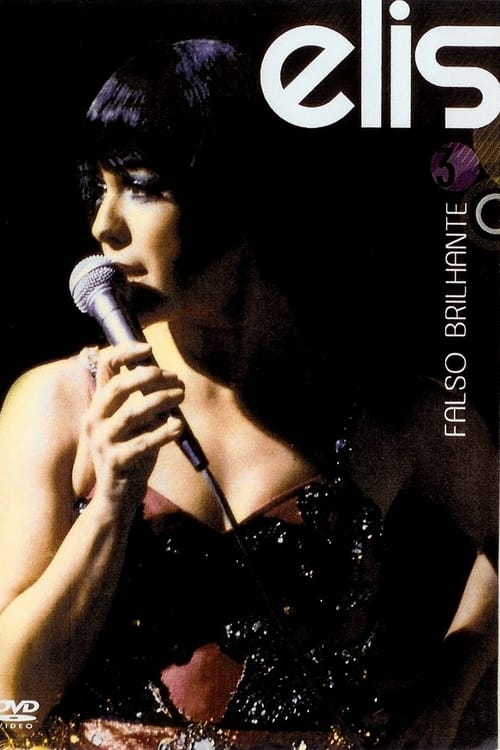
Elis Regina: Falso Brilhante
2007
Elis was complete, she had all the attributes which differentiated simple artists from stars. She could enchant crowds in her albums, concerts and in video. Her music was always associated to the stage, site she mastered with brilliance. Throughout her career, these stages would open to her, from the radio days to the Montreux Jazz Festival. This film shows her magic relationship with stage and audience. And also the Bandeirantes theatre, her last stronghold. There she shone in life with her greatest success in theater, the show 'Falso Brilhante', which is also presented and entitles this film. There her body was veiled and her audience went to meet her for the last time, now for a farewell.
Books
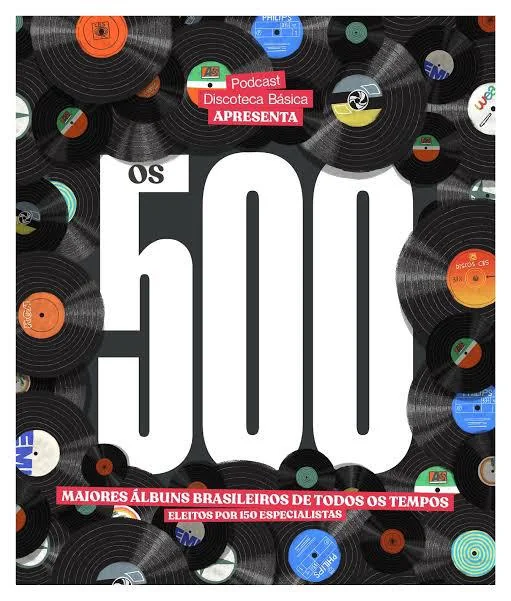
The 500 Greatest Brazilian Albums of All Time
Ricardo Alexandre · 2022
The election was spearheaded by journalist Ricardo Alexandre, creator of the Discoteca Básica podcast. Ricardo consulted 162 specialists including journalists, YouTubers, podcasters, musicians, record-shop owners and producers. The result was published as a 200-page hardcover book, with graphic design by Fernando Pires.

Elis Regina: Nada Será Como Antes
Julio Maria · 2015
Esta é uma das biografias mais completas e aclamadas de Elis Regina, escrita por Julio Maria. A obra detalha a vida, a carreira e o impacto da artista na música brasileira, baseada em extensa pesquisa e entrevistas. Por ser uma biografia abrangente e definitiva, ela oferece contexto essencial e informações detalhadas sobre os principais trabalhos de Elis, incluindo o álbum de 1974, "Elis (1974)".
Analyses
Elis (1974) – Wikipedia
Wikipedia, the free encyclopaedia

Grandes Discos Brasileiros | 'Elis & Tom' - Elis Regina e Tom Jobim (1974)
colunablah.blogspot.com
Elis & Tom foi um sucesso de vendas e atendeu a todas as expectativas de Elis, Jobim e da gravadora. Segundo a Billboard, tornou-se um dos álbuns brasileiros mais vendidos de todos os tempos. Mesmo décadas depois do seu lançamento, as vendas continuaram a acontecer.
Elis Regina, que hoje faria 81 anos, tem remixado o álbum de 1973 ... - G1
g1.globo.com
O fato é que, mesmo sem ter repertório tão avassalador quanto o "Elis" de 1972 e o "Elis" de 1974, o "Elis" de 1973 é álbum com o alto padrão de qualidade vocal de Elis Regina.

"Elis & Tom" (Philips, 1974), Elis Regina e Tom Jobim - Blogger
discosessenciais.blogspot.com
Apesar das mais diversas regravações, a versão de "Águas de Março" presente no álbum Elis & Tom ainda é imbatível. Tudo funciona muito bem nela, desde a agradabilíssima base instrumental ao dueto magistral de Elis e Tom, em que Elis canta de forma descontraída na reta final da música.
Elis Regina e Tom Jobim: os bastidores tensos da gravação da maior obra ...
pensarcontemporaneo.com
Os bastidores de uma das maiores joias da MPB, o álbum "Elis & Tom", de Elis Regina e Tom Jobim, gravado em 1974, finalmente vêm à tona.
Discogs

Elis (1974) – Discogs
discogs.com