Elis
Elis Regina
1977
Rankings
Why This Album Matters
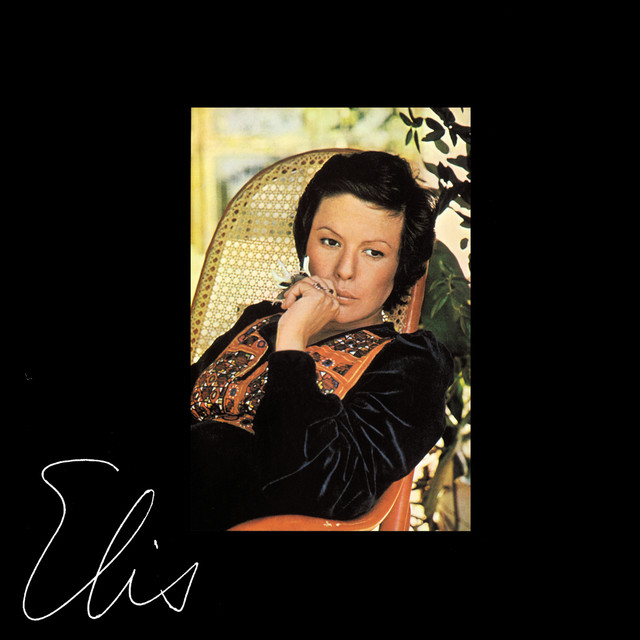
Released in 1977, the album Elis marks a high point in Pimentinha's discography, revealing an artist at the peak of her vocal and interpretative maturity. Moving away from formulas and exploring new sounds, the album stands out for its sophisticated fusion of Música Popular Brasileira (MPB) with elements of experimental pop and progressive rock. It is a work that solidifies Elis Regina's image as an audacious interpreter, capable of transitioning between the delicacy of acoustic ballads and the intensity of more elaborate arrangements. This work represents a quest for sonic depth, with mature vocal arrangements that accentuate the profundity of her interpretation. In it, Elis displays unparalleled versatility, demonstrating her mastery over different musical genres and her ability to imbue each track with emotion and technique, making it an exquisite example of Brazilian music of the era.
Context
In 1977, Brazil was living under the turbulence of the military dictatorship, a period that imposed challenges and censorship on artists. In this scenario, Elis Regina, who had already achieved great success with the album Falso Brilhante in 1976, was seeking artistic evolution. The 1977 project reflected this phase of personal growth, including the singer being pregnant with her daughter Maria Rita, which gave the album a more intimate and reflective quality, seeking to blend traditional Brazilian elements with subtle jazz influences to express emotional resilience and social nuances.
Recording
The album Elis was recorded in mid-1977 at Estúdios Reunidos, in São Paulo, under the production and musical direction of César Camargo Mariano, Elis Regina's then-husband. Mariano, a renowned jazz pianist, supervised the sessions with the aim of capturing a live band sound, prioritising acoustic arrangements and minimal overdubs to complement Elis's vocal expressiveness. The production choices emphasised subtle instrumentation, with piano, guitar, and light percussion, creating an organic and intimate sound, without the predominance of heavy electronic effects. The album features contributions from musicians such as guitarist Renato Teixeira and flautist Marcio Werneck.
Songs
The 1977 album features ten tracks, including compositions by notable names in Brazilian music. Among them, the folk-tinged "Caxangá" and the acoustic ballad "Morro Velho" stand out, both authored by Milton Nascimento. The song "Romaria", by Renato Teixeira, became one of Elis's most emblematic performances, an introspective classic that resonates deeply with the public. Other important compositions include "Qualquer Dia" and "Cartomante", both by Ivan Lins and Vitor Martins, as well as "Transversal do Tempo", by Aldir Blanc and João Bosco.
Legacy
Since its release in 1977, the album Elis has received positive attention from Brazilian critics and, retrospectively, has been highly praised. Critics describe it as a work that showcases Elis Regina's exploration of experimental pop and progressive rock influences with folk tendencies. The album is frequently considered a highlight in the singer's discography, reflecting Brazil's vibrant music scene of the late 1970s. The success of songs such as "Romaria" boosted Renato Teixeira's career, just as the visibility given to Milton Nascimento on the album contributed to his recognition. Although there are no specific sales data in the consulted sources, its critical reception and the longevity of its songs, such as "Romaria", indicate its enduring relevance in MPB.
Tracks
Credits
Renato Teixeira
Wilson Gomes
Dudu Portes
Marcio Werneck Muniz
Sergio Mineiro
Crispin Del Cistia
Natan Marques
César Camargo Mariano
Carlão De Souza
Roberto Marques
Luigi Hoffer
César Camargo Mariano, Roberto Marques
Reinaldo Cesar de Souza
Penna Prearo
Films


Por Toda Minha Vida: Elis Regina
2006
O especial contou a vida de Elis Regina Carvalho Costa, desde que ela era uma pequena gaúcha que adorava ouvir e cantar junto com o rádio até o fim de sua vida.
Elis Regina: Falso Brilhante
2007
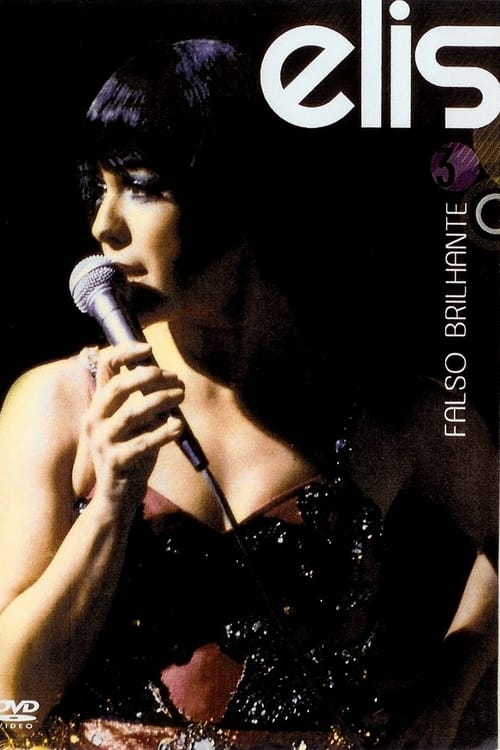
Elis was complete, she had all the attributes which differentiated simple artists from stars. She could enchant crowds in her albums, concerts and in video. Her music was always associated to the stage, site she mastered with brilliance. Throughout her career, these stages would open to her, from the radio days to the Montreux Jazz Festival. This film shows her magic relationship with stage and audience. And also the Bandeirantes theatre, her last stronghold. There she shone in life with her greatest success in theater, the show 'Falso Brilhante', which is also presented and entitles this film. There her body was veiled and her audience went to meet her for the last time, now for a farewell.

Elis Regina: Doce de Pimenta
2007
She mesmerised the crowd. The first sight would rapidly disappear and anyone who would get closer would also be surprised. It is not known if she did it for "beauty or precision", as Guimarães Rosa used to say. But the truth is that stereotypes would be destroyed as soon as she would fetch her followers. And revelations would unfold. Behind her suavely acute and toned voice, there was a deep tone that only few could reach. Behind her humble upbringing, there was an uncommon sensibility and intelligence. Her disguise was her irrepressible technique. Elis was pure emotion. And singing was not her final objective, she really wanted to make people happy. This film honours Elis and creates a singular portrait of Brazil's biggest star.
Elis Regina: Na Batucada da Vida
2007
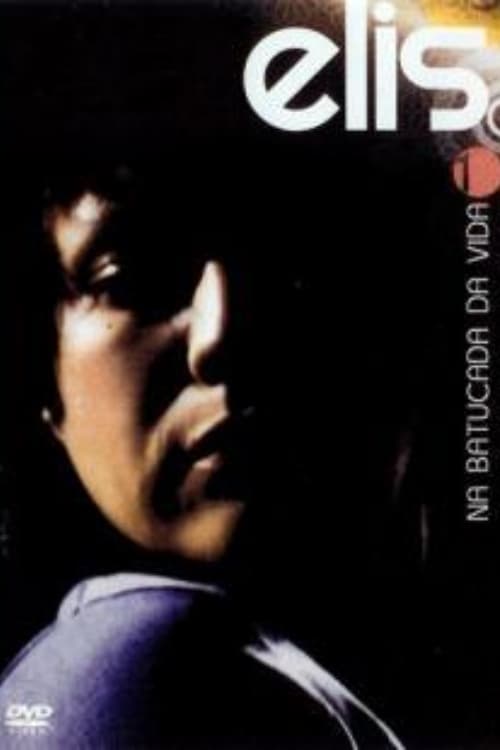
Her difficult career beginning in her hometown, Porto Alegre, was not different from her friends' stories. Elis belonged to a group of people born to win. She had the talent, she knew her potential and she just needed to face the world with courage and determination. That is exactly what she did. The result is known by everybody and it is in this film, a unique register of memorable interpretations by Elis, including the song which Elis learned with Tom Jobim and entitles the film.
Elis Regina: MPB Especial
1973
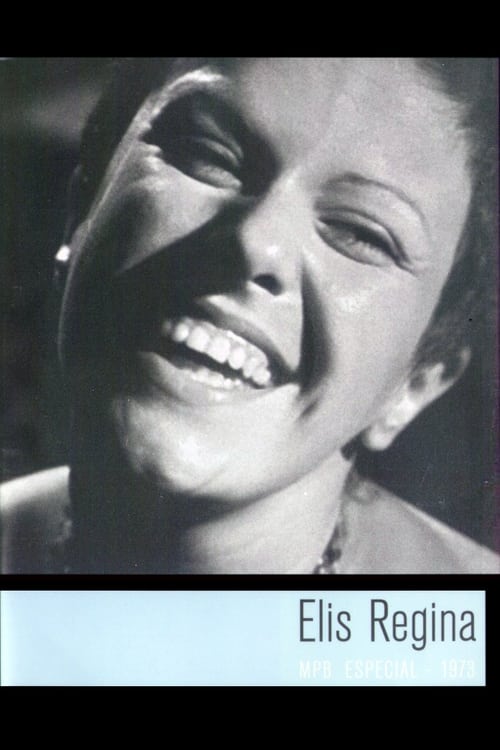
Recorded in 1973, this TV show brings Elis Regina in an 'ensaio' (improvisation). The programme aired by TV Cultura rescues the living memory of the greatest MPB star through her testimonials on composers and performers. The images are black and white and with camera close-ups, it denounces the restless, strong-willed hands of Elis.
Analyses
Elis – Wikipedia
Wikipedia, the free encyclopaedia
Elis é o décimo quinto álbum de estúdio da cantora brasileira Elis Regina, lançado em 1977, no Brasil, pela gravadora Phonogram. O álbum conta com a participação de Milton Nascimento e Ivan Lins. O álbum foi relançado diversas vezes em forma de LP entre os anos de 1977 e 1982, sendo lançado finalmente no formato CD em 1998 - ganhando ainda reedições em 2012 e 2014. == Faixas == == Ficha Técnica == === Músicos === César Mariano — piano, piano Fender, órgão Hammond, RMI, syntorchestra Natan
Elis Regina - Elis (1977) | Toque Musical
toque-musicall.com
The 70s was a very rich decade for Brazilian musical production, especially 1977, when a lot of great music emerged. I'm perhaps biased when talking about Elis, but in my humble opinion, this album is unsurpassed. It is certainly the record I appreciate the most, featuring ten hand-picked songs.
ELIS - 1977 - Discografia Brasileira
discografia.discosdobrasil.com.br
Share: ELIS - 1977 Elis Regina Characteristic: vocal Record label: Phonogram/Philips Producer: Cesar Camargo Mariano Formats: LP (1977) / CD (1993) / CD (1998) Release: 1977 Note: The 1998 CD was released in a box set with the 21 albums the singer recorded for Philips.