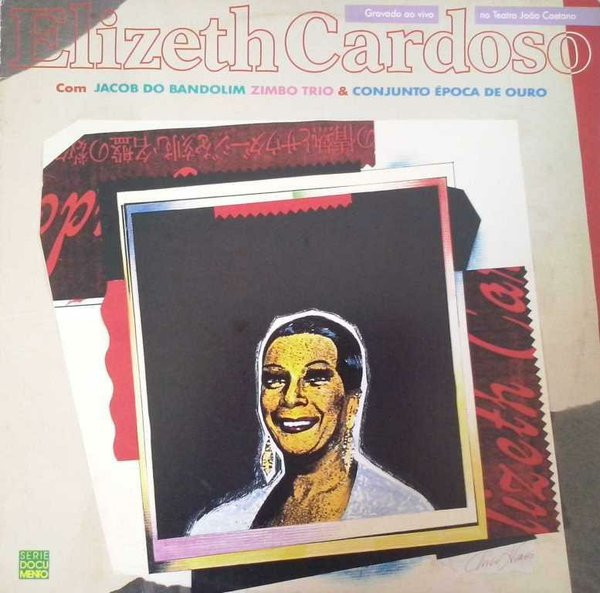
Ao Vivo no Teatro João Caetano
Elizeth Cardoso, Jacob do Bandolim, Zimbo Trio, Conjunto Época de Ouro
1968
Rankings
Why This Album Matters
Ao Vivo no Teatro João Caetano is an album that transcends a mere concert recording, solidifying its place as an indelible landmark in the history of Brazilian popular music. Released in 1968, it documents the singular encounter of four pillars of our music: the unmistakable voice of Elizeth Cardoso, the bandolim mastery of Jacob do Bandolim, the instrumental innovation of the Zimbo Trio, and the choro tradition with Conjunto Época de Ouro. This record is not just a recording, but the celebration of a stylistic and generational fusion that, at the time, was daring and unprecedented. It is the harmonious confluence of bossa nova's elegance, samba's vitality, jazz's sophistication, and choro's deep roots, presented with a spontaneity and virtuosity rarely captured live. The album stands out for its ability to unite different strands of Brazilian music in a cohesive and moving spectacle. The performance by Elizeth Cardoso, known as A Divina, in dialogue with the innovative arrangements of the Zimbo Trio and the purity of choro from Jacob and his Época de Ouro, creates a rich and diverse sonic tapestry. It is a testament to Brazil's cultural richness and the versatility of its artists, an event that became a fundamental part of the cherished memory of MPB lovers and a point of reference for Brazilian musicality.
Context
1968 was a period of cultural effervescence and significant social and political transformations in Brazil. Amidst this scenario, the Museum of Image and Sound (MIS) of Rio de Janeiro, facing financial difficulties, devised a benefit concert to raise funds for the institution and its important mission of preserving national culture. The event brought together artists from different generations and styles: Elizeth Cardoso, already an established and respected singer; Jacob do Bandolim, a choro icon and Elizeth's mentor in her early radio years; the Zimbo Trio, which brought a modern sound with jazz and bossa nova influences; and Conjunto Época de Ouro, representing the choro tradition. The collaboration, conceived by producer Hermínio Bello de Carvalho, promised an unprecedented and stimulating musical dialogue between the 'old guard' and the new trends in Brazilian music.
Recording
The anthological show was recorded live on 19 February 1968, at the iconic Teatro João Caetano, in Rio de Janeiro. The production of the performance and recording was overseen by Hermínio Bello de Carvalho. The atmosphere of the concert was marked by emotion and the intense participation of the audience, who packed the theatre and gave the artists a standing ovation. Curiously, Jacob do Bandolim had suffered a heart attack just days before the performance, which added a layer of tension and emotion to the event. The recording reflects this spontaneity and the lack of extensive rehearsals, resulting in an organic and lively performance. The initial recording was released on two LPs by the Rio de Janeiro State Government label, linked to the Museum of Image and Sound itself. Subsequently, in 1977, a Volume 3 entitled "Fragmentos Inéditos" was released, featuring leftover recordings from the same show, and the entire concert was finally made available on CD in 2003 by Biscoito Fino.
Songs
The repertoire of Ao Vivo no Teatro João Caetano is a true anthology of Brazilian music, carefully selected to showcase the versatility of the artists and the richness of the genres covered. The album features classics such as "Ponteio" (Edu Lobo/Capinan) and "Canção do Sal" (Milton Nascimento), interpreted by the Zimbo Trio, who demonstrate their instrumental mastery. Elizeth Cardoso shines on songs such as "Cidade Vazia" and "Derradeira Primavera", as well as moving audiences with "Serenata do Adeus" and "Canção do Amor Demais", where her voice achieves nuances of profound sensitivity. Choro, represented by Jacob do Bandolim and Conjunto Época de Ouro, delivers memorable interpretations of "Murmurando" and "Noites Cariocas". The interaction between the different groups and Elizeth is one of the highlights, such as in "Mulata Assanhada", "Feitiço da Vila" and "Chega de Saudade", where the fusion of styles is evident. The show also featured a moving selection of sambas from the musical "Rosa de Ouro", highlighting the diversity and depth of the work presented. The spontaneity and interaction with the audience, who sang along in moments like "Carinhoso", add a layer of authenticity and warmth to the recording.
Legacy
Ao Vivo no Teatro João Caetano quickly established itself as one of the most important and influential albums in Brazilian music. Between 1969 and 1970, the record released by MIS sold over 150,000 copies, an impressive number for the time, making it one of the label's most emblematic LPs. The repercussion of the concert and the album was widely positive, recognised as a historic gathering and a 'classic' of MPB. Its importance lies not only in its sales or immediate acclaim, but in its lasting influence as a model of intergenerational collaboration and musical genre fusion. The album demonstrated that it was possible to unite the tradition of choro with the modernity of bossa nova and jazz, creating a genuinely Brazilian and timeless sound. The recording is frequently cited in lists of the best Brazilian albums and continues to be studied and celebrated as an essential document of our musical history, influencing generations of musicians and perpetuating the memory of its legendary participants.
Tracks
Credits
Hermínio Bello De Carvalho
José Milton
Videos
"Ao vivo no Teatro João Caetano": Um clássico de Elizeth Cardoso | Disco | Alta Fidelidade
Alta Fidelidade
Books
História do Bandolim no Brasil
Fernando Duarte · 2025
This book traces the history of the mandolin in Brazil, an instrument that has adapted to various musical traditions worldwide and which, in the Brazilian context, is fundamentally prominent in choro groups. The work explores the instrument's trajectory in the country, addressing its main exponents and its evolution, providing a crucial context for understanding the importance of figures like Jacob do Bandolim for national music.
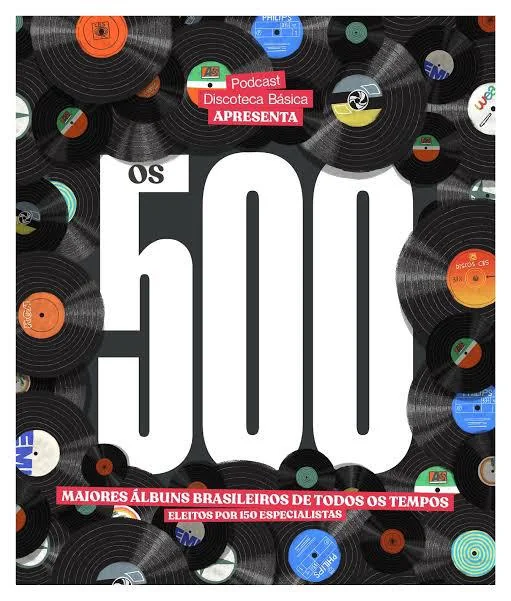
Os 500 Maiores Álbuns Brasileiros de Todos os Tempos
Ricardo Alexandre · 2022
The largest Brazilian music election ever conducted: 162 specialists, spanning journalists, critics, musicians, producers and podcasters, each nominated 50 essential albums, supported by a masterlist of more than 2,000 works. Led by Ricardo Alexandre with tabulation by Sérgio Jomori, it was published in December 2022 as a 200-page hardcover book with graphic design by Fernando Pires.
Jacob do Bandolim: Uma biografia
Ermelinda A. Paz · 2018
Considered by critics one of the greatest instrumentalists in Brazilian popular music, Jacob Bittencourt, known as Jacob do Bandolim, has his life and work studied in depth by musicologist Ermelinda A. Paz, who not only provides a biography, but also an important survey of his complete discography.
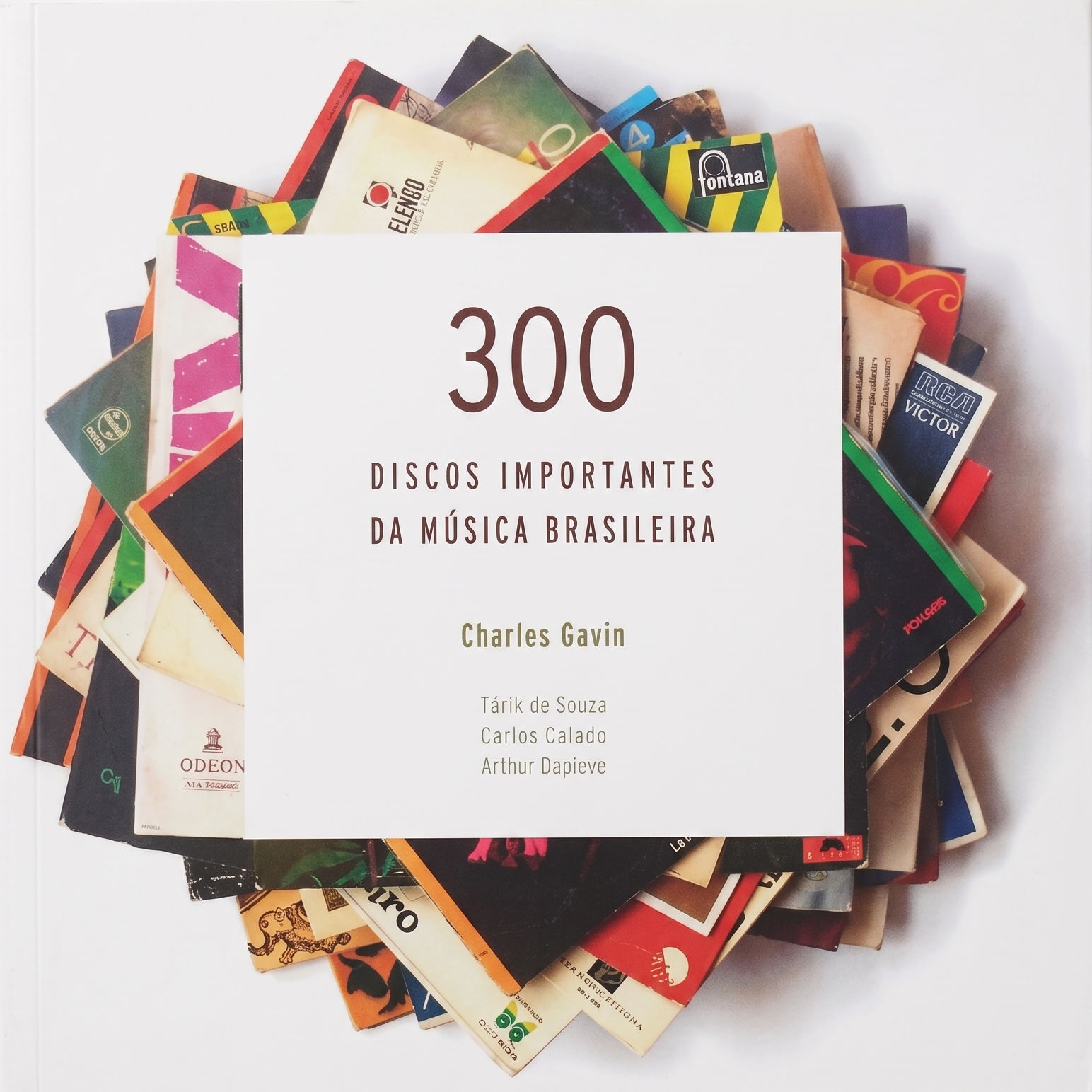
300 Discos Importantes da Música Brasileira
Charles Gavin, Tárik de Souza, Carlos Calado, Arthur Dapieve · 2008
Conceived by Titãs drummer and musical researcher Charles Gavin, the 434-page book brings together covers and reviews of albums released between 1929 and 2007. The texts were written by journalists Tárik de Souza, Arthur Dapieve and Carlos Calado.
Analyses
Cliquemusic : Disco : AO VIVO NO TEATRO JOÃO CAETANO - VOL. I - ELIZETH ...
cliquemusic.com.br
LIVE AT TEATRO JOÃO CAETANO - VOL. I - ELIZETH CARDOSO, ZIMBO TRIO, JACOB DO BANDOLIM and ÉPOCA DE OURO

Elizeth Cardoso - Ao Vivo no Teatro João Caetano Vol 1 e 2 - 1968
joiasdamusica.blogspot.com
How to help "Jóias da Música" stay active. Help Jóias da Música remain on air by making a donation. Your support is crucial for us to continue unearthing the best music from all Genres, Tastes, and Generations.

Elizeth Cardoso Ao Vivo no Teatro João Caetano - Elizeth Cardoso, Jacob ...
orfaosdoloronix.wordpress.com
I have this one by Elizeth on vinyl and I also recommend it for download, as it is a great album. The performances by Zimbo Trio and Conjunto Época de Ouro on this album are magnificent and contribute to the perfection of the show.

1968 - Elizeth Cardoso - Ao vivo no Teatro João Caetano (com Zimbo Trio ...
maisumadofalsario.blogspot.com
Whenever you are looking for something, you can ask me; I take great pleasure in finding and posting it.
Zimbo Trio no Teatro João Caetano, em 1968 - Jornal GGN
jornalggn.com.br
Zimbo Trio, in a historic recording at Teatro João Caetano, on 19 February 1968, participating in the memorable Show by Elizeth Cardoso, Jacob do Bandolim, Época de Ouro, and Zimbo Trio, in aid of the Museum of Image and Sound, under the direction and script of Hermínio Bello de Carvalho.