A Bossa Negra
Elza Soares
1960

Rankings
Why This Album Matters
Released in 1960, A Bossa Negra is Elza Soares' second studio album and represents a fundamental landmark in her discography, consolidating the artist as a singular voice in the Brazilian music scene. The album is the expression of an innovative fusion between samba and jazz, a style that Folha de S.Paulo would retrospectively classify as "one of the moments of invention of samba-jazz and its derivatives". In this work, Elza Soares demonstrated the fullness of her vocal capability, combining "sensual, delicate and husky" nuances with a "furious, growling delivery worthy of Louis Armstrong", always supported by the vigour of big band brass. A Bossa Negra is not just an album but a testament to Elza's resilience and vibrant soul, who, with her interpretation charged with emotion and technique, injected new energy into what would become known as the "bossa negra", a more visceral and authentic approach, hailing from the favelas, in contrast to the more elitist bossa nova of the era.
Context
By 1960, Elza Soares was already achieving increasing national recognition. Having been signed by the Odeon record label, her previous album, Se Acaso Você Chegasse, propelled by the success of its title track released as a single the previous year, had already launched her to stardom. During this effervescent period in Brazilian music, with bossa nova in full ascent, Elza Soares emerged as a distinct figure. Born and raised in the poverty of a Rio favela, her life's journey was marked by adversity, but her voice became a symbol of strength and overcoming. The recording of A Bossa Negra took place in a context where Elza brought an authentic perspective and her own "swing" to the music scene, challenging conventions and adding a layer of intensity and lived experience to the genre, unlike the homogeneous sociological outlines attributed to the bossa nova artists from the South Zone.
Recording
The album A Bossa Negra was produced by Ismael Corrêa, a professional who had previously collaborated with Elza Soares on her preceding record. The recording took place between 4 and 7 October 1960, reflecting a period of intense production for the singer at the Odeon record label. The album's arrangements were created by Astor Silva, who contributed to the characteristic big band sound accompanying Elza's vocals, employing brass support to create a robust and dynamic sonic environment.
Songs
The track selection on A Bossa Negra presents a rich sonic tapestry that blends samba with elements of jazz, showcasing Elza Soares' versatility. Among the songs, "Perdão" and "Beija-Me" stand out; they were highlighted by The Guardian newspaper in its 2022 obituary as examples of the singer's combination of sensual and husky vocals with orchestral brass support. Other tracks such as "Boato" and "Fala Baixinho" also became successful, alongside "Tenha Pena de Mim", "Marambaia", and "O Samba Está Com Tudo". Elza's interpretation, with her "husky voice, adept at navigating jazz, samba and, if she wished, blues", was a distinguishing feature, marked by her peculiar way of articulating syllables and choosing dynamics and intonations, creating an unmistakable style.
Legacy
Originally released in 1960 by Odeon on vinyl, A Bossa Negra was reissued in 2003 by the Dubas label, marking its first appearance on CD with audio remastered from the original tapes. This 2003 edition even featured a new cover photograph, after Elza Soares had vetoed the original image. The reissue was met with critical acclaim, with Folha de S.Paulo classifying it as "one of the moments of invention of samba-jazz and its derivatives". The recognition of the album's importance transcended borders, being noted internationally. In its 2022 obituary, the British newspaper The Guardian highlighted the album, particularly the songs "Perdão" and "Beija-Me", praising how Elza Soares "combined sensual, delicate and husky vocals with big band brass accompaniment". The album not only solidified Elza Soares' career but also led her to represent Brazil at the 1962 World Cup in Chile, where she had the opportunity to personally meet Louis Armstrong.
Tracks
Credits
Astor Silva
Ismael Corrêa
Cesar G. Villela
Francisco Pereira
Videos
"A bossa negra": Um clássico de Elza Soares | Disco | Alta Fidelidade
Alta Fidelidade
Films

Elza Soares: O Gingado da Nêga
Elza Soares: O Gingado da Nêga
2013
Elza Soares talks about her history, career, marriage, and idols. Among the interviewees, in addition to friends, are famous personalities such as Pedro Bial, Lobão, Jorge Aragão, Negra Lee, and others.
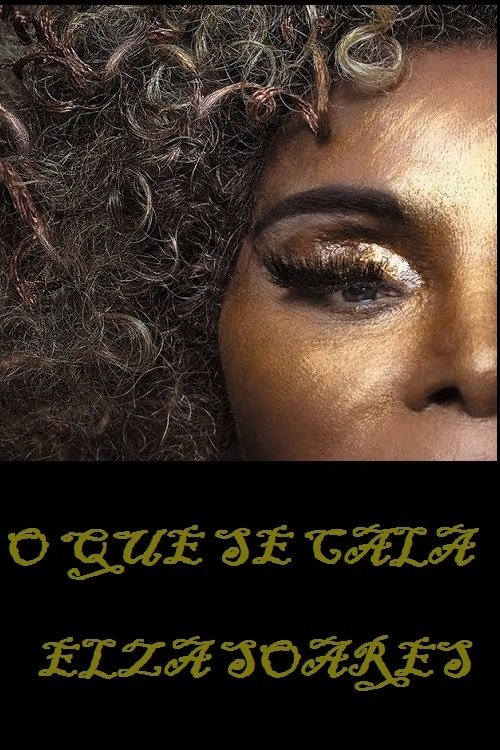
Elza Soares: O Que Se Cala
2018
Brazilian icon Elza Soares shines again.

My Name Is Now, Elza Soares
2014
A documentary about Brazilian singer Elza Soares and her long career singing samba and jazz.
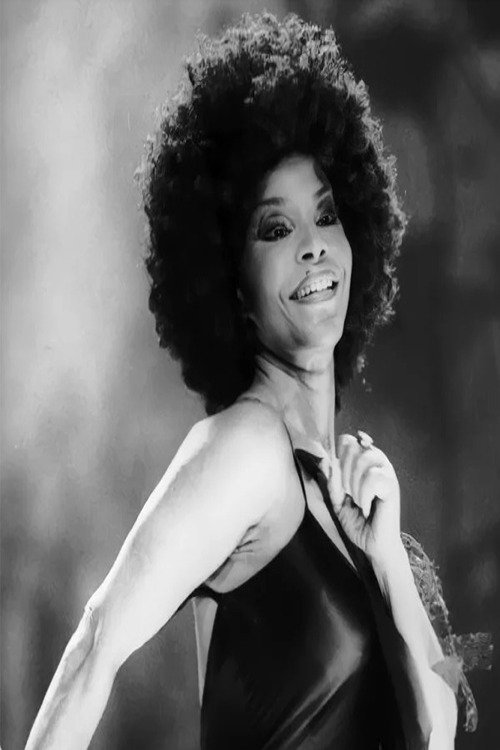
Untitled Elza Soares Biopic
A biopic about star Elza Soares, considered one of the greatest samba singers ever and a symbol of the struggle against racism and women discrimination in Brazil.
Books
Elza Soares
Lígia Moreli · 2026
This biography of Elza Soares follows the journey of an artist who became an icon in Brazilian music and in feminist and Black debates. The work covers her career of 35 albums, specifically mentioning her 1960 debut album, 'Se Acaso Você Chegasse', which is the title of the album 'A Bossa Negra', and her second album from 1961, indicating in-depth coverage of her early work, including the target album.
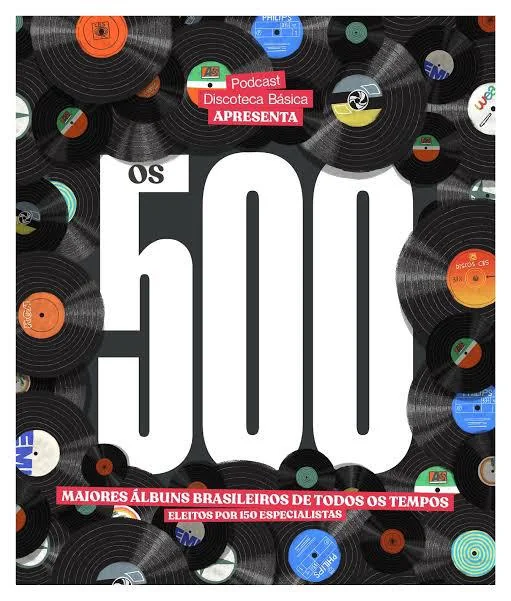
Os 500 Maiores Álbuns Brasileiros de Todos os Tempos
Ricardo Alexandre · 2022
The largest Brazilian music election ever conducted: 162 specialists, spanning journalists, critics, musicians, producers and podcasters, each nominated 50 essential albums, supported by a masterlist of more than 2,000 works. Led by Ricardo Alexandre with tabulation by Sérgio Jomori, it was published in December 2022 as a 200-page hardcover book with graphic design by Fernando Pires.
Analyses
A Bossa Negra – Wikipedia
Wikipedia, the free encyclopaedia

Vinil Campina: Elza Soares - 1960 - A Bossa Negra
vinilcampina.blogspot.com
A BOSSA NEGRA Record Label:Odeon Catalogue:MOFB 3198 Year:1960 Artists:Elza Soares TRACKS: 1 Tenha Pena de Mim (Ciro de Souza/Babaú) 2 Boato (João Roberto Kelly) 3 Fala Baixinho (Edson Menezes/Arcênio de Carvalho) 4 Só Vendo Que Beleza (Marambaia) (Henricão/Rubens Campos) 5 O Samba Está Com Tudo (Denis Brean/Osvaldo Guilherme)

Elza Soares - A Bossa Negra (1960) - br320.blogspot.com
br320.blogspot.com
Artist: Elza Soares Album: A Bossa Negra Year: 1960 This edition: 2003 (CD reissue from the 'Coleção Elza Soares' series) Record Label: ...
Elza: 60 anos de estrada - Revista Acrobata
revistaacrobata.com.br
I thought about the force of this woman in Brazilian music and realised that we are sixty years on from the debut of her first album 'Elza Soares A Bossa Negra' and 'Se Acaso você Chegasse'.
Cliquemusic : Disco : A BOSSA NEGRA
cliquemusic.com.br
Elza Soares (1961) 1961 Odeon MOFB 3198 Tracks 1 Tenha pena de mim (Babahú, Ciro de Souza) 2 Boato (João Roberto Kelly) 3 Fala baixinho (Arcênio de Carvalho, Édson Menezes) 4 Marambaia (Rubens Campos, Henricão) 5 O samba está com tudo (Oswaldo Guilherme, Denis Brean) 6 Cadeira vazia (Lupicínio Rodrigues) 7 Perdão (Don Carlos, J ...