Elza Soares
Elza Soares
1974

Rankings
Why This Album Matters
Elza Soares, released in 1974, marks a crucial moment in the discography of the iconic Brazilian singer, being her first work for the Tapecar record label. Produced and arranged by Ed Lincoln, the album stands out as the beginning of a new artistic phase for Elza. Its relevance is underlined by specialised critics, who point to it as the best album of her output for Tapecar. The album is notable for the quality of its repertoire, which, under Lincoln's direction, offers a glimpse into Elza Soares' versatility and interpretive power. This release represents not only a change of label but also the affirmation of her musical identity within a new phonographic industry landscape.
Context
Before Elza Soares, the singer spent almost 15 years and released four albums with the Odeon record label. However, her trajectory at Odeon was marked by growing dissatisfaction, mainly due to the priority the label began to give to samba interpreted by Clara Nunes. Elza's frustration reached its peak when the repertoire that had been selected for one of her albums was, unexpectedly, transferred to Clara Nunes. This situation motivated Elza Soares' decision to leave Odeon and sign with Tapecar, initiating a new stage in her career, which would yield four albums between 1974 and 1977, with Elza Soares being the inaugural release of this partnership.
Recording
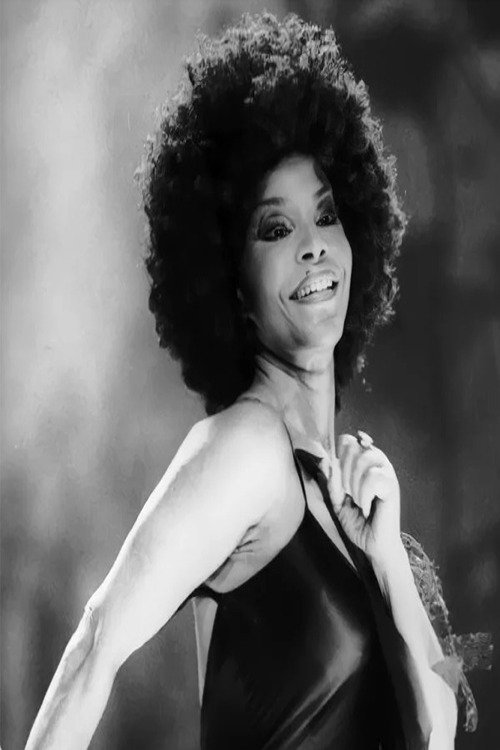
The musical production and arrangements for Elza Soares were entirely conducted by Ed Lincoln. Additionally, the album's visual aesthetic also drew attention, with a cover that presented Elza Soares with a strongly Afro-influenced appearance, an aesthetic detail that echoed Clara Nunes' success and visibility at the time.
Songs
The album's repertoire, praised for its quality, included songs such as "Bom dia, Portela", "Pranto Livre" and "Meia noite já é dia". The curation of the tracks, combined with Ed Lincoln's arrangements, contributed to the work's positive reception.
Legacy
Initially released in 1974 by Tapecar, Elza Soares featured the song "Não É Hora de Tristeza" as its standout single. The album was well received by critics, with Mauro Ferreira giving it a rating of 3.5 out of 5 stars and highlighting it as the best of the singer's period at Tapecar, largely due to the quality of its repertoire. Years later, in mid-1977, the album was re-released on the Spanish market under the title Ritmos de Brasil, credited to Elza Soares and Ed Lincoln. More recently, in April 2021, the work gained new life with its release on digital platforms, distributed by Deckdisc, ensuring its accessibility to new generations of listeners.
Tracks
Credits
Ed Lincoln
José Xavier
M. V. Camero
Ary Perdigão
Américo Marques Pinto
Randall Produções
Paschoal Perrota
Ektone
Videos
Elza Soares (1972-1974) | Caravana do Delírio | Alta Fidelidade
Alta Fidelidade
Films

Elza Soares: O Gingado da Nêga
Elza Soares: O Gingado da Nêga
2013
Elza Soares talks about her story, career, marriage, idols. Among the interviewees, besides friends, are celebrities such as: Pedro Bial, Lobão, Jorge Aragão, Negra Lee, among others.

Elza Soares: O Que Se Cala
2018
Brazilian icon Elza Soares shines again.

My Name Is Now, Elza Soares
2014
A documentary about Brazilian singer Elza Soares and her long career singing samba and jazz.
Untitled Elza Soares Biopic
A biopic about star Elza Soares, considered one of the greatest samba singers ever and a symbol of the struggle against racism and women discrimination in Brazil.
Books
Elza Soares
Lígia Moreli · 2026
Elza Soares became an icon in music and for feminist and Black debates in Brazil. As a singer, she accumulated 35 career albums until her death in January 2022. The songs 'Se acaso você chegasse', from her debut album in 1960, and 'Beija-me', from her second album in 1961, became classics, among many other successes from a vast and multifaceted body of work. This book explores her comprehensive career.
100 minutos para entender Elza Soares
Astral Cultural · 2025
Elza Soares overcame countless challenges to become one of the great names in Brazilian music. Owner of an unmistakable vocal timbre, Elza used music to confront the numerous violences and tragedies that life imposed on her. The singer always made a point of talking about the reality she came from, her pains and loves, using her art as a tool for resistance and transformation. This book offers a concise analysis to understand her trajectory.
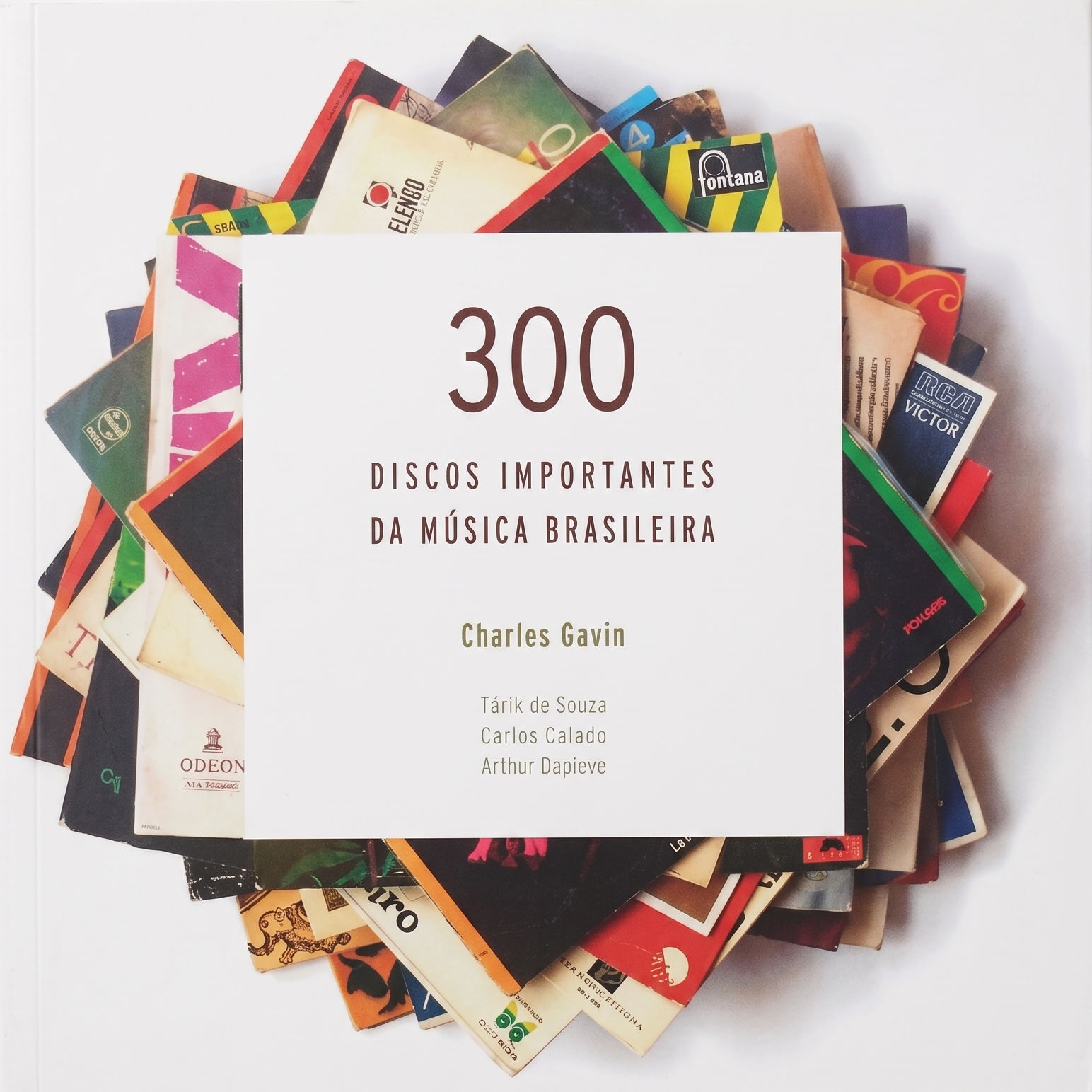
300 Discos Importantes da Música Brasileira
Charles Gavin, Tárik de Souza, Carlos Calado, Arthur Dapieve · 2008
Conceived by Titãs drummer and musical researcher Charles Gavin, the 434-page book brings together covers and reviews of albums released between 1929 and 2007. The texts were written by journalists Tárik de Souza, Arthur Dapieve and Carlos Calado.
Analyses
Elza Soares – Wikipedia
Wikipedia, the free encyclopaedia
Elza Soares - Elza Soares (1974) (Tapecar/Discobertas)
flabbergasted-vibes.org
And the bonus tracks are a nice touch. You can't go wrong with any Elza Soares from the 60s or 70s, and this album is a fine example of why! There are some lame and poorly-written internet bios of Elza at allmusic and Wikipedia, and this one from All Brazilian Music is not much better, but anyway here it is.
LP Elza Soares 1974 - Edição Limitada - Revista Noize Record Club ...
rua6underground.com.br
Essential, unique, colossal: Elza Soares is one of the greatest living treasures of our culture. The classic 1974 album, released by the Tapecar label, arrives at NRC in a special pressing including the bonus track "Salve a Mocidade", originally released on a single in the same year.
Elza Soares relança quatro álbuns gravados entre 1974 e 1977
g1.globo.com
The 1974 Elza Soares album is the best title of the batch, especially due to the repertoire that highlighted the sambas Bom dia, Portela (David Correa and Bebeto de São João) and Pranto livre (Dida and Everaldo ...
Elza Soares - 1974
tropidiscos.com.br
In addition to recording Elza's commanding vocals, the album stands out for its instrumentation, which combines guitar, organ, and horn and string sections with a jaw-dropping rhythm section.