Se Acaso Você Chegasse
Elza Soares
1960

Rankings
Why This Album Matters
Released in 1960, Se Acaso Você Chegasse is the debut album by the iconic Elza Soares and represents a fundamental milestone in Brazilian popular music. This album not only introduced the public to the singular and powerful voice of one of Brazil's greatest interpreters, but also solidified her innovative style, which fused samba with the energy of jazz and the technique of vocal *scat*. Elza's arrival on the musical scene was a breath of modernity, announcing an artist who would transcend genres and barriers. The title track, which had already been released as a single in December 1959, quickly became the singer's first major hit, boosting the album's visibility and consolidating Elza Soares as an undeniable force. Her vibrant interpretation and husky voice, which would become her trademark, made this LP a collection of energetic and colourful songs, a true treasure of Brazilian music that resonated throughout the country.
Context
Elza Soares' journey leading up to the release of her debut album was marked by an unceasing struggle against poverty and racial prejudice. Hailing from the favela, Elza experienced a childhood and adolescence of extreme deprivation, marrying very young and losing children to hunger. Her determination to pursue music led her to Ary Barroso's amateur talent show, where, when questioned about her origin due to her humble attire, she famously replied: "Eu venho do Planeta Fome" (I come from the Planet Hunger), which would become one of her mottos. Before arriving at Odeon, Elza faced financial defaults on an international tour in Argentina and was rejected due to racism by RCA Victor, which refused to sign her upon discovering she was black. It was through singer Sylvinha Telles that Elza met producer Aloysio de Oliveira, Sylvinha's husband and a key figure at the Odeon record label, who finally invited her for an audition and signed her to record her first album, paving the way for one of the most revolutionary careers in Brazilian music.
Recording
The album Se Acaso Você Chegasse was recorded by Odeon, one of the leading record labels of the time, with musical production by Oswaldo Borba and Ismael Corrêa. The collaboration of these producers was fundamental to the album's sound, which already demonstrated the fusion of samba with broad orchestral arrangements, characteristic of Elza's style. The title track, composed by Lupicínio Rodrigues and Felisberto Martins, had already been released as a single in December 1959 and became a tremendous success, defining the name of the debut album and generating great anticipation for the full release. The choice of a song that the singer had liked since childhood, and that her mother used to sing, added a personal and emotional layer to the project.
Songs
The repertoire of Se Acaso Você Chegasse is composed of twelve tracks that highlight Elza Soares' versatility and vocal power. The title track, "Se Acaso Você Chegasse", a composition by Lupicínio Rodrigues and Felisberto Martins, is the main highlight, where Elza strikingly introduced vocal *scat* to samba, imbuing the song with an innovative energy. Other songs such as "Mulata Assanhada" demonstrate the more lively and irreverent side of Elza's samba. The lyrics, often laden with Lupicínio Rodrigues' famous 'dor-de-cotovelo' (heartache/unrequited love), were transformed by Elza's interpretation, who infused them with humour, sensuality, and a celebration of simple, everyday love, contrasting the ostentation of the "chateau" with the happiness found in a "barraco à beira de um regato e de um bosque em flor" (shack by a stream and a blossoming forest).
Legacy
Se Acaso Você Chegasse was an instant success, with the title track dominating radio stations across the country and propelling Elza Soares to stardom. The album not only launched one of MPB's most distinct and unmistakable voices, but also marked the beginning of a career that would span decades and musical genres, establishing Elza as an avant-garde artist and a symbol of resistance. Following this debut, Elza Soares gained international recognition, culminating in her election by BBC Radio London as the 'Singer of the Millennium' in 1999, a testament to her enduring influence and the revolutionary impact of her art. The album is today considered a treasure of Brazilian music, a foundational work that paved the way for an extensive discography and a legacy that continues to inspire new generations of artists and listeners.
Tracks
Credits
Ismael Corrêa
Oswaldo Borba
Oswaldo Borba E Sua Orquestra
Cesar G. Villela
Francisco Pereira
Films

Elza Soares: O Gingado da Nêga
Elza Soares: O Gingado da Nêga
2013
Elza Soares talks about her history, career, marriage, and idols. Among the interviewees, in addition to friends, are famous personalities such as Pedro Bial, Lobão, Jorge Aragão, Negra Lee, and others.
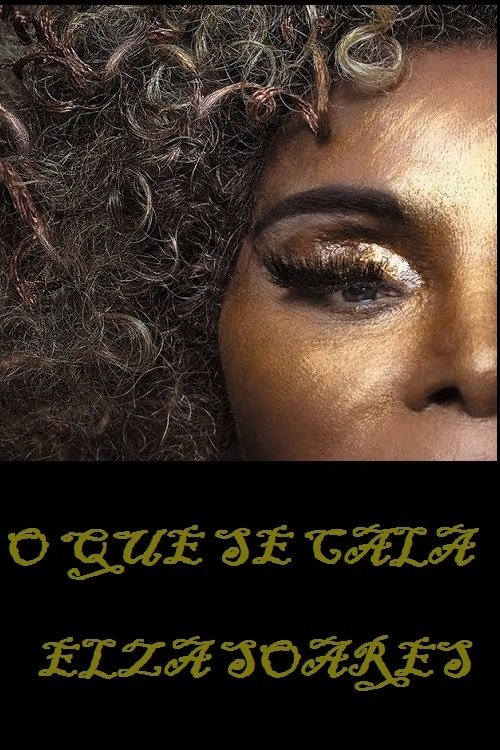
Elza Soares: O Que Se Cala
2018
Brazilian icon Elza Soares shines again.
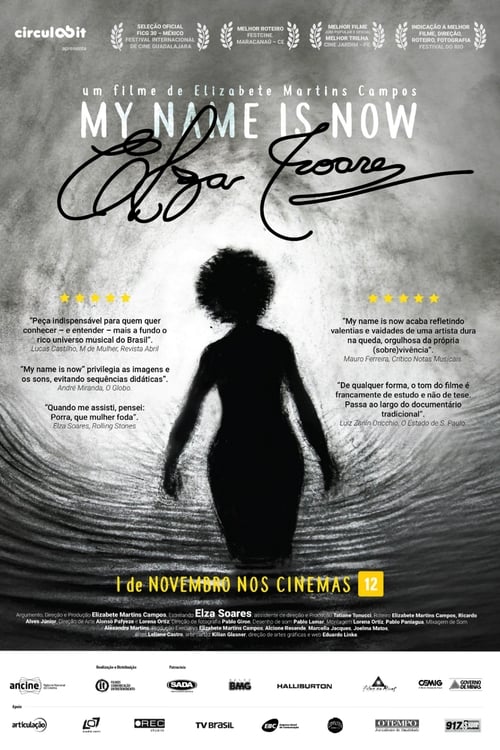
My Name Is Now, Elza Soares
2014
A documentary about Brazilian singer Elza Soares and her long career singing samba and jazz.
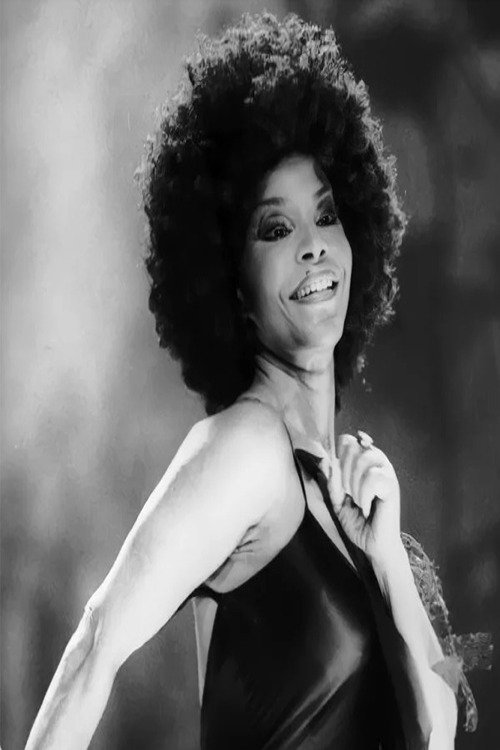
Untitled Elza Soares Biopic
A biopic about star Elza Soares, considered one of the greatest samba singers ever and a symbol of the struggle against racism and women discrimination in Brazil.
Books
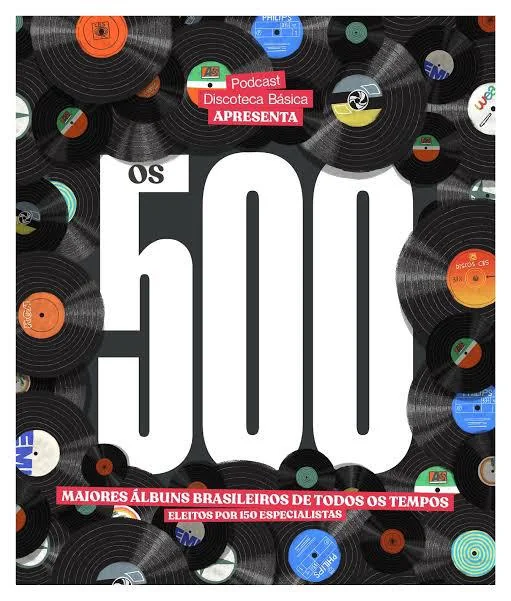
Os 500 Maiores Álbuns Brasileiros de Todos os Tempos
Ricardo Alexandre · 2022
The largest Brazilian music election ever conducted: 162 specialists, spanning journalists, critics, musicians, producers and podcasters, each nominated 50 essential albums, supported by a masterlist of more than 2,000 works. Led by Ricardo Alexandre with tabulation by Sérgio Jomori, it was published in December 2022 as a 200-page hardcover book with graphic design by Fernando Pires.
Álbum 1 - 1950 a 1972
Pedro Alexandre Sanches · 2021
This series proposes to tell the history of Brazilian music by starting from the creations that transcend time and mark different generations: the records. Beginning in 1950 and continuing to the present day, journalist and music critic Pedro Alexandre Sanches recounts this history by revisiting the trajectory of great works, covering the period of the release of 'Se Acaso Você Chegasse'.
Analyses
Se Acaso Você Chegasse – Wikipedia
Wikipedia, the free encyclopaedia

MUSICA&SOM: 1960 - Elza Soares - Se Acaso Você Chegasse
tabernanovostempos.blogspot.com
In these pages, I have already written about my beloved Nick Cave. Concerning an album, and also about a particular song from The Boatman'... Lil' Ed & The Blues Imperials - Slideways (2026)
"Se Acaso Você Chegasse": as várias versões da música que revelou Elza ...
noticiasrmc.com.br
Ten years after achieving national success with the song that gave its name to her first album, Elza Soares re-recorded 'Se Acaso Você Chegasse' in a revamped version, alongside Rio de Janeiro drummer Wilson das Neves, on an album they both recorded together in 1968.

DJ Dejota - 1: Elza Soares - 1960 Se Acaso Você Chegasse
djdejota1.blogspot.com
Despite this moment of mockery from the presenter, Elza was undeterred and, when she sang, she showed her full potential. She earned a little money for her participation and used it to buy medicine for her son, who recovered.

Elza Soares - Se Acaso Você Chegasse (1960) | Órfãos do Loronix
orfaosdoloronix.wordpress.com
Elza Soares was clever; she made her singing appeal to both audiences by using both elements. Owner of a distinctive, harsh voice (even if considering the conspicuous Armstrong mannerisms), Elza Soares is one of the most swinging samba singers.