Emilinha Borba
Emilinha Borba
1992

Rankings
Why This Album Matters
The album Emilinha Borba, or the recordings that the iconic Queen of Radio released or revisited in her later phase, such as the 1991 CD by Revivendo, represents a tribute to the longevity and enduring relevance of one of Brazil's greatest voices. These compilations or eventual late re-recordings, while not seeking to reinvent her sound, solidify her legacy by presenting her classic repertoire to new generations and reconfirming her place in the pantheon of Brazilian popular music. They celebrate the essence of an artist who profoundly marked the country's culture for decades. Rather than an avant-garde work, what stands out in a recording by Emilinha Borba from this era is the interpretive power of an artist who, even after years in her career, maintained the energy and charisma that made her a phenomenon. It is an opportunity to revisit the unique style that blended samba, marchinha, and choro, fundamental elements of Brazilian musical identity, through the voice of one of its greatest ambassadors.
Context
Emilinha Borba, born Emília Savana da Silva Borba, began her prolific career in 1938, rapidly ascending to stardom in the Golden Age of Brazilian Radio. Crowned the 'Queen of Radio' in 1953, following a fierce popularity dispute that shaped her historic rivalry with Linda Batista, she became a national icon, with a constant presence on variety programmes and an extensive discography. Her period of greatest success occurred between the 1940s and 1960s, when she recorded numerous sambas and marchinhas that became anthems of Carnaval and popular culture. In the late 1960s and early 1970s, Emilinha faced health problems that kept her off stage for several years, requiring her to retrain her voice after surgeries. However, she demonstrated remarkable resilience, returning to musical activity and continuing to perform and record sporadically in later decades, keeping the flame of her art and her connection with her loyal audience alive.
Songs
The songs associated with Emilinha Borba, present in her numerous compilations and albums over the years, are a mirror of the diversity and joy of Brazilian popular music. Her repertoire is vast, encompassing carnaval marchinhas, sambas, and choros, which she performed with contagious energy and unparalleled charisma. Classics like 'Chiquita Bacana', 'Escandalosa', and 'Dez Anos' are examples of songs that became inseparable from her voice, marking generations and perpetuating her legacy. Even in late recordings, Emilinha Borba's interpretation conveyed the vivacity and emotion that distinguished her. The lyrics frequently addressed themes of love, celebration, daily life, and the irreverent spirit of carnaval, resonating deeply with the audience. Her ability to bring each melody and lyric to life is a testament to her singular talent and the profound connection she established with Brazil's musical soul.
Legacy
Emilinha Borba is unquestionably one of the greatest and most popular performers of the 20th century in Brazil, immortalised as the 'Queen of Radio' and a symbol of the Golden Age of radio. Her discography is extensive, with hundreds of recordings, and her influence on Brazilian popular culture is immeasurable, especially through her marchinhas and sambas that enlivened carnivals for decades. However, it is important to clarify that, although Emilinha Borba is a legend of Brazilian music and many of her successes appear on various lists of great songs, there is no widely recognised or cited evidence in specialist lists that an album specifically titled 'Emilinha Borba', released in 1992, features among the '100 best Brazilian music albums'. Mentions from 1992 refer more to shows and appearances on television programmes than to a studio album with such critical acclaim. Her legacy lies in the vast body of work recorded during her golden phase and in her ability to captivate crowds throughout her life.
Books
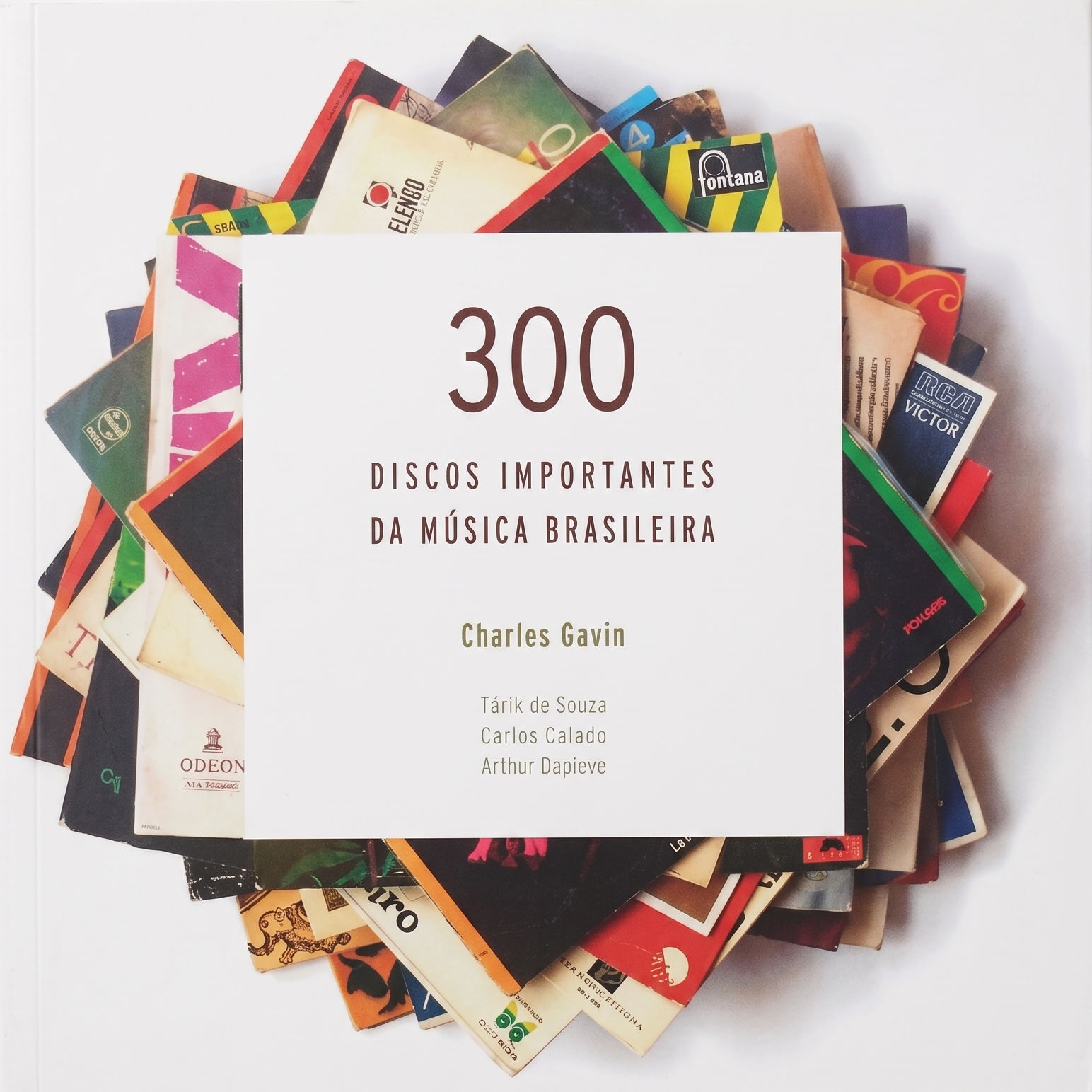
300 Discos Importantes da Música Brasileira
Charles Gavin, Tárik de Souza, Carlos Calado, Arthur Dapieve · 2008
Conceived by Titãs drummer and musical researcher Charles Gavin, the 434-page book brings together covers and reviews of albums released between 1929 and 2007. The texts were written by journalists Tárik de Souza, Arthur Dapieve and Carlos Calado.
--eternamente Rainha, Emilinha Borba
Angela Cristina Ferreira · 2005
This book is a biography or in-depth study of the life and career of Emilinha Borba, one of the greatest singers of the Golden Age of Brazilian radio and Carnival queen. Given the comprehensive nature of a work about the 'Queen', the book certainly addresses her vast discography, including the self-titled album from 1992, offering context and analysis of its importance in the artist's trajectory.
Analyses
Cliquemusic : Disco : EMILINHA BORBA
cliquemusic.com.br
Emilinha Borba (1992) 1992 Revivendo RVCD 018 Tracks 1 Se queres saber (Peterpan) 2 Segue teu destino (Vicente Amar) 3 Baião de dois (Luiz Gonzaga, Humberto Teixeira) 4 Escandalosa (Djalma Esteves, Moacyr Silva) 5 Como eu sambei (Peterpan, Afonso Teixeira)

Emilinha Borba - Revivendo (1992) | Blog Do Porrete
blogdoporrete.blogspot.com
09 Esperar Por Quê 10 Noite de Chuva 11 A Música Que Eu Não Ouvi 12 Rumba de Jacarepaguá 13 Boa 14 Bandolins Ao Luar (Mandolins In The Moonlight) 15 Infância 16 Paraíba 17 Acapulco 18 Aqueles Olhos Verdes 19 Jurei 20 Dez Anos Posted by xaxá at 05:33 EmailPost to blog!Share on XShare on Facebook Tags: EMILINHA BORBA