A Pescaria
Erasmo Carlos
1965

Rankings
Why This Album Matters
A Pescaria, released in 1965, marks Erasmo Carlos's phonographic debut, presenting him as a pioneering force in Brazilian rock and roll. From his very first work, the singer already demonstrated a clear affinity for and influence from the genre, paving the way for the sound that would dominate the musical scene of the time. The album stands out for its sonic audacity, blending surf rock and instrumental rock, and for introducing significant innovations to the national scene, such as the popularisation of the electric organ. With this record, Erasmo consolidated his identity as an artist ahead of his time, contributing decisively to the evolution of youth music in Brazil.
Context
Preceding A Pescaria, a 1964 single already signalled Erasmo Carlos's innovative spirit. It was during this period that, at Erasmo's invitation, organist and pianist Lafayette, a member of the "Tijuca crew", discovered the spectacular sound of a Hammond organ in the studio, opting to record it instead of the piano on the song "Terror dos Namorados". This moment marked the introduction and initial success of the electric organ in Brazilian music. Erasmo always showed himself to be advanced in his ideas for the time, drawing heavily on American influences, such as The Beach Boys' surf rock, even without access to the surfboards that graced LP covers. Despite the simplicity of Brazilian rock production at that time, both the single and the LP were praised for their good recording quality.
Recording
A Pescaria was entirely recorded in 1965 with the accompaniment of the band Renato e Seus Blue Caps. The sole exception was the track "Minha Fama de Mau", which had been recorded the previous year. Erasmo Carlos himself produced the album, demonstrating his creative control from the outset of his career. A notable fact during the recording process of the previous single, which would influence this album, was the introduction of the electric organ. During the recording of "Terror dos Namorados", friend and musician Lafayette, at Erasmo's invitation, experimented with a Hammond organ, and the sound impressed him so much that Erasmo decided to use it instead of the piano. This innovation, an idea of Erasmo's shared with Lafayette, became a great success and was subsequently adopted by various Jovem Guarda artists, including Roberto Carlos.
Songs
The sound of A Pescaria is strongly characterised by surf rock and instrumental rock, an influence present in songs such as "Beatlemania", "Sem Teu Carinho", "Terror dos Namorados", "Tom e Jerry" and "Festa de Arromba". "Minha Fama de Mau", also featured on the album, became one of Erasmo Carlos's greatest hits, consolidating this musical identity. In addition to the tracks with direct surf rock influence, the album also features songs that harken back to 1950s rock, such as the versions of "Dia de Escola" and "No Tempo da Vovó". Most tracks, except where indicated, were composed by Erasmo Carlos in partnership with Roberto Carlos, highlighting the fruitful collaboration between the two artists since the early days of Jovem Guarda.
Tracks
Podcasts
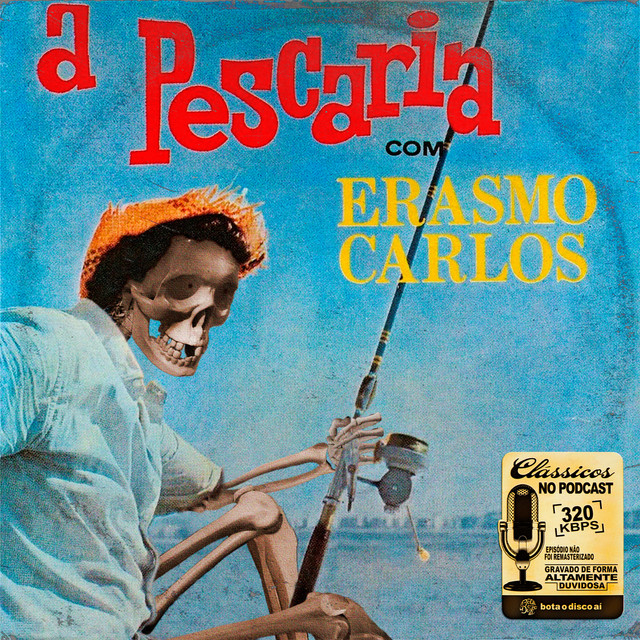
Bota O Disco Aí · Bota O Disco Ai
Sâmmyr Muradi e Caveira contam a historia disco A Pescaria do Erasmo Carlos, o responsável pelo nascimento de um dos programas de maior sucesso da cultura jovem, transformando a musica e comportamento brasileiro. Instagram:@botaodiscoai @sammyrmuradi#erasmocarlos #robertocarlos #rock #classico #60s #jovemguarda #surfrock # #lafayette#rock #disco #vinil #albumreview #vinyl #botaodiscoai
Films

Books
Analyses
A Pescaria – Wikipedia
Wikipedia, the free encyclopaedia

"A Pescaria" (RGE,1965), Erasmo Carlos
discosessenciais.blogspot.com
Titled A Pescaria, Erasmo Carlos's debut album features influences from 1950s rock and the popular youth music of the time, such as The Beach Boys' surf rock and The Beatles' British rock.

Blog do Brenno: Analisando Discografias - Erasmo Carlos: Parte 1
obrenno.blogspot.com
Following the success of his debut album, Erasmo Carlos quickly became a prominent figure in the Brazilian music scene, and not just because of his success with Jovem Guarda.
Erasmo Carlos - A Pescaria (1965) (Versão remasterizada de 2025)
musicasdonordeste.net
The album, divided into two parts, brings together the singer's greatest hits from his 20-year career, with songs such as "Avôhai", "Chao de Giz", "Bicho de 7 Cabecas", and others.

Grandes Discos: Erasmo Carlos - A Pescaria (RGE, 1965)
globodamusica.wordpress.com
For its time, the sound was great, but if RGE had chosen to invest as they did in Zimbo Trio's albums, for example, the album could have had a much superior sound than what was presented, and perhaps, a stereo version of Erasmo's album could have existed.