Amor Louco
Fellini
1990
Rankings
Why This Album Matters
Amor Louco, the fourth album by the São Paulo band Fellini, released in 1990, marks a crucial turning point in the group's trajectory and in the sound of Brazilian post-punk. Distancing itself from the more 'gritty' and introspective instrumentation of their previous works, the record embraces a more airy and laid-back aesthetic, which incorporates influences from Brazilian music in an innovative way. On this album, Fellini explores fusions of samba rock, bossa nova and MPB with its post-punk foundation, creating a singular work that transcends genre categories. The shift to a cleaner sound, with the softening of acoustic guitars and the detailed use of synthesizers, combined with Cadão Volpato's clearer voice, allowed the band to reinvent itself and offer a sound that reflects a Brazil integrated into globalisation, without mythological idealisations. This melodic and rhythmic experimentation resulted in a work that, whilst maintaining the group's characteristic depth and lyricism, opened up to new sonic possibilities, making it a landmark of originality in Brazilian music of the era.
Context
Before Amor Louco, Fellini was already recognised for its deep dive into post-punk, standing out in the Brazilian scene of the 1980s, where the genre was still newly discovered and distanced itself from the censorship and repression of the dictatorship. With records such as O Adeus A Fellini (1985), Fellini Só Vive 2 Vezes (1986) and 3 Lugares Diferentes (1987), the band built a reputation for experimentation and a hermetic repertoire, influenced by Adoniran Barbosa and groups like The Smiths and Joy Division. Amor Louco, released in the early 1990s, coincided with a period of greater freedom of expression and musical diversity in Brazil, where MPB began to merge with elements of pop and rock. The album's recording also marked the return of guitarist Jair Marcos, re-establishing the band's original line-up and infusing a new dynamism into the creative process. Initially conceived as Fellini's final work before a hiatus, the album reflects a moment of transition and maturation, both for the band and for the Brazilian music scene.
Recording
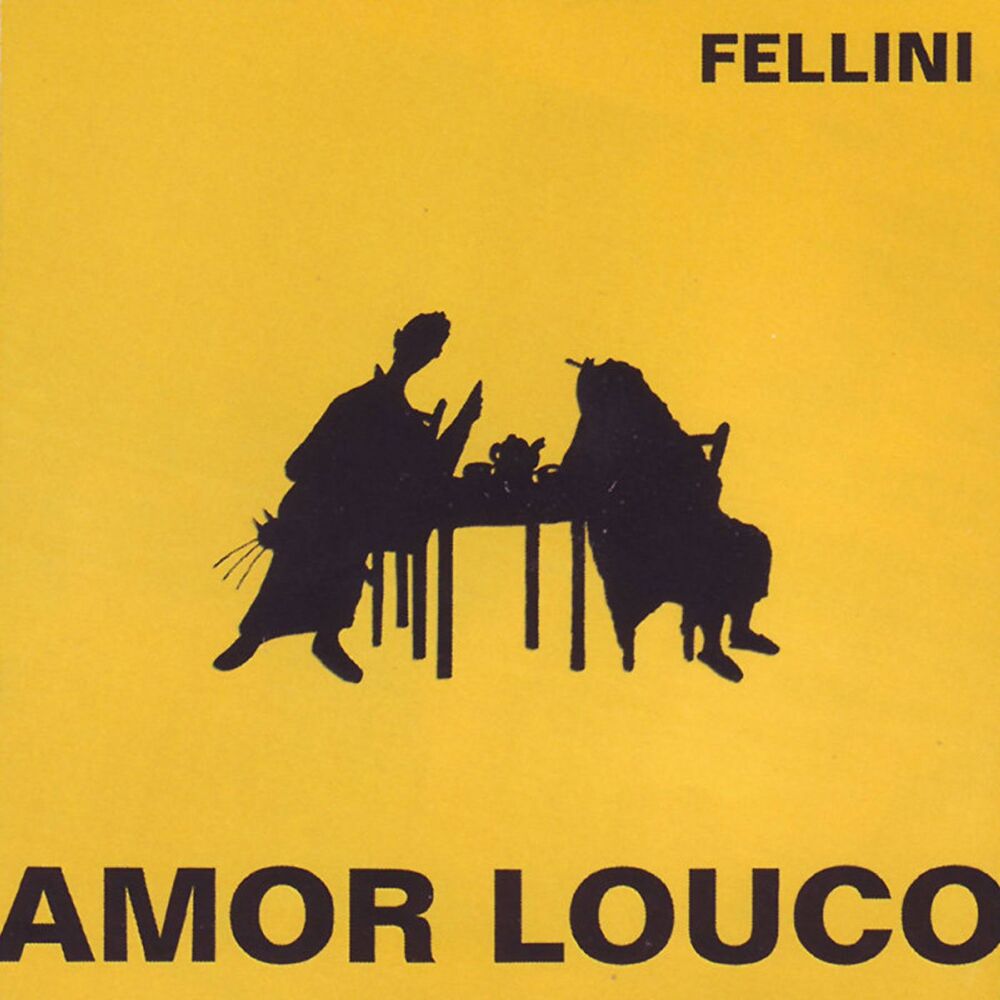
The album Amor Louco was recorded between June and November 1989 at OBJ Studio, in São Paulo, using a 16-channel desk. This more equipped recording environment, in contrast to the more home-based conditions of Fellini's previous releases, allowed for greater technical and sonic sophistication. Production and mixing were carried out by the band itself in conjunction with R. H. Jackson, who also contributed rhythmic programming on one of the tracks. The recording process was notably long, extending over five months, which allowed for more technical and detailed work on the record's sound. The technical team also included Célia Saito for photography and Cadão Volpato, the vocalist, who was responsible for the cover design, lending a visual and artistic dimension that complemented the album's sonic proposal.
Songs
The songs on Amor Louco reflect the album's audacity and sonic diversity. The title track, for instance, encapsulates the group's atmosphere of renewal. The record is also notable for being Fellini's first to include English lyrics, featured on the tracks "Chico Buarque Song" and "Love Till the Morning", demonstrating the band's quest for new forms of expression and dialogue with international influences. "LSD" is one of the songs that stands out for its direct lyrical content, narrating an experience of vocalist Cadão Volpato under the influence of lysergic acid. Other tracks such as "Clepsidra", "Você É Música" and "Grandes Ilusões" are also highlighted by critics as album strong points, with arrangements that balance acoustic guitars, electronic beats and synthesizers, characteristic of the band's new phase.
Legacy
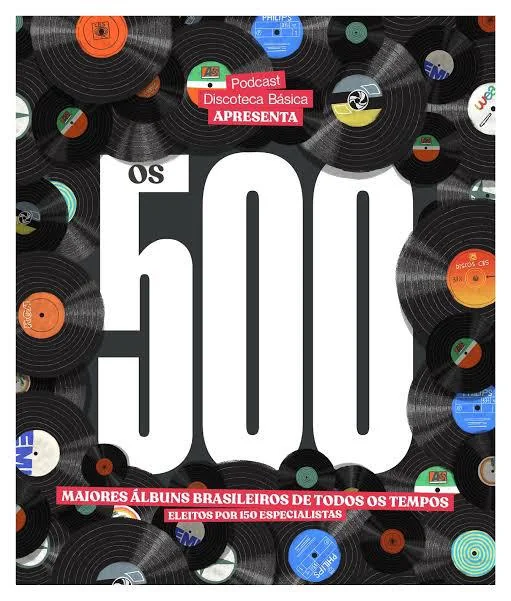
Despite not achieving immediate commercial success, Amor Louco received considerable critical acclaim, being widely recognised as one of the finest works in Fellini's career. The album's importance was re-affirmed in 2022 when it was included in the prestigious list of the 500 greatest Brazilian music albums, a poll conducted by the podcast Discoteca Básica. Its influence can be seen in the way subsequent artists began to explore the fusion of rock with Brazilian rhythms. In 2016, singer Céu re-recorded the album track "Chico Buarque Song" on her record Tropix, earning praise from Cadão Volpato himself as the best version ever made of a Fellini song, attesting to the timelessness and relevance of Amor Louco's compositions.
Tracks
Credits
Fellini
R.H. Jackson
Cadão Volpato
Jayr Marcos
Thomas Pappon
Ricardo Salvagni
n artes
Célia Saito
Films


Books
Analyses
Amor Louco – Wikipedia
Wikipedia, the free encyclopaedia
Amor Louco Explained
everything.explained.today
Amor Louco (Portuguese for Mad Love) is the fourth studio album by Brazil ian post-punk band Fellini. It was released on February 15, 1990, by now-defunct independent record label Wop-Bop Records and re-released in CD form in 2001 by another independent label, RDS.
Amor Louco - Alchetron, The Free Social Encyclopedia
alchetron.com
Amor Louco (Portuguese for Mad Love) is the fourth studio album by Brazilian post-punk band Fellini. It was released in February 15, 1990 by now-defunct independent record label Wop-Bop Records and re-released in CD form in 2001 by another independent label, RDS.
Fellini - Amor Louco (1990) - Um Álbum Toda Semana
umalbumtodasemana.substack.com
Amor Louco is Fellini's fourth album, where they conclude a process already begun in previous albums of getting closer to Brazilian music, partly abandoning their post-punk roots more influenced by European Rock (pun not intended) and creating a different kind of rock on this album.

THE SOUND & THE FURY: FELLINI amor louco (1990)
loveyourselftoo.blogspot.com
When I saw them live at Teatro Paiol, here in Curitiba in the late 80s, the enchanting mix of rock and samba, bossa nova and folk songs, a peculiar sense of humour, their discography which began with "O Adeus de Fellini (85)" parodying "The Return of the Durutti Column", yes... songs spinning on John Peel, and all the rest...