O Adeus de Fellini
Fellini
1985
Rankings
Why This Album Matters
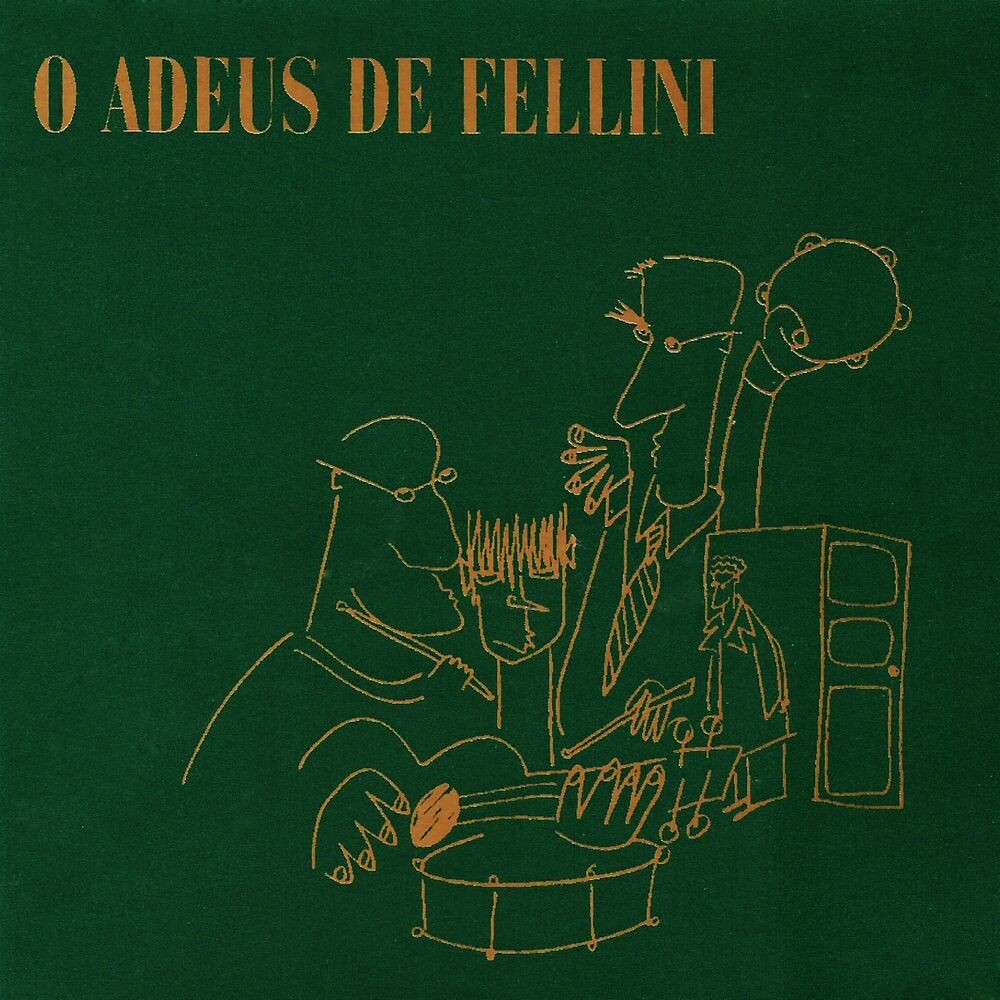
O Adeus de Fellini, the debut album by the Brazilian band Fellini, emerges as a unique landmark in the national post-punk scene. Released in 1985 by the independent label Baratos Afins, the record quickly stood out for its introspective and experimental sound, paving a distinct path in the universe of Brazilian alternative music. The work reveals itself not only as an inaugural recording, but also as an ambitious artistic declaration. The title's reference to The Durutti Column signals a sophisticated aesthetic stance, while elements such as the inclusion of samples of DJ John Peel's voice and a song performed entirely in German ('Zäune') demonstrate a propensity for innovation and the breaking of musical boundaries.
Recording
The recording of O Adeus de Fellini took place in autumn 1985, at the Projeto Ônix facilities in São Paulo, utilising an 8-channel system. This technical choice, common for independent productions of the era, lent the album a particular sound, which would become characteristic of the band's work. The production and arrangements were carried out by Fellini's members themselves, in collaboration with Thomas Pappon, who also contributed to the mixing. The phonographic production was handled by Luiz Carlos Calanca, with mixing assistance from Peter Price, consolidating a team that successfully translated the band's artistic vision into the sonic format.
Songs
The lyrical and musical complexity of O Adeus de Fellini is manifested in tracks of notable singularity. Vocalist Cadão Volpato is credited with most of the lyrics, while the musical composition is collectively attributed to Jair Marcos, Thomas Pappon, Ricardo Salvagni, and Volpato. Among the highlights, the song 'Outro Endereço, Outra Vida' innovates by incorporating samples of the voice of renowned British DJ John Peel, a touch of avant-garde for national production. Another notable moment is 'Zäune', performed entirely in German by Thomas Pappon, reinforcing the group's eclecticism and experimental inclination.
Legacy
The relevance of O Adeus de Fellini transcended its initial release, being recognised as one of the most significant works in Brazilian music. Its inclusion in the list of the 500 greatest Brazilian music albums, the result of a 2022 vote by the Discoteca Básica podcast, attests to its lasting influence and critical acclaim. The album also had its longevity reaffirmed with a CD re-release in 1995, which included a live bonus track, allowing new generations of listeners access to the work and consolidating its place as a classic within national post-punk.
Tracks
Films


Books
Analyses
O Adeus de Fellini – Wikipedia
Wikipedia, the free encyclopaedia
O Adeus de Fellini explained
everything.explained.today
O Adeus de Fellini (Portuguese for Fellini's Farewell) is the debut album by Brazil ian post-punk band Fellini. It was released in 1985 via the independent record label Baratos Afins and re-released in CD form in 1995, with an additional live track.
Fellini - O Adeus de Fellini (1985) | cenaindie
cenaindie.com
'O Adeus de Fellini' is a sonic journey that captures the essence of Brazilian post-punk, with introspective lyrics and striking instrumentation. Discover Fellini's unique sound and delve into the atmosphere of the 80s music scene.
Discos Escondidos #085: Fellini - O Adeus de Fellini (1985)
ojardimeletrico.com
An icon of Brazilian independent rock and commonly associated with the post-punk genre, Fellini is a band that has always known how to blend its lyricism with an extremely distinctive rock verve.
Fellini - O Adeus De Fellini (1985) | Toque Musical
toque-musicall.com
Bringing yet another album from the 'rock brazuca' genre, today I have for my cultured and hidden friends the São Paulo group Fellini, a São Paulo-based band formed in the 80s by Catão Volpato, Thomas Pappon, Jair Marcos and Ricardo Salvagni.