SLA² ~ Be Sample
Fernanda Abreu
1992
Rankings
Why This Album Matters
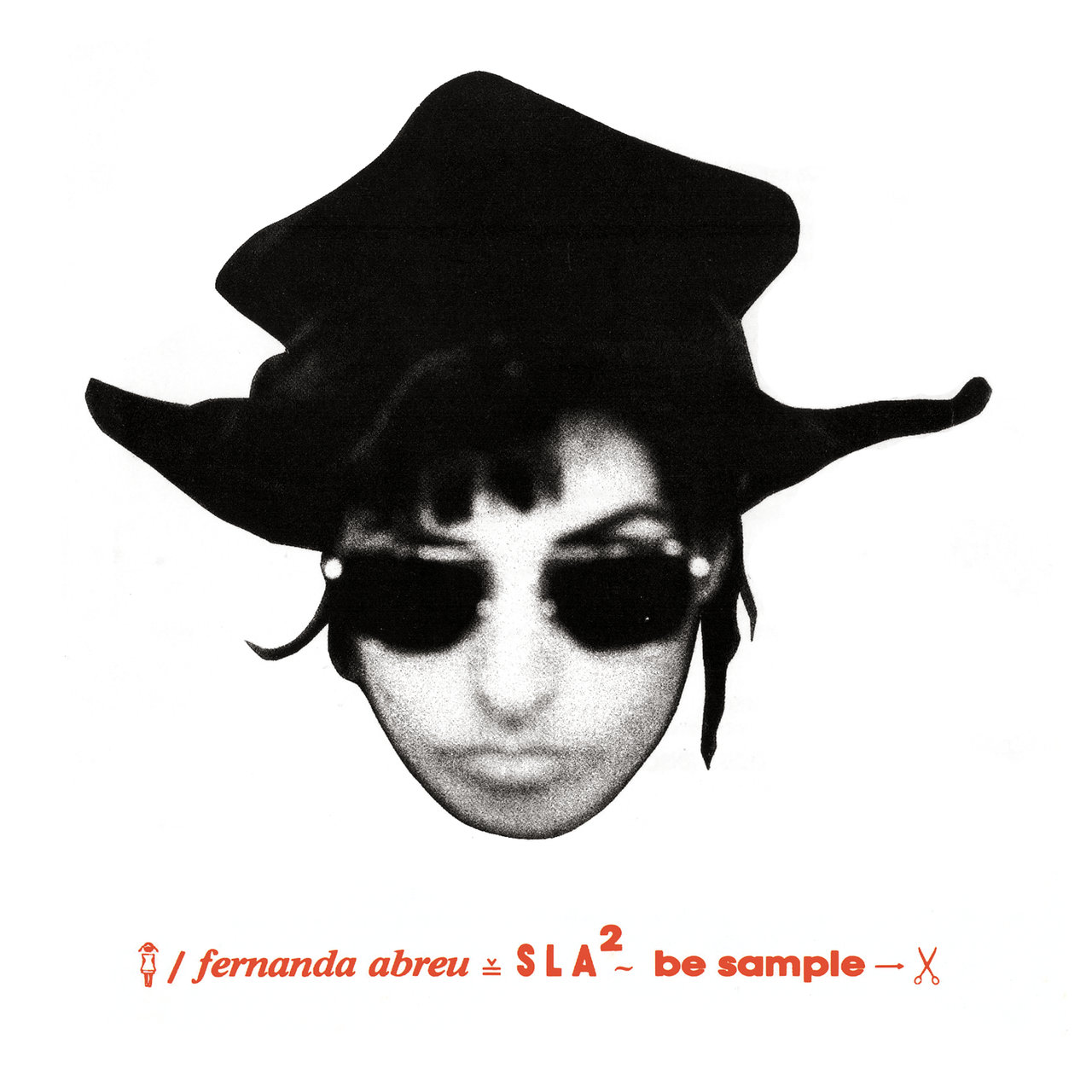
Released in 1992, SLA² ~ Be Sample is the second studio album by the acclaimed Brazilian singer and songwriter Fernanda Abreu, marking a phase of consolidation and deepening of her innovative sound. The record is a landmark in 90s Brazilian pop music, cementing Fernanda Abreu as one of the pioneers to fuse electronic rhythms, funk, and hip-hop with the vibrant Carioca culture. With a bold sonic aesthetic for its time, the album stands out for its extensive use of samplers and programming, creating urban and rhythmic soundscapes that became her signature. SLA² ~ Be Sample not only entertained but also provoked thought, bringing the sounds and narratives of Rio de Janeiro's peripheries to the mainstream and reaffirming the relevance of the 'mother of Brazilian dance pop'.
Context
Prior to SLA² ~ Be Sample, Fernanda Abreu had already established a solid foundation for her solo career with her debut album SLA Radical Dance Disco Club, released in 1990. After her stint as a backing vocalist for the band Blitz in the 80s, she embarked on a visionary solo path, exploring dance music with influences from disco, hip-hop, funk, and soul, a style still nascent in the national scene. The early 90s in Brazil was a period of great musical effervescence, with MPB incorporating elements of pop and rock, and the rise of new genres like funk and electronic music. Fernanda Abreu, with her work, positioned herself in this context as a catalytic force, connecting the Funk Brasil movement from the Carioca favelas to the middle class, acting as a bridge between the 'hill and the asphalt'.
Recording
The production of SLA² ~ Be Sample was a collaborative and modern endeavour, benefiting from Liminha's expertise in production and mixing, and Fernanda Abreu's active participation. She acted as co-producer, responsible for vocal and backing vocal production and arrangements, as well as contributing significantly to the album's conception, arrangements, samplers, and internal collages. The album was recorded in March and April 1992 at Estúdio Nas Nuvens, one of Brazil's most renowned studios. The production team also included Fábio Fonseca in the co-production of several tracks, Sergio Mekler in the conception and editing of interludes, and Chico Neves, who excelled in programming and editing samples. The emphasis on the use of samplers and programming highlights the album's avant-garde approach, which sought new sonic textures for national pop.
Songs
SLA² ~ Be Sample is a melting pot of rhythms and themes celebrating urban life and Carioca culture, with 13 tracks that blend original compositions and re-interpretations. The most prominent song is, without a doubt, "Rio 40 Graus", a collaboration between Fernanda Abreu, Fausto Fawcett, and Carlos Laufer, which became an informal anthem of the city and a powerful portrait of daily Carioca life, innovatively blending hip-hop, disco music, and funk. Other highlights include the vibrant re-interpretation of Jorge Ben Jor's "Jorge de Capadócia", which opens the album with infectious energy. Tracks such as "Hello Baby" and "Do Seu Olhar" were also released as singles, contributing to the work's popularity. The record also features "Be Sample", which reaffirms the album's concept, and "Boogie Oogie Oogie (Disco Classics 2)", a cover of the A Taste of Honey classic, in addition to instrumental interludes that punctuate the sonic narrative.
Legacy
SLA² ~ Be Sample not only consolidated Fernanda Abreu as a central figure in Brazilian music, but also had a lasting impact on national pop culture. The album was a commercial and critical success, and the song "Rio 40 Graus" transcended hit status, becoming a landmark for bringing sounds from the peripheries to the airwaves and establishing Fernanda as an icon of dance pop music. The work reaffirmed Fernanda Abreu's artistic vision of exploring sensual intelligence and genre fusion, influencing generations of artists and contributing to the diversification of the Brazilian music scene in the 90s. Her pioneering approach to using samples and creating a distinctly Brazilian pop sound earned her the title of "godmother of Funk Carioca".
Tracks
Credits
Jorge Davidson
Fernanda Abreu, Fábio Fonseca
Andréa Alves
Liminha
Felipe Abreu, Fernanda Abreu
Chico Neves, Fernanda Abreu, Sergio Mekler
Chico Neves
Chico Neves, Fernanda Abreu, Sergio Mekler
Chico Neves
Liminha, Vitor Farias
Brad Gilderman, Renato Luiz
Marcio Paquetá
Guilherme Calicchio, Marcio Paquetá
Marcello Rosauro
Fernanda Abreu
Luiz Stein
Egeu Laus
Flávio Cocker
Books
Analyses
SLA² ~ Be Sample – Wikipedia
Wikipedia, the free encyclopaedia
SLA 2 Be Sample (1992) Fernanda Abreu - by Luciano Siqueira
meusdozemais.substack.com
The very Rio de Janeiro-native Fernanda Abreu had already tasted success during her time with Blitz, a band she stayed with until 1986, when, in 1990, she released her first solo album: Sla Radical Dance Disco Club, a landmark in Brazilian music.

"SLA 2 Be Sample" (EMI, 1992), Fernanda Abreu - Blogger
discosessenciais.blogspot.com
For the creation of her highly anticipated second album, Fernanda Abreu had the support of important figures such as producer Liminha and keyboardist Fábio Fonseca in the production of SLA 2 Be Sample.
Encarte: Fernanda Abreu - SLA 2: Be Sample - Encartes Pop
encartespop.com.br
SLA 2: Be Sample (Sigla Latina do Amor) was released in 1992, also featuring tracks like "Jorge da Capadócia", "Hello Baby" and "Do Seu Olhar". This album is the most successful in the singer's discography.