Francis Albert Sinatra & Antonio Carlos Jobim
Frank Sinatra e Tom Jobim
1967

Rankings
Why This Album Matters
Francis Albert Sinatra & Antonio Carlos Jobim, released in 1967, represents a landmark in the discographies of both artists, uniting Frank Sinatra's iconic voice with Tom Jobim's melodic genius. This album is an extraordinary collaboration that delves into the richness of bossa nova, presenting both acclaimed compositions from the genre and classics from the 'Great American Songbook' reinterpreted with bossa nova arrangements. The delicacy of Claus Ogerman's arrangements and the mastery of those involved resulted in a serene and sophisticated work, standing out for its subtle and textured approach. The fusion of the American crooner with the Brazilian musical style not only celebrated bossa nova but also created a work of rare beauty, appreciated for its depth and musical elegance.

If the bossa nova movement had only produced this album, it would already be fully justified.
Antônio do Amaral Rocha · Rolling Stone Brasil
Context
By 1967, bossa nova was already enjoying great popularity among jazz and traditional pop audiences, but Frank Sinatra had not yet extensively explored Brazilian-influenced material. Sinatra, therefore, decided to record an entire bossa nova album with the genre's principal composer, Antonio Carlos Jobim. Jobim, in turn, was at the epicentre of a global bossa nova fever, driven by the success of Getz/Gilberto. For many in Brazilian music, the collaboration with Sinatra was a validation and the culmination of long-cherished dreams in the clubs of Rio. Curiously, Jobim had to await Sinatra's return from a holiday in Barbados, where the American singer was on a mutually agreed 'break' from his marriage to Mia Farrow, before the recording sessions began.
Recording
The album was recorded on 30th January and 1st February 1967, at United Western Recorders, in Hollywood, Los Angeles. The session featured Frank Sinatra on vocals and Antonio Carlos Jobim on piano, guitar, and backing vocals. Claus Ogerman was the maestro and responsible for the arrangements, conducting a studio orchestra. Dom Um Romão contributed drums, adding to the authentic Brazilian vibe. Other musicians and lyricists, such as Al Viola (unofficially credited, due to a difficulty Jobim had on the track 'Change Partners'), Aloysio de Oliveira, and Ray Gilbert, were also present at the sessions, ensuring the authenticity and quality of the production.
Songs
Francis Albert Sinatra & Antonio Carlos Jobim features a careful selection of songs, with seven original compositions by Jobim and three classics from the "Great American Songbook" rearranged in the bossa nova style. Highlights from the American songbook in bossa nova attire include "Change Partners", "I Concentrate on You", and "Baubles, Bangles and Beads". Jobim's compositions include classics such as "The Girl from Ipanema", "Dindi", "How Insensitive" ("Insensatez"), "Quiet Nights of Quiet Stars" ("Corcovado"), and "Meditation" ("Meditação"). Sinatra demonstrated remarkable respect for Jobim's compositions, singing softly and with restraint so as not to detract from the subtlety of the songs. Sinatra's interpretation alternates English with Jobim singing in Portuguese, creating a true collaboration that enriches the listening experience.
Legacy
The album achieved commercial success, reaching position 19 on the pop charts and remaining on the Billboard list for 28 weeks. In 1968, Francis Albert Sinatra & Antonio Carlos Jobim was nominated for the Grammy for Album of the Year, although it lost to The Beatles' acclaimed Sgt. Pepper's Lonely Hearts Club Band. The album's success led to a sequel, Sinatra-Jobim, recorded in 1969 and briefly released in 1970, but withdrawn from the market at Sinatra's request due to concerns about its sales potential. Many of these songs were later incorporated into the 1971 album Sinatra & Company. In 1979, a compilation titled Sinatra-Jobim Sessions was released in Brazil, compiling the work of both artists, and in 2010, Sinatra/Jobim: The Complete Reprise Recordings offered a comprehensive compilation of the sessions. The album's impact is long-lasting, considered by many to be one of Sinatra's most rewarding works of the 1960s.
Tracks
Credits
Claus Ogerman
Ray Gilbert
Sonny Burke
Frank Sinatra
Dom Um Romao
Antonio Carlos Jobim
Lee Herschberg
Ed Thrasher
Stan Cornyn
John Bryson
Podcasts
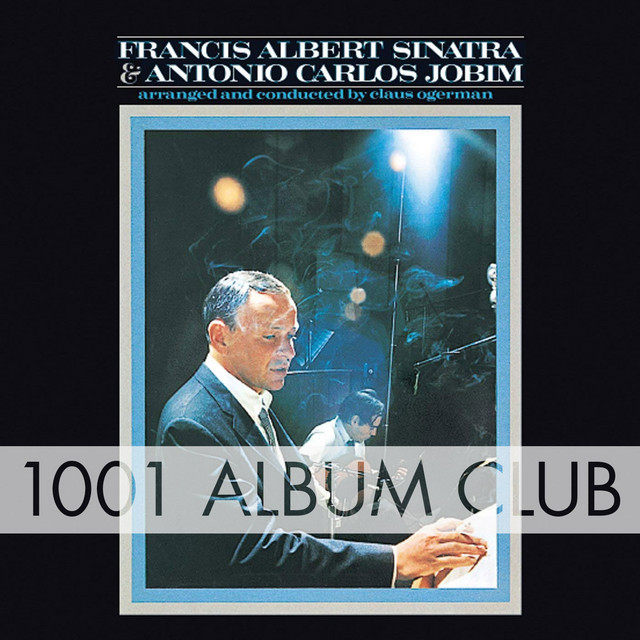
1001 Album Club · Birch
By 1967, bossa nova had become quite popular within jazz and traditional pop audiences, yet Frank Sinatra hadn't attempted any Brazil-influenced material. Guess what happens next...
Videos
3000 Best Albums [1953] Francis Albert Sinatra and Antonio Carlos Jobim (1967) Mini Album Review
Dan's Mini Album Reviews
Books
Os 500 Maiores Álbuns Brasileiros de Todos os Tempos
Ricardo Alexandre · 2022
The largest Brazilian music election ever conducted: 162 specialists, spanning journalists, critics, musicians, producers and podcasters, each nominated 50 essential albums, supported by a masterlist of more than 2,000 works. Led by Ricardo Alexandre with tabulation by Sérgio Jomori, it was published in December 2022 as a 200-page hardcover book with graphic design by Fernando Pires.

Frank Sinatra
Spencer Leigh · 2015
Frank Sinatra: An Extraordinary Life is a definitive account of Frank Sinatra's life and career. With unique material and exclusive interviews with other musicians, promoters and friends, acclaimed author Spencer Leigh has written a captivating biography of one of the world's greatest stars. It is highly probable that this comprehensive biography dedicates significant content to the collaborative album with Antonio Carlos Jobim, a landmark in Sinatra's career.
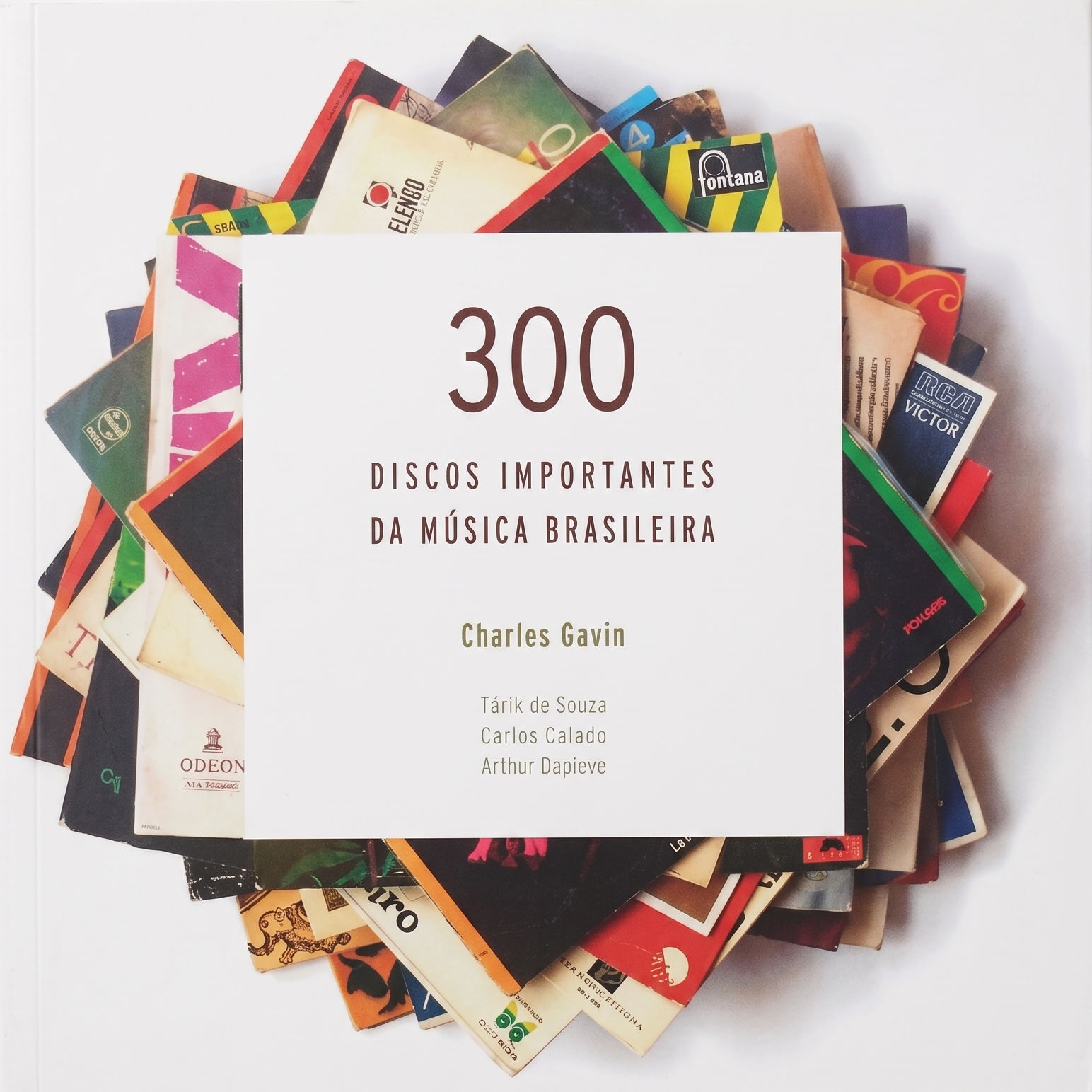
300 Discos Importantes da Música Brasileira
Charles Gavin, Tárik de Souza, Carlos Calado, Arthur Dapieve · 2008
Conceived by Titãs drummer and musical researcher Charles Gavin, the 434-page book brings together covers and reviews of albums released between 1929 and 2007. The texts were written by journalists Tárik de Souza, Arthur Dapieve and Carlos Calado.
Analyses
Francis Albert Sinatra & Antonio Carlos Jobim – Wikipedia
Wikipedia, the free encyclopaedia

Tom Jobim e Frank Sinatra | Evan do Carmo
blogdoevandocarmo.wordpress.com
The partnership between Jobim and Sinatra resulted in one of the most acclaimed albums in music history, "Francis Albert Sinatra & Antonio Carlos Jobim", released in 1967. This album was a masterful fusion of Sinatra's sophisticated style and the smoothness and seductive rhythms of Jobim's Bossa Nova.
Bossa nova ganha projeção internacional: Quando Tom Jobim e Sinatra se ...
aventurasnahistoria.com.br
The album's recording. Thus, on 30 January 1967, the recording sessions commenced for the album that would become known as "Francis Albert Sinatra & Antonio Carlos Jobim" and would bring together great hits by Tom and American music. "At that time, recording with Frank Sinatra, the voice of the century, was a major honour. Even more so because it was the first album that..."