Samba É no Fundo de Quintal
Fundo de Quintal
1980

Rankings
Why This Album Matters
Samba É no Fundo de Quintal, released in 1980, is the debut album that marked a turning point in the history of Brazilian samba. The inaugural work by the group Fundo de Quintal introduced a revolutionary sound, which would become the cornerstone of pagode, a fundamental branch of the genre. This record is an authentic expression of samba de raiz, with infectious vocal arrangements and a percussive richness that distinguishes it. The album introduced a renewed musical language, characterised by an interpretive style firmly anchored in the partido alto tradition, but with instrumental innovations that made it unique. The batucada present, with the additions of the tantã, repique de mão, and four-string banjo, gave samba a new cadence and harmony, transforming the aesthetics of both live rodas and studio recordings.
Context
Fundo de Quintal emerged in the 1970s from the legendary samba rodas of the Carnival bloc Cacique de Ramos, in Rio de Janeiro. This association, created in 1961 by Bira Presidente, Ubirany, and Sereno, was a hotbed of talent and a laboratory for musical experimentation. The informal gatherings, held on Wednesdays, were open and attracted various composers, who would present both acclaimed sambas and their own creations there. The group's visibility increased when the renowned singer Beth Carvalho, with the endorsement of music producer Rildo Hora, invited the Cacique musicians to participate in the recording of her LP De Pé No Chão. Shortly after, the RGE record label invited Fundo de Quintal for their own debut album. The initial line-up for the group on this record included Bira Presidente, Ubirany, Sereno, Neoci, Almir Guineto, Jorge Aragão, and Sombrinha.
Recording
The album Samba É no Fundo de Quintal was released in 1980 by the RGE record label. The record's production was credited to Rildo Hora, a figure of great relevance in the Brazilian music scene. The recording took place after the group's successful participation in Beth Carvalho's LP De Pé No Chão, which had already generated great expectation surrounding their original work. This release represented the materialisation of the innovations the group had been developing in the Cacique de Ramos rodas, translating the energy and originality of their live performances to the studio. The meticulous production sought to capture the essence of the new samba language, valuing the sound of the innovative instruments.
Songs
Composed of twelve tracks, the album features a repertoire that includes songs such as “Você Quer Voltar”, “Sou Flamengo, Cacique e Mangueira”, “Prazer da Serrinha”, and “Olha a Intimidade”. The song lyrics frequently connect with the reality experienced by more humble communities, making the narrative relatable and identifiable for the public. The distinctiveness of the record also lies in the instrumentation that became the group's trademark. The tantã, created by Sereno, replaced the surdo for the bass marking, while the repique de mão, invented by Ubirany, added new percussive nuances. The four-string banjo, adapted by Almir Guineto with the neck of a cavaquinho, allowed for a string instrument with greater volume, standing out in the percussive sound mass and developing a fast and original beat.
Legacy
Samba É no Fundo de Quintal was warmly received by Brazilian music critics, consolidating Fundo de Quintal as one of the genre's foremost references. The commercial success of the album and the group's subsequent works was fundamental for the affirmation of *pagode* as a new and thriving branch of samba on the Brazilian music scene in the 1980s. The aesthetic established by the group, with its instrumental innovations and a fresh interpretive approach, decisively influenced practically all pagode bands that emerged subsequently. Fundo de Quintal became a true cradle of samba masters, with several of its members, such as Jorge Aragão, Almir Guineto, and Sombrinha, developing highly successful solo careers. The album is recognised as a landmark and a reference for many samba groups to this day.
Tracks
Videos
92 - FALSO HERÓI (Bicudo/D.Falcão/C.Augusto), gravado por Fundo de Quintal (1996): Análise Harmônica
Bentok Guitar - Análises e Cifras
Books
Mussum
Juliano Barreto · 2023
Antonio Carlos Bernardes Gomes, better known as Mussum, was and still is one of Brazil's most beloved artists. Even three decades after his death and the end of Os Trapalhões, his name is remembered by admirers from all corners of the country. The result of intense research and interviews with close acquaintances, this biography details Mussum's life and career, including his fundamental role as one of the founding members of the group Fundo de Quintal, during which the album 'Samba É no Fundo de Quintal' was released.
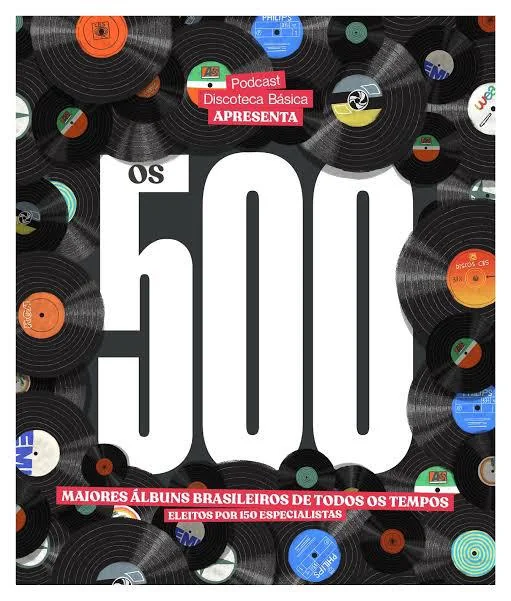
Os 500 Maiores Álbuns Brasileiros de Todos os Tempos
Ricardo Alexandre · 2022
The largest Brazilian music election ever conducted: 162 specialists, spanning journalists, critics, musicians, producers and podcasters, each nominated 50 essential albums, supported by a masterlist of more than 2,000 works. Led by Ricardo Alexandre with tabulation by Sérgio Jomori, it was published in December 2022 as a 200-page hardcover book with graphic design by Fernando Pires.
Analyses
Grupo Fundo de Quintal - Samba É No Fundo Do Quintal (1980)
toque-musicall.com
Hello, cultured and hidden friends! Here we are with another samba album. This time we have the group Fundo de Quintal, which has already had another of its albums published here. Fundo de Quintal is a pagode group formed in the late 70s. It emerged from the carnival block Cacique de Ramos.
Fundo de Quintal tem obra regravada por vozes da MPB, do samba e ... - G1
g1.globo.com
In 1980, two years after Beth Carvalho's historic album, Fundo de Quintal released their first album, Samba é no fundo do quintal, with the endorsement of the singer, who was the group's artistic godmother.
Grupo Fundo de Quintal: O Som que Mudou o Samba Brasileiro
sambadebamba.com.br
In 1980, the record label RGE released the group's first official album, "Samba é no Fundo de Quintal", which introduced the group's definitive name to the world and made it, once and for all, part of the history of Brazilian music.
Samba é no Fundo de Quintal - Vol. 01 - Ouvir Música
ouvirmusica.com.br
Come and listen to "Você Quer Voltar", "Sou Flamengo, Cacique e Mangueira", "Prazer da Serrinha" and many other songs from the album Fundo de Quintal - Samba é no Fundo de Quintal - Vol. 01!
Letras de Samba do Fundo de Quintal | PDF - Scribd
pt.scribd.com
The document presents song lyrics by the group Fundo de Quintal, covering various themes such as love, longing, and life in the favela. Each song is accompanied by information about the author, key, and introduction, reflecting the rich culture of samba.