Seja Você Mesmo (Mas Não Seja Sempre O Mesmo)
Gabriel O Pensador
2001
Rankings
Why This Album Matters
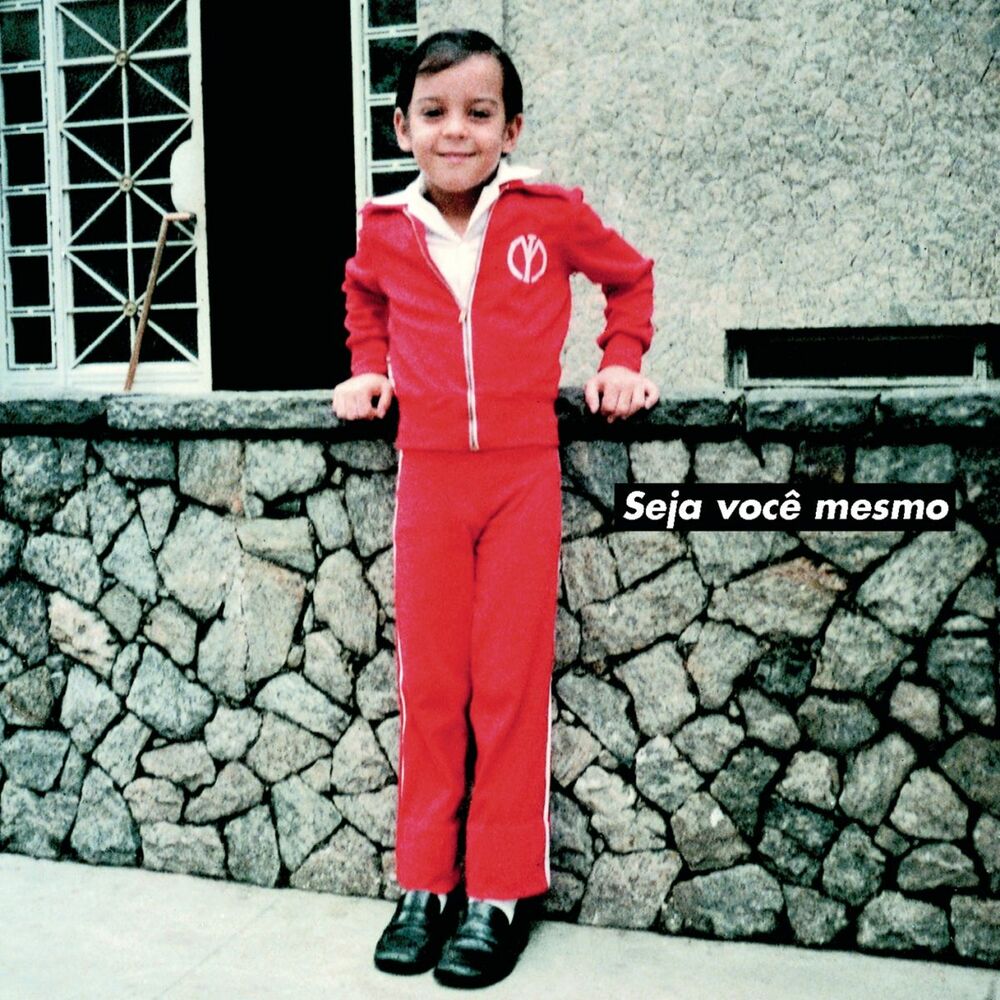
Seja Você Mesmo (Mas Não Seja Sempre o Mesmo) is the fifth studio album by Brazilian rapper Gabriel, o Pensador, released in 2001, marking a notable turning point in his career. The work stands out for the artist's more reflective intention, as he sought to incite critical thinking and a desire for change in his audience, addressing social and political themes with renewed vigour. This album is frequently described as a politicised treatise on citizenship, X-raying the exposed fractures of an unjust society. One of the album's most striking characteristics is the inclusion of guitars in its sound, a suggestion from producer Itaal Shur, which gave the album a 'heavier' timbre compared to his previous works. Although it retains familiar elements from his past records, this fusion of hip-hop with rock and other rhythms such as samba and funk created a rich sonic landscape, praised by critics. The visual concept of the cover, which juxtaposes the image of Gabriel as a child and as an adult in the same location, complements the proposal for reflection on time and identity.
Context
Before Seja Você Mesmo (Mas Não Seja Sempre o Mesmo), Gabriel, o Pensador had already consolidated his position as a prominent artist in the Brazilian music scene with the success of his previous album, Nádegas a Declarar, which achieved gold status. However, during this period, Gabriel was immersed in a profound obsession with instigating people to think, protest, and desire social change. He felt the need to express his criticisms with greater vehemence, using music as a tool to amplify his message. The artist perceived that, despite his hope for transformation, the country's reality seemed to worsen, reaching an unbearable limit. This perception led him to a scathing critique of the situation, especially concerning Brazilian society's conformism in the face of scandals and tragedies, a sentiment he expressed incisively in songs like "Até Quando?".
Recording
The production of Seja Você Mesmo (Mas Não Seja Sempre o Mesmo) featured a heavyweight team, including Itaal Shur, Liminha, and Chico Neves. Itaal Shur's direction was particularly influential on the album's sound, as he was responsible for suggesting the incorporation of guitars, which resulted in a more robust and rock-oriented sound on several tracks. Although this was a novelty, Gabriel, o Pensador made sure to emphasise that the album was not limited to rock but presented a fusion of styles. The recording process was also marked by significant collaborations. The song "Tem Alguém Aí?" featured the participation of Digão, guitarist from the band Raimundos, adding a distinct touch to the track. As for the song "Brasa", Gabriel shared vocals with Lenine, further enriching the project's musical diversity.
Songs
The album explores a wide range of styles and themes, distinguished by its sonic fusion and incisive lyrical content. Tracks like "Se Liga Aí", "Pega Ladrão!", and "Até Quando?" incorporate the new 'heavier' sound with guitars, while "É Pra Rir Ou Pra Chorar?", "Sem Parar", and "Mário" maintain a sound closer to Gabriel's previous works. Rhythmic diversity manifests with the weight of samba instruments in "Até Quando?", funk in "Sem Parar", and swing in "É pra Rir ou pra Chorar?". Lyrically, the album is a manifesto. "Se Liga Aí" is a letter of principles about freedoms, with rock riffs and energetic vocals, followed by "Até Quando?", which directly criticises social conformism. "Ãh" subtly addresses alienation, while "Pega Ladrão!" delivers criticisms of Brazilian politics. Digão's participation in "Tem Alguém Aí?" reinforces the message about drug dependence and its motives, with the assistance of psychiatrist Merinho Pereira for the composition. Mocking cynicism marks "É pra Rir ou pra Chorar?", while "Sem Parar" celebrates overcoming challenges. "Mário" advocates for the politicisation of citizens, and "Brasa", featuring Lenine, explores the complex relationship of Brazilians abroad with their country. "Sei Lá" offers a reflective pause on heartbreak.
Legacy
Seja Você Mesmo (Mas Não Seja Sempre o Mesmo) received a largely positive critical reception and achieved considerable commercial success, selling 100,000 copies by September 2001. Critics generally praised Gabriel, o Pensador's boldness in incorporating rock elements and guitars, qualifying the album as his 'heaviest' work to date, and highlighting producer Itaal Shur's contribution as a 'significant bonus' for the sound. Cassia Dian, from IstoÉ Gente magazine, considered the change in artistic direction positive, evaluating the album as the best of the artist's career and praising songs like "Se Liga Aí" and "Até Quando?". Mauro Ferreira highlighted the power of the guitars in "Se Liga Aí" and Gabriel's ability to 'hit a nerve' in "Tem Alguém Aí?". Writer Affonso Romano de Sant'Anna recognised the genius of the album's title, comparing Gabriel to the repentistas (improvised poets) for the apparent contradiction that, in fact, doubles the message. Rodrigo Simas, from Whiplash.net, praised the singer's change in behaviour and the quality of the compositions. Although Marco Antonio Barbosa, from CliqueMusic, pointed out a lack of humour in some lyrics, he recognised that the album delivers what fans expect, highlighting the 'true emotion' in "Brasa" and the importance of the social criticisms.
Tracks
Credits
Liminha, Ronaldo Viana
Chico Neves, Itaal Shur, Liminha
Augusto Ferreira, Eduardo Pop, Fernando Rebelo, Marcito Vianna
Ricardo Garcia
Alvaro Alencar, Chico Neves, DJ Memê, Hiroyuki Sanada, Liminha, Luis Claudio Varella, Vitor Farias
Christian Camilo Hernandez, Enrico De Paoli, Hiroyuki Sanada, Jorge Guerreiro, Julius Cesar, Liminha, Luis Claudio Varella, Pedro Burckauser, Vitor Farias, Éber Marcos
Bruno Batista
Gabriel O Pensador
LSD, Victor Hugo Cecatto
Neilson Leal
Guto Costa
Gabriel O Pensador
Cristina Veneu, Fernando Dias
Simone Rodrigues
Analyses
Seja Você Mesmo (Mas Não Seja Sempre O Mesmo) – Wikipedia
Wikipedia, the free encyclopaedia
Gabriel O Pensador - Seja Você Mesmo (Mas Não Seja Sempre O Mesmo)
albumoftheyear.org
"Seja Você Mesmo (Mas Não Seja Sempre O Mesmo)" is an album released by Gabriel O Pensador on 15 May 2001, receiving a score of 80. In this work, Gabriel continues to explore a variety of social and personal themes, combining intelligent lyrics with catchy beats.
Encarte: Gabriel O Pensador - Seja Você Mesmo (mas Não Seja Sempre o ...
encartespop.com.br
Critically acclaimed, the album is considered more "heavy" for incorporating guitars into the arrangements. However, Gabriel also delivered the sound already familiar to his audience.
Seja Você Mesmo (Mas Não Seja Sempre O Mesmo) (2001) - Gabriel o ...
vaihiphop.com.br
What did you think of Gabriel O Pensador's album, Seja Você Mesmo (Mas Não Seja Sempre O Mesmo)? Learn about its history and lyrics, find out where to listen, and leave your opinion!
"Seja Você Mesmo": a história de um marco do Rap Nacional
tenhomaisdiscosqueamigos.com
In 2021, Gabriel O Pensador reaches the important 20-year mark of his fifth studio album, Seja Você Mesmo (Mas Não Seja Sempre o Mesmo). On the album, the rapper blends Hip Hop elements with Rock guitars, Funk elements and many influences of MPB.