Fantasia
Gal Costa
1981

Rankings
Why This Album Matters
Gal Costa was already one of the most emblematic voices in Brazilian music, and in 1981, with Fantasia, she further solidified her position, delivering a work of notable eclecticism and sophistication. The album stands out as a true celebration of Brazil's rhythmic and melodic diversity, masterfully navigating genres such as vibrant frevos, nostalgic marchinhas, grand sambas-exaltação, and captivating ballads. The choice of repertoire is one of Fantasia's great strengths, balancing contemporary compositions by names like Caetano Veloso and Djavan with re-recordings of classics from the 1940s. This bridge between the past and present of Brazilian music, combined with Gal's unique and powerful interpretation, lends the album a timeless freshness and elevates it to the status of an essential work in her discography and in MPB of that era.
Context
In the early 1980s, Brazil was experiencing a period of political "opening", with the gradual relaxation of censorship and the emergence of new cultural expressions. Gal Costa, already established since Tropicália and with a series of successes in her career, was moving towards a phase of greater popular appeal and experimentation within a more accessible sound, without losing her essence. With grand shows and a striking stage presence, the artist had already demonstrated her versatility over the years, transitioning from experimentalism to romanticism. Fantasia arrived in this scenario, consolidating a Gal Costa who, without losing her avant-garde essence, embraced a repertoire that engaged with different generations and tastes, reaffirming her status as an MPB diva.
Recording
The sonic conception of Fantasia was a highlight, with arrangements carefully crafted by conductors Lincoln Olivetti and Gilson Peranzetta. Olivetti, known for his sophisticated pop touch, brought a modern, radio-friendly sound to the tracks, while Peranzetta, with his expertise in jazz and MPB, contributed more elaborate textures and rich harmonies. This partnership of talents, under the production of Mariozinho Rocha, Guilherme Araújo, and Gal Costa, resulted in an impeccable production that expertly highlighted the singer's voice in each musical genre, from the vibrant frevos to the more intimate ballads. The arrangement work was crucial for weaving the diversity of the repertoire into a cohesive album of high technical standard, characteristic of the major Polygram/Philips productions of that era.
Songs
The selection of music on Fantasia is a panorama of Brazil's melodic richness, with ten songs encompassing various genres. The album opens with the festive "Festa do Interior", a frevo by Moraes Moreira and Abel Silva that would become one of Gal's biggest successes, and includes the poetic "Meu Bem, Meu Mal" by Caetano Veloso, both released as singles before the main album. Djavan is represented by two of his beautiful compositions, "Faltando um Pedaço" and "Açaí", the latter featuring special guest Roupa Nova, already having some prior recognition. The foray into samba-exaltação is marked by the timeless "Canta Brasil", by David Nasser and Alcyr Pires Vermelho, a re-recording that would become iconic in Gal's voice, even serving as a telenovela opening theme years later. Other highlights include "Roda Baiana", the first collaboration by Ivan Lins and Vitor Martins recorded by the singer, and compositions by Caetano Veloso such as "Massa Real" and "Tapete Mágico", demonstrating the richness and breadth of the repertoire.
Legacy
Fantasia achieved tremendous success, solidifying its place as one of the greatest commercial successes of Gal Costa's career, with over 500,000 copies sold in Brazil and earning a platinum disc, the third in her discography to achieve such a feat. The singles "Festa do Interior" and "Meu Bem, Meu Mal" anticipated the impact, with "Festa do Interior" achieving a gold disc for over 100,000 sales. Critical reception was equally warm, with publications such as the Correio do Norte newspaper from Santa Catarina considering it the biggest release of the year, and O Cruzeiro magazine, through Jorge Segundo, electing it the album of the year. The Diário da Manhã newspaper from Pernambuco and Folha Regional from Caxias do Sul also included it in their lists of the best of 1981, praising the repertoire selection and Gal's vocal performance. The album's longevity is attested to by the re-recording of "Canta Brasil", which would later be used as the opening theme for the telenovela "Deus nos Acuda" on TV Globo in 1992, introducing the song to a new generation. The 'Fantasia' and 'Festa do Interior' tours, although the former faced initial technical challenges, were crucial for the album's promotion and reaffirmed Gal Costa's power on Brazilian and international stages.
Tracks
Credits
Mariozinho Rocha
Gal Costa, Guilherme Araujo, Mariozinho Rocha
Oberdan Magalhães
Leo Gandelman
Arthur Maia
André Tandeta
Tavinho Bonfá, Victor Biglione
Robson Jorge
Túlio Mourão
Celso Woltzenlogel, Ricardo Pontes
Lincoln Olivetti
Braz Limonge Filho
Chico Batera, Peninha
Gilson Peranzzetta
Zé Carlos
Serginho Do Trombone
Bidinho, Marcio Montarroyos
Jairo Gualberto
Luigi Hoffer
Lielzo Azambuja
Podcasts
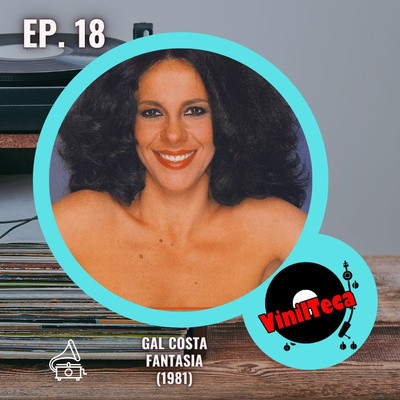
Vinilteca · José Ono Junior e Guilherme Colpani
Em 1981, Gal Costa sofreu duras críticas ao show "Fantasia" que estreou no Canecão, no Rio de Janeiro. No mesmo ano, ela iria para o estúdio gravar um disco de mesmo nome com as músicas inéditas apresentadas no show. Gal deu a volta por cima e lançou um dos melhores álbuns da sua discografia. A Vinilteca é um projeto que nasceu no YouTube em 2016 e migrou para o rádio e para o podcast, com aprese
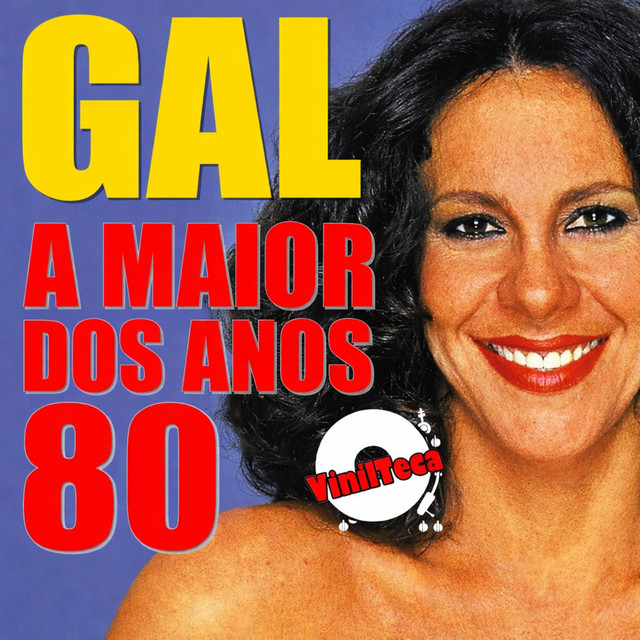
Vinilteca · José Ono Junior e Guilherme Colpani
Gal Costa se consolidaria como uma das maiores vozes femininas do Brasil nos anos 80, garantindo sucesso de crítica e de público e, enfim, atingindo as grandes massas com seu canto. Mas, em 1981, ela iria do inferno ao céu, com um show desastroso e um disco aclamado. Relembramos o álbum "Fantasia", lançado em 1981, um dos mais importantes da sua carreira.#galcosta #mpb #anos80 #vinilteca #músicabr
Videos
"Fantasia" - Gal Costa | Melhores discos brasileiros dos anos 80 | Alta Fidelidade
Alta Fidelidade
Analyses
Fantasia – Wikipedia
Wikipedia, the free encyclopaedia

Grandes Discos Brasileiros | 'Fantasia' - Gal Costa (1981)
colunablah.blogspot.com
The album we are going to talk about is Fantasia, which is a more romantic, mature, solid work, well-aligned with a selected band that delivered excellent, tasteful work. The story of this album began with a tour bearing the name that would later be given to the album.

Gal Costa (Fatal): 1981 - Disco: Fantasia
galcostafatal.blogspot.com
The album, however, unlike the show, was not only one of the most commercially successful of Gal Costa's career, but also an immense critical success, having received several awards, including Best Album of the Year, awarded by the Associação Paulista de Críticos de Arte, APCA.
Gal Costa - Fantasia - Reviews - Album of The Year
albumoftheyear.org
'Fantasia' is one of Gal's biggest albums commercially. It was a national and international success. It had a tour which was slated at the time, but which today we know was sabotage, and even that occurring didn't prevent this album from becoming a classic.
FANTASIA - Discografia Brasileira
discografia.discosdobrasil.com.br
Share: Fantasia Artist: Gal Costa Feature: vocal Label: Polygram/Philips Producer: Mariozinho Rocha/Guilherme Araújo/Gal Costa Formats: LP (1981) / CD (1988) Release: 1981 Note: The album's technical sheet lacks credits for the musicians who participated, but credits the make-up artist for the cover photo.