Bicho de 7 Cabeças
Geraldo Azevedo
1979

Rankings
Why This Album Matters
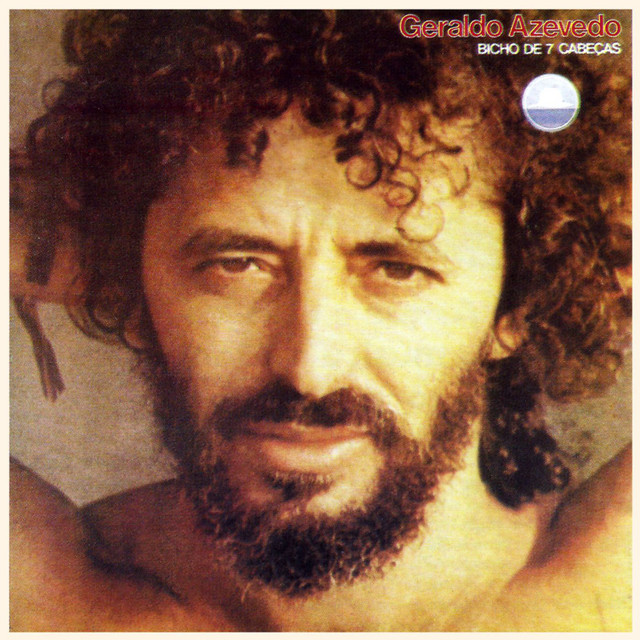
Released in 1979, Bicho de 7 Cabeças is one of the most expressive works in Geraldo Azevedo's discography, solidifying his identity as one of the great composers and interpreters of Brazilian Popular Music. The album emerges with a sound that skilfully blends the artist's deep Northeastern roots with a universal melodic sensibility, characteristic of his style. This album stands out for the combination of intricate harmonies, Geraldo's agile guitar playing, and the poetry of his lyrics, which traverse between the lyrical and the social. It offers a rich musical journey, where the spontaneity of popular song meets refined arrangements, reaffirming Azevedo's virtuosity and creativity during an effervescent period of Brazilian music.
Context
Before Bicho de 7 Cabeças, Geraldo Azevedo had already built a notable career in music. He began his professional career at 18 in Recife and subsequently moved to Rio de Janeiro, where he joined groups such as 'Construção' and founded 'Quarteto Livre'. His solo discography began with an eponymous album in 1977, preceded by a collaboration with Alceu Valença in 1972, titled Quadrafônico. The late 1970s marked a period of ascent for Northeastern music, with record labels and radio stations dedicating greater attention to artists from the region. In this propitious scenario, Geraldo Azevedo, already considered a promise of regional music, released Bicho de 7 Cabeças, demonstrating influences ranging from João Gilberto and Tom Jobim to Caetano Veloso, Gilberto Gil, and The Beatles, forging a unique sound.
Recording
Bicho de 7 Cabeças was recorded in 1979 and released by CBS/Epic. The recording process featured a stellar cast from Brazilian music, which enriched the album's sound. Collaborators included Dori Caymmi, Zé Ramalho, Dominguinhos, Danilo Caymmi, Robertinho de Recife, Amelinha, and Elba Ramalho. Specific production details include the presence of Dominguinhos and Sivuca on accordion, and Zé Ramalho on 10-string guitar. The album also incorporated string arrangements, with the participation of Jorge Hundert Ranevsky, Ibere Gomes Grosso, and Alceu de Almeida Reis on violins, violas, and cellos, respectively. An interesting fact is the special participation of Dona Nenzinha do Jatobá, Geraldo's mother, on the track "Natureza Viva".
Songs
The album features a diverse and striking repertoire. Among the compositions that became pillars of Geraldo Azevedo's career, "Táxi Lunar", a collaboration with Alceu Valença and Zé Ramalho, and "Bicho de 7 Cabeças II", written in partnership with Zé Ramalho and Renato Rocha, stand out. The title track, in particular, is an example of Geraldo's guitar virtuosity and his lyrics that explore themes of incomprehension and misalignment. Other notable moments include the interpretation of "Paula e Bebeto", by Caetano Veloso and Milton Nascimento, and the aforementioned "Natureza Viva", which gains a special touch from his mother's vocal participation. The album also brings together songs such as "Veneza Americana", "Semente de Adão", "O Menino e os Carneiros", "Asas de Verão", "Grande Momento", "Meu Pião / Águas de Março", and "Arraial dos Tucanos", which collectively illustrate the artist's lyrical depth and melodic richness.
Legacy
Bicho de 7 Cabeças is frequently recognised as a watershed moment in Geraldo Azevedo's professional career. The songs "Táxi Lunar" and "Bicho de 7 Cabeças" transcended the album, becoming constant presences in his live shows over decades and reaching different generations of listeners. The repercussion of the song "Bicho de 7 Cabeças" was so significant that it inspired the title of the acclaimed eponymous 2001 film, directed by Laís Bodanzky. The album is consistently ranked among Geraldo Azevedo's most important works in various lists and reviews, being considered one of the most significant in his discography. Contemporary critics received it as an 'excellent work', consolidating Geraldo Azevedo's position within the MPB scene.
Tracks
Credits
Marcelo Falcão
Carlos Alberto Sion
Geraldo Azevedo
Dominguinhos, Sivuca
Zé Ramalho
Chico Julien, Jamil Joanes, Luiz Alves, Novelli
Elber Bedaque, Paulinho Braga, Robertinho Silva
Antonio Adolfo
Novelli
Robertinho De Recife
Luiz Simas
Chico Batera, Robertinho Silva, Sérgio Boré
Nivaldo Ornelas
Andy Mills
Andy Mills, Eugênio Carvalho, Jardel Leão
Alvaro de Souza
Cafi
Podcasts
PodCália · Gigola
No décimo episódio do “especial anos 70” do PodCália, o ano é “1979”.O disco é: "Bicho de 7 cabeças", de Geraldo Azevedo.
Videos
BICHO DE SETE CABEÇAS | Crítica do Filme | Cinema Nacional #3
16 mm
Books
Álbum 3 – 1978 a 1993
Pedro Alexandre Sanches · 2024
This volume is part of the 'Álbum' series, which proposes to tell the story of Brazilian music through its records. The book focuses on releases between 1978 and 1993, a period that covers Geraldo Azevedo's album 'Bicho de 7 Cabeças' (1979), promising in-depth analyses of significant albums of the era.
Os 500 Maiores Álbuns Brasileiros de Todos os Tempos
Ricardo Alexandre · 2022
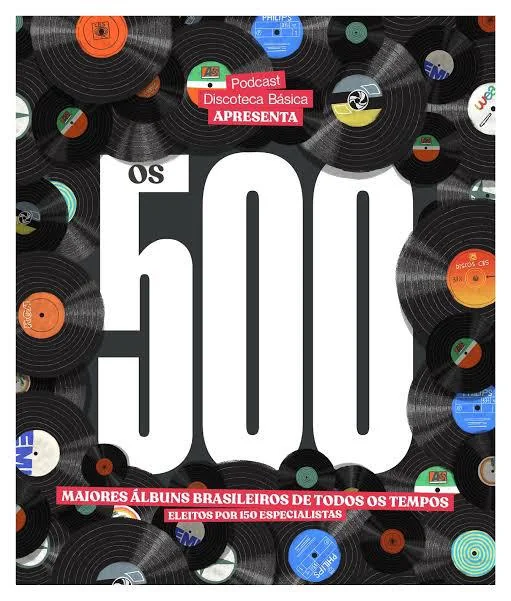
The largest Brazilian music election ever conducted: 162 specialists, spanning journalists, critics, musicians, producers and podcasters, each nominated 50 essential albums, supported by a masterlist of more than 2,000 works. Led by Ricardo Alexandre with tabulation by Sérgio Jomori, it was published in December 2022 as a 200-page hardcover book with graphic design by Fernando Pires.
Analyses
Geraldo Azevedo - Website Oficial
geraldoazevedo.com.br
STUDIO DIRECTION: GERALDO AZEVEDO PRODUCTION ASSISTANT: MARCELO FALCÃO ARRANGEMENTS: GERALDO AZEVEDO ORCHESTRATIONS AND CONDUCTING: DORI CAYMMI, PAULINHO MACHADO E GERALDO AZEVEDO RECORDING ENGINEERS: JARDEL LEÃO, EUGENIO DE CARVALHO E ANDY MILLS MIXING: ANDY MILLS EDITING: ALENCAR RECORDED AT STUDIOS: HAWAY E LEVEL COVER ART: CAFI
Geraldo Azevedo - Bicho De 7 Cabeças - OUVIR MÚSICA
ouvirmusica.com.br
Come and listen to "Veneza Americana", "Semente de Adão", "O Menino e Os Carneiros" and many other songs from the album Geraldo Azevedo - Bicho De 7 Cabeças!
Bicho De 7 Cabeças (1979) - Álbum no Kboing
kboing.com.br
album to listen to Geraldo Azevedo - 12 tracks - 1979 - Epic listen to album #Music listen to selected add Arraial Dos Tucanos Asas De Verão Bicho De Sete Cabeças Grande Momento Natureza Viva O Menino E Os Carneiros Semente De Adão Táxi Lunar Veneza Americana all results artists songs news playlists Loading ...
