Geraldo Azevedo
Geraldo Azevedo
1977
Rankings
Why This Album Matters
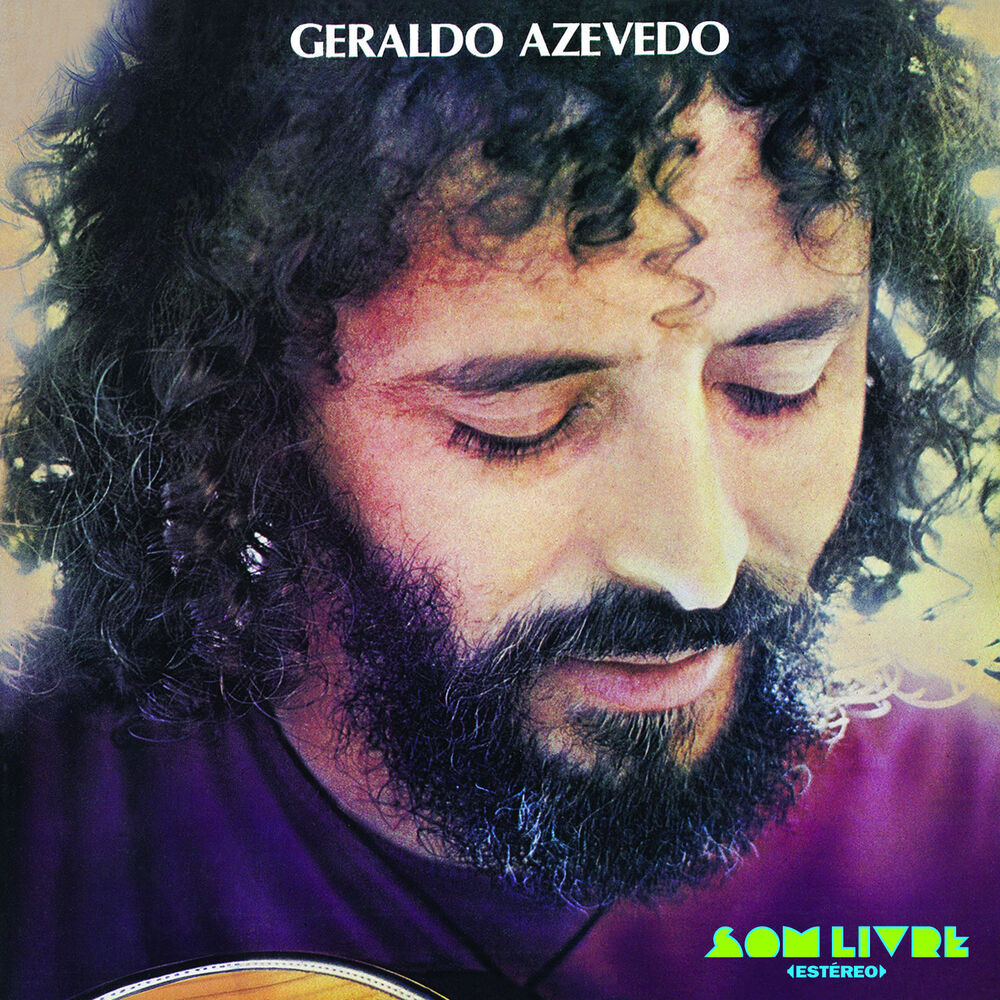
The album Geraldo Azevedo, released in 1977, represents a fundamental landmark in the artist's discography and in Brazilian popular music, consolidating Geraldo Azevedo's identity as a singular composer. The work stands out for its harmonious fusion of Northeastern rhythms, such as forró and baião, with the sophistication of MPB and elements of psychedelic folk. This debut solo work by the Pernambucan artist is an expressive synthesis of his virtuosity on the guitar and a romantic lyricism, characteristics that would become his trademarks. The album demonstrates a remarkable balance between orchestral passages and acoustic arrangements, alternating between introspective moments and more grandiose and captivating themes. With a sensibility that deeply dialogues with both the rich traditions of the Northeast and a universal perspective on song, the album deserves attention for its ability to transform experiences and landscapes into melodies and lyrics that touch the public's heart, transcending generations.
Context
Before his 1977 solo album, Geraldo Azevedo had a career marked by important collaborations and political challenges. Born in Petrolina, Pernambuco, his musical upbringing was profoundly influenced by the São Francisco river and the work of João Gilberto. In the 1960s, he joined Quarteto Livre, a group that accompanied Geraldo Vandré, but which dissolved under the pressure of the military dictatorship. Subsequently, he formed a seminal partnership with Alceu Valença, resulting in the album Quadrafônico (1972), a work that blended regional sonorities with the avant-garde of Tropicália, with arrangements by Rogério Duprat. The arrests and torture suffered during the military regime were also a dark part of this period, where music, at times, acted as a refuge and salvation.
Recording
The 1977 album Geraldo Azevedo was recorded by Som Livre and featured Guto Graça Mello as producer. The album's sonic richness is largely attributed to the elaborate orchestral arrangements by Dori Caymmi and Radamés Gnattali, who imparted a unique sophistication to the compositions. Several prominent musicians participated in the recordings, enriching Azevedo's work. Among them were Alceu Valença, Ivinho on the 12-string viola, Robertinho do Recife, Elba Ramalho and Terezinha de Jesus, in addition to Severo on accordion and Luiz Alves on acoustic bass.
Songs
The repertoire of Geraldo Azevedo (1977) comprises songs that became MPB classics, highlighting the artist's compositional skill. Highlights include "Cadê Meu Carnaval", the poetic "Juritis e Borboletas", and the acclaimed medley "Correnteza", which interlinks the compositions "Caravana" (a partnership with Alceu Valença), "Talismã" (also with Alceu Valença) and "Barcarola do São Francisco" (with Carlos Fernando). The album's lyrics are notably poetic and rich, reflecting Azevedo's experiences and connection to the Northeast and to universal themes. Later editions of the album also included the songs "Malaksuma" and "Tangará" as bonus tracks, which had previously been recorded for TV Globo soap opera soundtracks in 1976.
Legacy
The 1977 album Geraldo Azevedo was received with acclaim, being considered a 'great album' and highly recommended by specialised critics. Its importance was such that many of its compositions, such as "Caravana" and "Barcarola do São Francisco", became classics of Brazilian popular music. The work consolidated Geraldo Azevedo's artistic identity, paving the way for a successful career and influencing generations of musicians by blending Northeastern roots with a universal musical language. The album is frequently cited in lists and rankings of the best albums in Brazilian music, attesting to its lasting impact and cultural relevance.
Tracks
Credits
João Araujo
Dori Caymmi
Radamés Gnattali
Carlos Fernando
Sergio Mello
Guto Graça Mello
Geraldo Azevedo
Ivinho
Severo
Luiz Alves
Israel Semente Proibida, Robertinho Silva
Luizão
Luiz Antonio Paiva
Ronaldo Medeiros, Zé Da Flauta
Ivinho, Robertinho De Recife
Chico Batera, Israel Semente Proibida, Nenê Da cuica, Normando, Paulinho Braga, Robertinho Silva, Wilson Canegal
Nivaldo Ornelas
Ieddo Gouveia
Sergio Mello
Vitor Farias
Andy Mills, Don Lewis, Vitor Farias
Ruth Freihof
Antonio Henrique Nitzsche
Sebastião Barbosa
Analyses

MUSICA&SOM: Geraldo Azevedo - 1977
tabernanovostempos.blogspot.com
Before this, his first solo LP, Geraldo Azevedo had already participated in Petrolina's first radio station, Emissora Rural "A Voz do São Francisco", worked on the production of the Teatro Popular do Nordeste, won the Festival de Música Popular do Nordeste with the song "Aquela Rosa", and worked with musicians such as Eliana Pittman...

Geraldo Azevedo - Geraldo Azevedo (1977) - BR 320
br320.blogspot.com
In 1977, he released his first solo album, "Geraldo Azevedo", on the Som Livre label, which features the hits 'Caravana', 'Barcarola do São Francisco' and 'Talismã'.
Geraldo Azevedo - Geraldo Azevedo (1977) - musicasdonordeste.net
musicasdonordeste.net
Som Livre re-releases Geraldo Azevedo's self-titled album on CD, originally released in 1977. Hailing from Petrolina, the Brazilian singer, songwriter and guitarist features self-penned classics on this album such as "Cadê Meu Carnaval" and "Malaksuma".