Pra Não Dizer Que Não Falei de Flores
Geraldo Vandré
1979
Rankings
Why This Album Matters
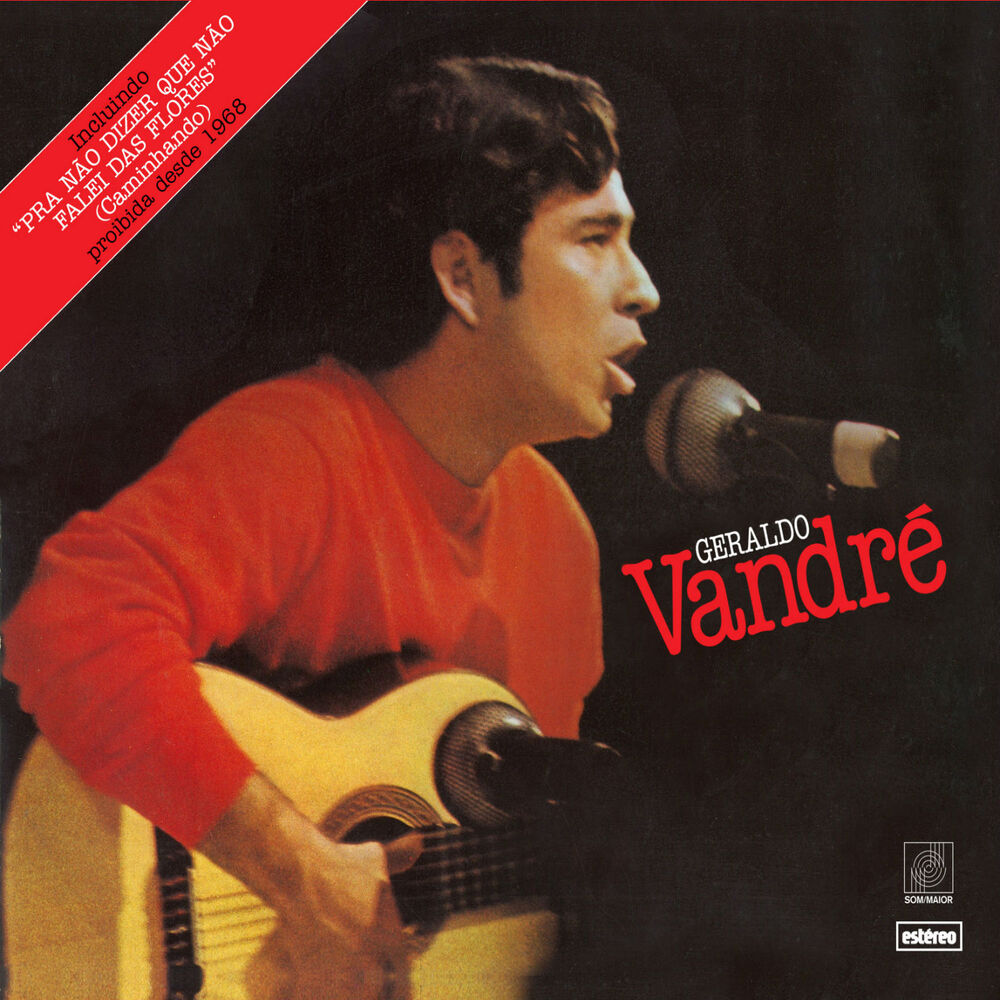
The album Pra Não Dizer Que Não Falei de Flores, released by Geraldo Vandré in 1979, is an emblematic work that transcends a simple musical compilation to become a landmark of resilience and hope. Its importance primarily lies in the inclusion of the title track, a true anthem of resistance which, after years of censorship, finally gained space to be widely heard by the Brazilian public. This release symbolised a new breath of life for protest music and for the voice of an artist who became synonymous with courage in dark times. The album's musical style, though a compilation, reflects the essence of Vandré's engaged MPB, with arrangements that combine folkloric elements and direct, mobilising poetry. It deserves attention for condensing the lyrical and melodic genius of one of Brazil's greatest composers, whose works became the soundtrack to a crucial period in national history. More than a record, the album is a musical testament to the struggle for freedom, reiterating art's capacity to take a stand against adversity and inspire action. The message that "quem sabe faz a hora, não espera acontecer" resonates as a timeless call to proactivity and a belief in change, making this work an essential item for understanding the power of music as a social and political tool in Brazil.
Context
The album's release in 1979 occurred during a period of "political opening" in Brazil, after years of intense repression under the military dictatorship, which spanned from 1964 to 1985. The song "Pra Não Dizer Que Não Falei de Flores" was originally performed in 1968, a year that saw the intensification of oppression with the promulgation of Institutional Act Number Five (AI-5), which decreed censorship, closed Congress, and revoked mandates. After its performance at the 1968 International Song Festival, the music was promptly censored and Geraldo Vandré was persecuted, leading him to exile. The 1979 compilation, therefore, marked a moment of hope and the beginning of the liberation of works that had been prohibited, allowing Vandré's voice, so linked to resistance, to be fully heard again on the national scene.
Recording
The 1979 album, titled Pra Não Dizer Que Não Falei de Flores, is, in fact, a compilation released by the record label Som Livre (originally Som Maior) that compiled Geraldo Vandré's previous works. Among the tracks, two versions of the title song stand out: a live recording of its historic performance at the 1968 International Song Festival, at Maracanãzinho, and a studio version. This compilation was a re-release of the artist's third album, 5 Anos de Canção, from 1966, with the addition of these two new versions of "Pra Não Dizer Que Não Falei de Flores", taking advantage of the song's liberation. The production of the compilation itself was credited to Wilson Rodrigues Poso by RGE in some editions.
Songs
The central track of the album is, without a doubt, "Pra Não Dizer Que Não Falei de Flores", also known as "Caminhando", a composition by Vandré that became an anthem of resistance. Its lyrics are an invitation to collective action, with verses such as "Vem, vamos embora, que esperar não é saber / Quem sabe faz a hora, não espera acontecer", which call for proactivity in the face of oppression. The song uses direct language and a simple rhyme scheme, facilitating memorisation and the transmission of its message of unity and the struggle for freedom. It criticises passivity and imposed false patriotism, calling on people from all social strata to unite. Besides the iconic title track, the 1979 album, being a compilation of earlier works, features other significant compositions by Vandré, such as "Porta Estandarte", "Depois é Só Chorar", "Réquiem para Matraga", "Fica Mal com Deus" and "Canção Nordestina", which demonstrate the artist's versatility and lyrical depth, addressing themes of love, sadness, and social issues.
Legacy
The song "Pra Não Dizer Que Não Falei de Flores" achieved second place at the 1968 International Song Festival, but its impact was so immense that the public booed the winner, "Sabiá", by Tom Jobim and Chico Buarque, demonstrating the strong connection with Vandré's music. The song was immediately censored and prohibited from being performed, and the composer had to go into exile to avoid reprisals. The 1979 album, by finally making the song available to the public after years of censorship, cemented its status as a symbol of musical resistance to the Military Dictatorship. The song is listed as one of the 100 Greatest Brazilian Songs of all time by Rolling Stone Brasil magazine, which attests to its enduring relevance. The influence of "Pra Não Dizer Que Não Falei de Flores" is notable, having been re-recorded by various artists over the years, such as Simone in 1979, Zé Ramalho and Charlie Brown Jr., which demonstrates its perennial capacity to engage with new generations and contexts.
Tracks
Credits
Baden Powell, Geraldo Vandré, Vinicius De Moraes
Paulo João
WOM Publicidade
Hélio Eduardo Costa Manso
Videos
Pra não dizer que não falei de Geraldo Vandré - Documentário
Luiz Cirigola
Books
Analyses
Um estudo discursivo: análise da canção Pra não dizer que não falei das ...
periodicos.ifg.edu.br
The present article seeks to undertake an analysis of the song "Pra não dizer que não falei das flores" composed by Geraldo Vandré during Brazil's military dictatorship.
Pra não dizer que não falei das flores, de Geraldo Vandré (análise da ...
culturagenial.com
The song "Pra não dizer que não falei das flores" was written and performed by Geraldo Vandré in 1968, winning second place at the Festival Internacional da Canção that year.
Pra Não Dizer Que Não Falei das Flores - Memorias da Ditadura
memoriasdaditadura.org.br
Geraldo Vandré on stage at the 1968 Festival Internacional da Canção, in the historic performance of his anthem "Pra Não Dizer que Não Falei das Flores". The song became the greatest symbol of musical resistance to the Military Dictatorship, leading to its censorship and the exile of its author.
Um estudo discursivo: análise da canção Pra não dizer que não falei das ...
periodicos.ifg.edu.br
This article aims to undertake an analysis of the song "Pra não dizer que não falei das flores", composed by Geraldo Vandré during the era of the Military Dictatorship in Brazil.
Geraldo Vandré - Pra não dizer que não falei das flores (1979)
musicasdonordeste.net
With a repertoire of 14 tracks, the album also contains the song "Pra Não Dizer Que Não Falei das Flores", which faced strong reprisal and censorship during the military dictatorship, quickly becoming an anthem of civil and student resistance.