Gilberto Gil (1969)
Gilberto Gil
1969

Why This Album Matters
Gilberto Gil's self-titled album, released in 1969 by Philips, is a seminal work that encapsulates the effervescence and boldness of the Tropicalist movement, of which Gilberto Gil was one of the great exponents. Considered one of the artist's most experimental works to date, this record delves deeply into psychedelic rock, a striking characteristic of the period, whilst weaving in elements of MPB, samba, and blues. Distinguished by its fusion of psychedelic experimentation with the richness of Brazilian music, the album established itself as a landmark ahead of its time. Critics point to it as one of the most innovative pop albums to emerge from Brazil, demonstrating Gil's ability to transition between carnival sounds and avant-garde compositions, solidifying his position as a visionary artist in the Brazilian music scene.
Context
The release of Gilberto Gil in 1969 occurred during one of the most turbulent periods in Brazilian history, under the aegis of the military dictatorship (1964-1985). The Tropicalismo movement, which blended Brazilian rhythms with psychedelia and Anglo-American pop rock, was a vibrant and often subversive cultural response to the authoritarian regime. Gilberto Gil and other Tropicalist artists, such as Caetano Veloso, were seen as a threat by the government, becoming targets of censorship and repression. At the end of 1968, shortly after the decree of Institutional Act No. 5 (AI-5), Gil and Caetano were arrested and subjected to months of detention and house arrest, before being forced into exile in London in July 1969. This album was conceived and largely recorded during this period of intense adversity and surveillance.
Recording
The production of the album Gilberto Gil was a reflection of the complex political circumstances the artist faced at the time. With Gilberto Gil under house arrest in Salvador, Bahia, he recorded his vocals and acoustic guitar in his hometown. The instrumental foundations, in turn, were recorded in studios in Rio de Janeiro and São Paulo, under the baton of renowned arranger Rogério Duprat. Production was handled by Manoel Barenbein. The technical team included names such as Ary Carvalhaes, Célio Martins, João Dos Santos, João Kibelkstis, Paulo Frazão, and Stelio Carlini. The instrumentation was enriched by the participation of musicians such as Sérgio Barroso on bass, Wilson Das Neves on drums, Lanny Gordin on electric guitar, and Chiquinho de Moraes on piano, organ, and brass arrangements. Duprat, with his avant-garde vision, incorporated extensive electronic psychedelic effects, giving the work a distinctive and experimental sound.
Songs
The album comprises nine tracks that demonstrate Gilberto Gil's creative breadth. Among these, "Aquele Abraço" stands out, becoming Gil's first major commercial success and one of his most iconic songs. Written during his period of detention and house arrest, the song, a vibrant samba, makes references to places and characters in Rio de Janeiro, expressing a mixture of longing and hope. Another track that gained posthumous recognition, largely due to Marisa Monte's re-recording in 1996, is "Cérebro Eletrônico", a composition Gilberto Gil wrote during his imprisonment. The record also explores a more experimental side with songs like "2001" (by Rita Lee and Tom Zé) and "Objeto Semi-Identificado" (by Gil, Rogério Duarte and Rogério Duprat). These tracks are characterised by spoken word sections, unique structures, and a strong reliance on studio techniques, revealing the artistic daring that John Bush of Allmusic described as rarely seen in pop albums of the era. In addition to Gil's own compositions, the album features notable contributions, such as "A Voz do Vivo" by Caetano Veloso and "17 Léguas e Meia" by Humberto Teixeira, showcasing the interconnectedness and wealth of talent within the Tropicalist movement. The track "Omã Iaô", the B-side to "Aquele Abraço", was included as a bonus on re-releases, further expanding the available repertoire.
Legacy
Despite a good critical reception, the 1969 album Gilberto Gil initially only had one major hit single, "Aquele Abraço", which became one of the most celebrated songs in Brazilian music. Specialist critics, such as John Bush of Allmusic, highlighted the experimental nature of the record, which balanced emergent Brazilian pop with remnants of the carnival style from previous works. This album is frequently cited as a "Tropicália classic" and one of Brazil's most avant-garde pop albums. Years later, the song "Cérebro Eletrônico" gained new momentum and cultural prominence with Marisa Monte's re-recording in 1996, solidifying recognition of the depth and timelessness of Gil's work. Although the Tropicália movement was effectively ended with the arrest and exile of Gil and Caetano Veloso shortly after the release, this album remains a powerful testament to artistic boldness and cultural resistance during a period of great repression in Brazil.
Rankings
Tracks
Credits
Rogério Duprat
Manoel Barenbein
Gilberto Gil
Wilson Das Neves
Sergio Barroso
Lanny Gordin
Chiquinho de Moraes
Videos
CAVEIRA INDICA l Gilberto Gil Frevo Rasgado l Álbum Review
Bota O Disco Aí
3000 Best Albums [2537] Gilberto Gil - Gilberto Gil (1968) Dan's Mini Album Review
Dan's Mini Album Reviews
"Tropicália 2" - Caetano Veloso & Gilberto Gil | Melhores discos dos anos 90 | Alta Fidelidade
Alta Fidelidade
Comentário disco "OK OK OK", de Gilberto Gil [AGENDA]
AGENDA
O álbum Gilberto Gil, de 1969: despedida (ainda que involuntária) do Brasil em grande estilo.
Sons Aleatórios
Films

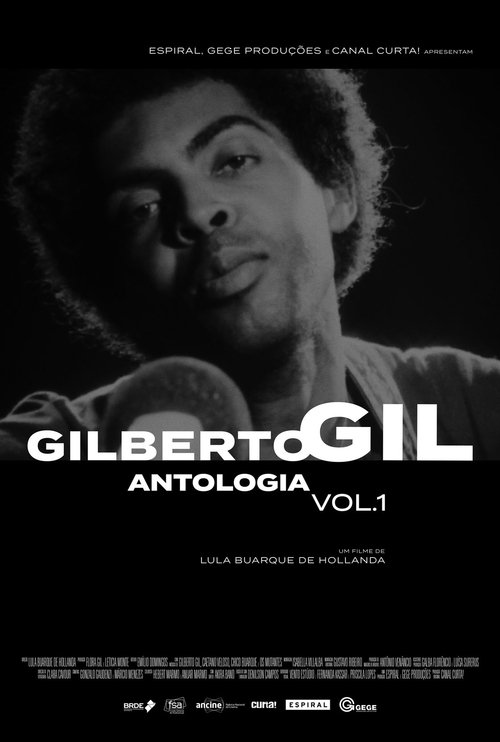
Gilberto Gil Antologia Vol.1
2019
The documentary goes through works composed by the Bahian musician between 1968 and 1987. Brazilian musician Gilberto Gil, one of the most well-known members of the Tropicália generations, revisits some of his most famous works on this documentary.
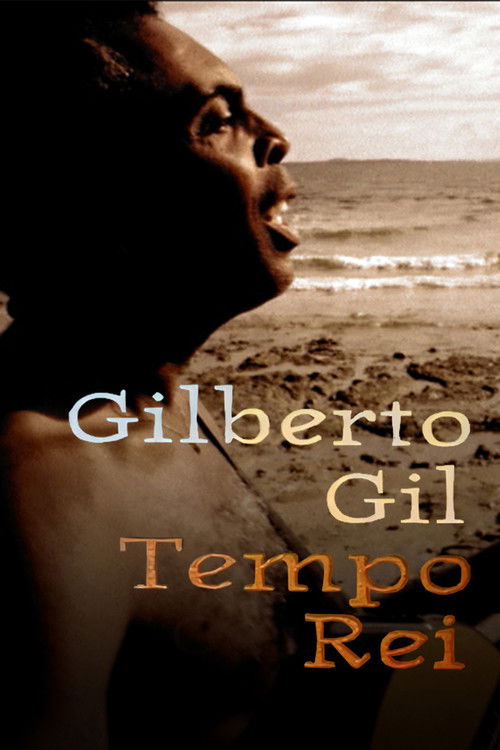
Gilberto Gil: Tempo Rei
1996
Tempo Rei is the first audiovisual record of Gilberto Gil's vast work, celebrating the artist's thirty-year career, celebrated in 1996. Gil recalls his artistic trajectory, recalls striking facts and reveals some intimacies. Completely filmed on film, it includes great successes of the artist like Madalena, Cores Vivas, Vamos Fugir, Procissão and Expresso 2222.

Amor e Sorte com Gilberto Gil
2020
Gilberto Gil's music and poetry in the voices of different generations of artists, and his wisdom in his own voice.
Books
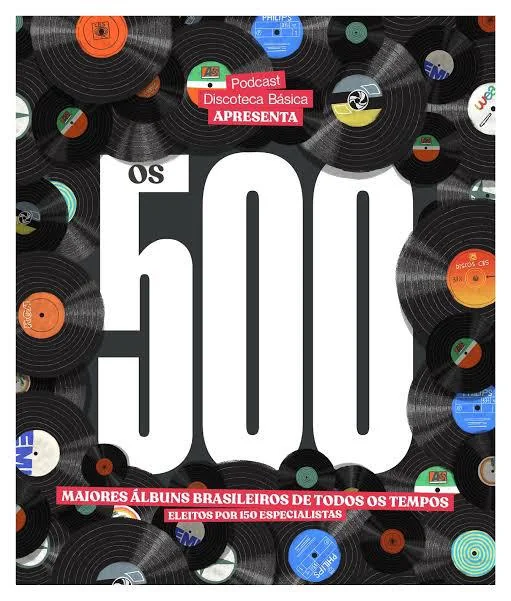
The 500 Greatest Brazilian Albums of All Time
Ricardo Alexandre · 2022
The election was spearheaded by journalist Ricardo Alexandre, creator of the Discoteca Básica podcast. Ricardo consulted 162 specialists including journalists, YouTubers, podcasters, musicians, record-shop owners and producers. The result was published as a 200-page hardcover book, with graphic design by Fernando Pires.

Gilberto bem perto
Gilberto Gil, Regina Zappa · 2013
Autobiografia de Gilberto Gil, escrita em parceria com Regina Zappa. O livro narra a trajetória pessoal e artística do cantor e compositor, desde sua infância na Bahia, o surgimento da Tropicália, o período de exílio, até sua atuação como Ministro da Cultura. É uma fonte primária fundamental para entender o contexto e a criação de seus álbuns, incluindo o disco de 1969.
Analyses
Gilberto Gil (1969) – Wikipedia
Wikipedia, the free encyclopaedia
Gilberto Gil: álbum de 1969 ganha versão especial em vinil azul
rollingstone.com.br
A Universal Music lançou nesta terça-feira (3) uma edição do icônico álbum Gilberto Gil, publicado originalmente pelo cantor e compositor baiano em 1969. A nova versão é feita em vinil azul.
Gilberto Gil (1969) - Qobuz
qobuz.com
Resenha do Álbum: Gilberto Gil - Gilberto Gil (1969) It's not only ironic that the record with Gilberto Gil's first major hit ("Aquele Abraço") is also his most experimental album; it also speaks to the diversity of Brazil's emerging pop superstar.
Gilberto Gil - Gilberto Gil - Monkeybuzz
monkeybuzz.com.br
A capa de Gilberto Gil, sem nome, que traz uma folha com desenhos e um poema de Rogério Duarte, sintetiza o disco ao confrontar uma simplicidade aparente a sofisticação e complexidade semântica tão peculiares.
Gilberto Gil - Gilberto Gil (1969) - musicasdonordeste.net
musicasdonordeste.net
A efervescência psicodélica da musicalidade de Gilberto Gil nos proporcionou um dos mais emblemáticos e modernos discos de todos os tempos - Gilberto Gil (1969) - mais conhecido como "Cérebro Eletrônico" (a primeira faixa do disco).
Discogs

Gilberto Gil (1969) – Discogs
discogs.com