Gil & Jorge: Ogum, Xangô
Gilberto Gil & Jorge Ben Jor
1975
Rankings
Why This Album Matters
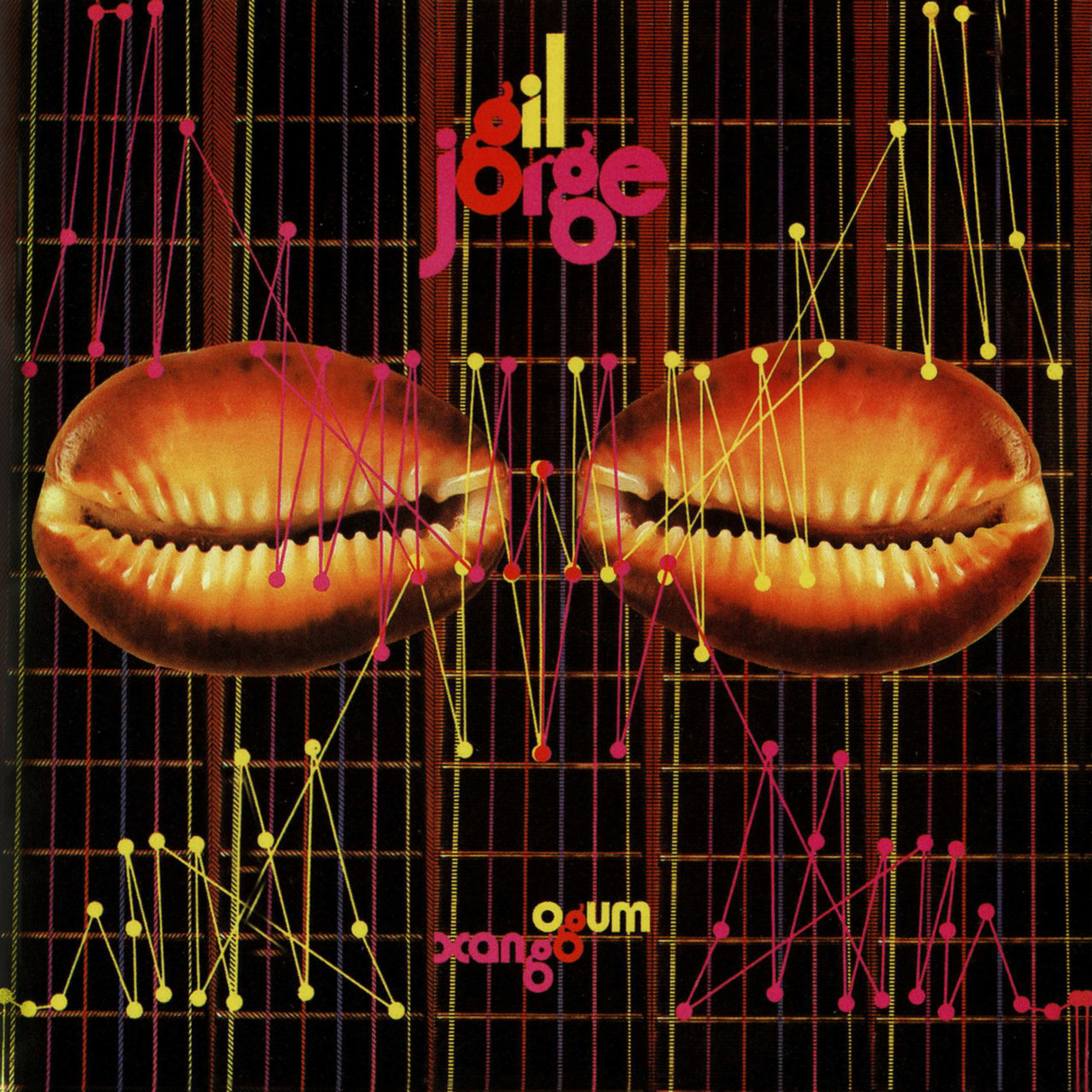
Gil & Jorge: Ogum, Xangô is a 1975 double album that represents a seminal encounter between two of the greatest icons of Brazilian music, Gilberto Gil and Jorge Ben Jor. Released by Philips Records, this work stands out for its deeply experimental and improvisational character, almost an extended jam session that captures the undeniable chemistry and spontaneous genius of the artists. With tracks that frequently exceed ten minutes, the album transcends the conventions of MPB of the era, delving into a raw and organic sound that blends samba, samba-rock, and other Brazilian influences. The collaboration between Gil and Jorge is a testament to the mutual admiration and confluence of their unique styles. While one is frequently associated with Ogum, the orisha of war and labour, the other is linked to Xangô, the orisha of justice and thunder, elements that, symbolically, intertwine in the rhythmic power and lyrical depth of the album. The work offers a captivating listen, where the guitars, voices, and percussions weave a constant and fascinating dialogue, with John Bush of Allmusic highlighting its intense rhythm and its roots in ancient Brazilian popular traditions.

Double, this album represents the auspicious meeting of two masters of swing at their peak.
Antônio do Amaral Rocha · Rolling Stone Brasil
Context
In 1975, both Gilberto Gil and Jorge Ben Jor were at crucial moments in their careers. Gilberto Gil, who had returned from exile in London at the beginning of the decade, had already released important albums such as Expresso 2222 and was about to begin the acclaimed trilogy "Refazenda", "Refavela", and "Realce", with Refazenda being released in the same year. Jorge Ben Jor, in turn, was already an established artist, coming from a sequence of innovative albums, including the seminal A Tábua de Esmeralda (1974) and Solta o Pavão (1975). This period in Brazilian music was marked by a creative effervescence, despite the military regime that still imposed censorship and restrictions. The encounter of Gil and Jorge, whose paths had already crossed at events such as the Phono 73 festival, represented the union of two creative forces that, with their roots in samba, rock, and Afro-Brazilian traditions, sought in improvisation and artistic freedom an authentic and visceral form of expression.
Recording
The album Gil & Jorge: Ogum, Xangô was recorded at Phonogram Studios, in Rio de Janeiro, in 1975, and stands out for its simplicity and spontaneity. The recording took place practically without overdubs or extensive rehearsals, resulting in an organic and raw sound, as if the listener were immersed in the same room with the artists. The liner notes reveal the production by Paulinho Tapajós and Perinho Albuquerque, with art direction by Jorge Vianna and photography by João Castrioto. Fulfilling the accompaniment were percussionist Djalma Corrêa and bassist Wagner Dias, complementing the guitars and voices of Gilberto Gil and Jorge Ben Jor. This lean, primarily acoustic line-up, with the exception of the electric bass on some tracks, reinforces the minimalist character and focus on musical interaction, a fundamental aspect for the album's improvised atmosphere.
Songs
The repertoire of Gil & Jorge: Ogum, Xangô is an intriguing mix of unreleased songs and reinterpretations that gain new guises through the duo's improvisational lens. The album features only four original tracks: "Meu Glorioso São Cristóvão", "Jurubeba", "Filhos de Gandhi" and "Sarro". The others are re-recordings that are profoundly transformed in the interaction between the artists. Among the re-recordings, notable ones include "Nega", present on Gilberto Gil's eponymous 1971 album, and "Essa É pra Tocar no Rádio", which would be released months later on the album Refazenda, also by Gil. From Jorge Ben Jor's side, the album revives "Quem Mandou (Pé na Estrada)", which had already been released by Wilson Simonal in 1973, and the classics "Taj Mahal" and "Morre o Burro, Fica o Homem", both from the 1972 album Ben. The experimentalism is evident in the length of many tracks, with four of the nine songs exceeding ten minutes, allowing the musicians to explore hypnotic guitar riffs and endless grooves, as in the extended version of "Nêga", where the word "Cabo Frio" is repeated in an almost mantra-like fashion.
Legacy
Although its commercial reception upon release may have been more discreet, Gil & Jorge: Ogum, Xangô is, today, universally recognised as a masterpiece and an undeniable landmark of MPB. Modern criticism praises the album for containing excellent music and performances that capture Gil and Jorge at their creative peaks. It is widely considered an album that manages to be experimental and minimalist at the same time, maintaining a deep connection with ancient Brazilian popular traditions, as noted by John Bush of Allmusic. The album is frequently highlighted as one of the greatest collaborative works in Brazilian music, celebrated for its sonic innovation and the artistic courage of two rhythmic guitarists at their prime, improvising and having fun on a recording said to have been made in just two days. The authenticity of the creative process elevated this work to cult status, and its influence extends as an example of musical freedom and genius. It was re-released on CD in 1992 by Verve Records, attesting to its lasting value in the music scene.
Tracks
Credits
Paulinho Tapajós, Perinho Albuquerque
Wagner Dias
Djalma Correa
Joaquim Figueira
Ary Carvalhaes, João Moreira, Luigi Hoffer, Luis Cláudio Coutinho
Jairo Gualberto, Paulinho Chocolate
Jorge Vianna
Aldo Luiz, Rogério Duarte
João Castrioto
Podcasts

QUER QUE EU RESENHE? · André Marx
No vídeo de hoje, o mestre Kico Amaral resenha um clássico absoluto e maravilhoso, que, reza a lenda, impressionou até Eric Clapton: o álbum em dupla gravado pelos mestres Gilberto Gil e Jorge Ben. Sejam bem-vind@s ao Canal/Podcast QUER QUE EU RESENHE? e esperamos que vocês gostem.
Videos
Gilberto Gil & Jorge Ben - Gil & Jorge: Ogum, Xangô (1975) | ALBUM REVIEW
QUER QUE EU RESENHE?
CliMatias #275: Gil & Jorge - Ogum Xangô, do Jorge Ben e Gilberto Gil (16.12.2020)
Trabalho Sujo
Films


Gilberto Gil Antologia Vol.1
2019
The documentary goes through works composed by the Bahian musician between 1968 and 1987. Brazilian musician Gilberto Gil, one of the most well-known members of the Tropicália generations, revisits some of his most famous works on this documentary.
Gilberto Gil: Tempo Rei
1996
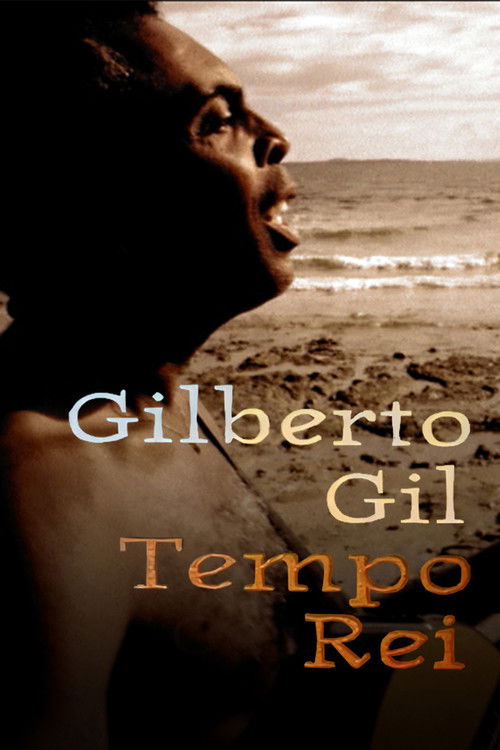
Tempo Rei is the first audiovisual record of Gilberto Gil's vast work, celebrating the artist's thirty-year career, celebrated in 1996. Gil recalls his artistic trajectory, recalls striking facts and reveals some intimacies. Completely filmed on film, it includes great successes of the artist like Madalena, Cores Vivas, Vamos Fugir, Procissão and Expresso 2222.

Amor e Sorte com Gilberto Gil
2020
The music and poetry of Gilberto Gil in the voices of different generations of artists, and his wisdom in his own voice.
Books
Analyses
Gil & Jorge: Ogum, Xangô – Wikipedia
Wikipedia, the free encyclopaedia
Gil & Jorge: Ogum, Xangô – The 100 Greatest Albums of Brazilian Music
Antônio do Amaral Rocha · Rolling Stone Brasil
Double, this album represents the auspicious meeting of two masters of swing at their peak.
Gil & Jorge: Ogum, Xangô - giravinil.com.br
giravinil.com.br
Released in 1975, Gil & Jorge: Ogum, Xangô is not just an album; it is a spontaneous masterpiece of Brazilian music that blossomed from the undeniable chemistry between two giants: Gilberto Gil and Jorge Ben Jor.
Gil E Jorge, Gilberto Gil - Qobuz
qobuz.com
Album Review: Gil E Jorge - Gilberto Gil, Jorge Ben Jor Gil e Jorge: Ogum, Xangô (1975) is a landmark in Brazilian music. It couldn't be otherwise, as the album brings together an intense improvisation session by two of the most inventive musicians in our history, both living through their creative peaks.
Jorge Ben Jor e Gilberto Gil - Ogum, Xangô [1975]
musicasdonordeste.net
"Gil & Jorge: Ogum, Xangô" is an album recorded and released in 1975 by Jorge Ben Jor and Gilberto Gil, through the record label Philips Records, being Gil's seventh studio album and Jorge's twelfth.