Refavela
Gilberto Gil
1977
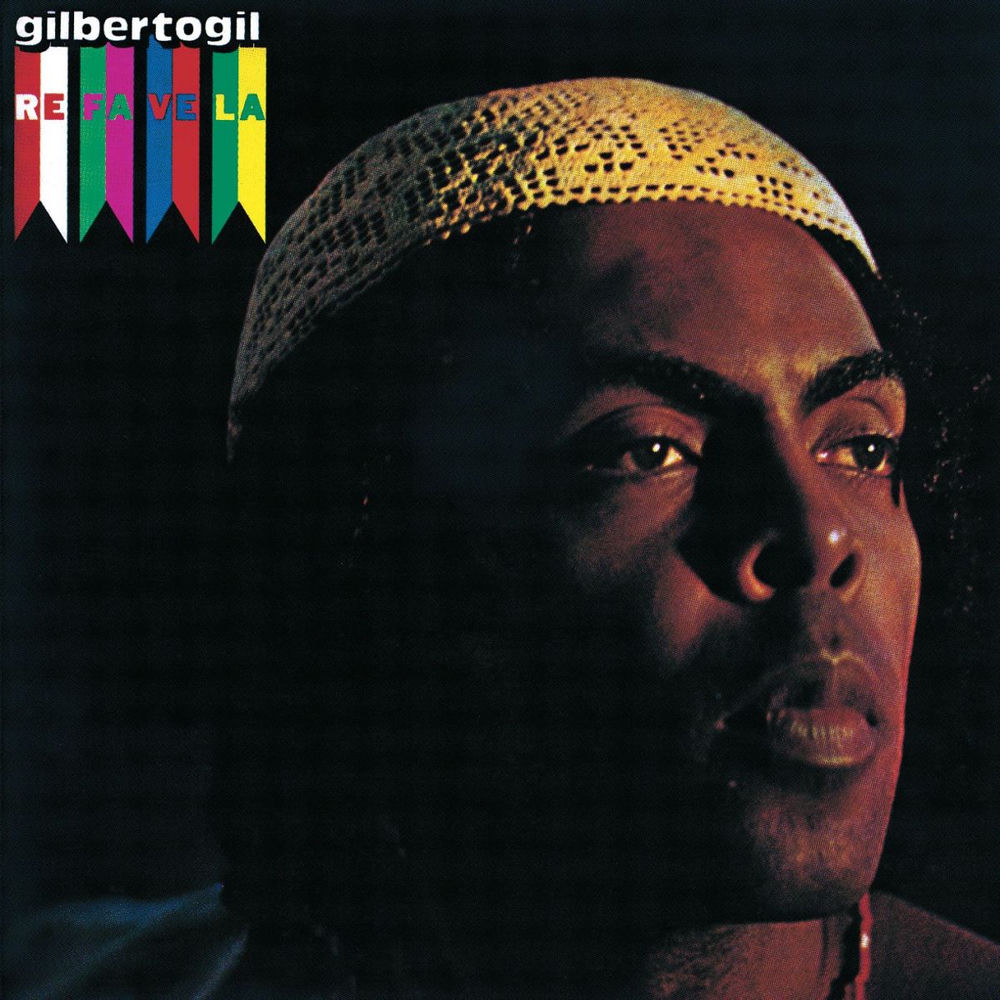
Rankings
Why This Album Matters
Refavela, released in 1977 by Gilberto Gil, transcends a mere musical work to establish itself as a cultural manifesto of profound relevance in Brazilian discography. Part of the acclaimed 'RE' trilogy, which also includes Refazenda (1975) and Realce (1979), this album is a watershed, proposing an immersion in African roots and the urban black experience, in contrast to the rural-Northeastern focus of its predecessor Refazenda. The record is an audacious sonic fusion, blending Gil's characteristic MPB with pulsating elements of Nigerian afrobeat, the swing of juju, the energy of American funk, and the engaging beats of reggae. With this amalgamation of rhythms and languages, Gilberto Gil not only explored new musical frontiers but also consolidated a unique artistic statement, which became a landmark in how Afro-Brazilian identity is expressed and celebrated in music.

It's an album with an urban viewpoint, singing of the pains and pleasures of city life, but without the apocalyptic view of the metropolis as inevitable: Gil views streets and buildings as human creations and, therefore, as part of nature.
Alexandre Matias · Rolling Stone Brasil
Context
The year 1977 found Brazil under a military dictatorship, a period in which the 'myth of racial democracy' was frequently invoked to mask the racial tensions and conflicts inherent in society. Amidst this scenario, Gilberto Gil, who had already experienced exile in London in the early 70s, where he deepened his self-perception as a peripheral subject and explored various musical manifestations, was experiencing a moment of creative effervescence and reconnection with his origins. The main catalyst for the conception of Refavela was Gil's participation in the 2nd World Festival of Black Arts and Culture (FESTAC '77), held in Lagos, Nigeria. The event brought together around 50,000 artists from the African diaspora and the continent, exposing Gil to icons such as Fela Kuti, whose afrobeat and juju sound profoundly influenced the album. The experience in Lagos, where Gil stayed in a housing estate that reminded him of the BNH blocks in the Brazilian peripheries, gave rise to the neologism that titles the record and reflects on the condition of Black people in urbanity. In parallel, Brazil saw the rise of the Black Rio Movement and the 're-Africanisation' of Bahia's carnival by blocks like Ilê Aiyê and Filhos de Gandhy, movements that echoed in Gil's work, connecting Salvador, Lagos, Kingston, and the Rio de Janeiro black parties in an Atlantic circulation of ideas and rhythms.
Recording
Refavela was recorded in 1977 at Phonogram's studios, with musical production handled by Roberto Sant'Ana. Gilberto Gil not only led the creative process but also actively involved himself in the mixing phase, being credited as a technician. The band that accompanied Gil on this work included prominent musicians such as Perinho Santana (guitar, backing vocals), Cidinho Teixeira (piano, ARP String Ensemble), Rubão Sabino (bass), Djalma Corrêa (percussion), and Paulinho Braga (drums), with Robertinho Silva also participating on drums on one of the tracks. Although the record was released with Gilberto Gil at its helm, the artist was not entirely satisfied with the album's original mix. This dissatisfaction was so great that in 1984, when Warner Music decided to re-release the LP, Gil made an unusual request for the time: that the record be remixed.
Songs
Refavela's ten tracks compose a lyrical and rhythmic mosaic that addresses Black identity in its multiple urban and ancestral facets. The title track "Refavela" is a 'baiãozinho' that captures the displacement of the poor black population to housing estates, the desire for social ascension, and the vitality of young black culture, including the Black Rio phenomenon. "Babá Alapalá" is an ode to African ancestry, bringing together orixás and bridging the influence of candomblés visited by Gil, transforming into a samba-dance influenced by Lagos funk. Meanwhile, "Balafon" celebrates the African instrument Gil received as a gift in Nigeria, building a polyrhythmic structure with a 3/4 time signature that revolves around its sound. Other notable songs include "Ilê Ayê (Que Bloco É Esse?)", a composition by Paulinho Camafeu that became an anthem in praise of Salvador's legendary Afro block, and whose inclusion by Gil helped legitimise and project this aesthetic onto the national circuit. "Aqui e Agora" is described as a Congolese rumba ballad, with a languid and dreamy swing, while "No Norte da Saudade" reveals a nostalgic Gil of his childhood Northeast. The album transitions between the collective and the intimate, as in "Sandra", a more personal, low-voiced song dedicated to his ex-wife, in contrast to the themes of mass movements and racial transformations that permeate the work. Refavela's lyrics, as a whole, value black identity, express the beauty and strength of Afro-Brazilian culture, and subtly expose the structures of racism, classism, and coloniality in society.
Legacy
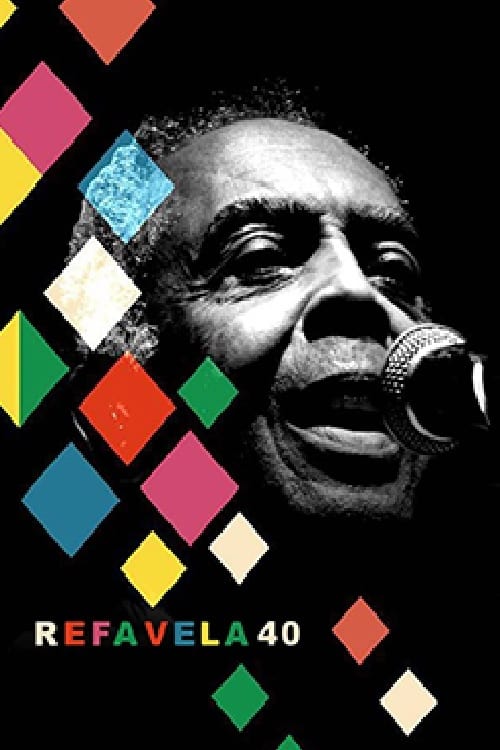
At the time of its release, Refavela did not achieve unanimity among specialist critics, with some voices expecting a more explicit and energetic political stance from Gilberto Gil. However, over time, the album established itself as a seminal work, considered one of the most important in the artist's career and in 20th-century Brazilian music. It was fundamental for the solidification of black consciousness in Brazil, becoming an iconic record that inspired and continues to resonate with subsequent musicians and cultural movements. The relevance of Refavela has extended for decades, as evidenced by the documentary "Refavela 40", produced by his son Bem Gil, which celebrated the album's fortieth anniversary and its lasting influence. The record is recognised for having given aesthetic form to Afro-Brazilian political demands and for legitimising the aesthetics of Afro blocks, such as Ilê Aiyê, on the national scene. Almost fifty years after its release, Refavela remains current, raising pertinent discussions about Brazil-Africa relations, the ongoing criminalisation of black youth, and the artistic manifestations emerging from the periphery on both sides of the Atlantic.
Tracks
Podcasts
Brazuca Sounds · Leandro Vignoli
In episode #33 we celebrate Gilberto Gil's 80th birthday by discussing his 1970s trilogy. Refazenda (1975), where Gil paid tribute to his Northeastern roots in Bahia after he came from his exile in London; Refavela (1977), a celebration of his African origins after a trip to Nigeria; and Realce (1979), influenced by the disco music and recorded in Los Angeles.
Brazuca Sounds on Patreon · Leandro Vignoli
In episode #33 we celebrate Gilberto Gil's 80th birthday by discussing his album trilogy released in the 1970s. In Refazenda (1975) Gil paid tribute to his Northeastern roots in Bahia; Refavela (1977) is a celebration of his African origins; and Realce (1979) is influenced by the disco music. One of the most iconic Brazilian musicians of all time, a great guitarist, and exuberant songwriter, Gilbe
PodCália · Gigola
Ter sido convidado pelo recente Queridaço Daniel a participar de um podcast musical onde, no mês da consciência negra, conversaríamos sobre uma obra antológica do meu maior ídolo na música popular brasileira, em um período tenebroso de ataque à cultura do país, foi de extrema satisfação, alegria, congraçamento, contatos, catarses e até... reencontros, pois em uma determinada altura da gravação, eu
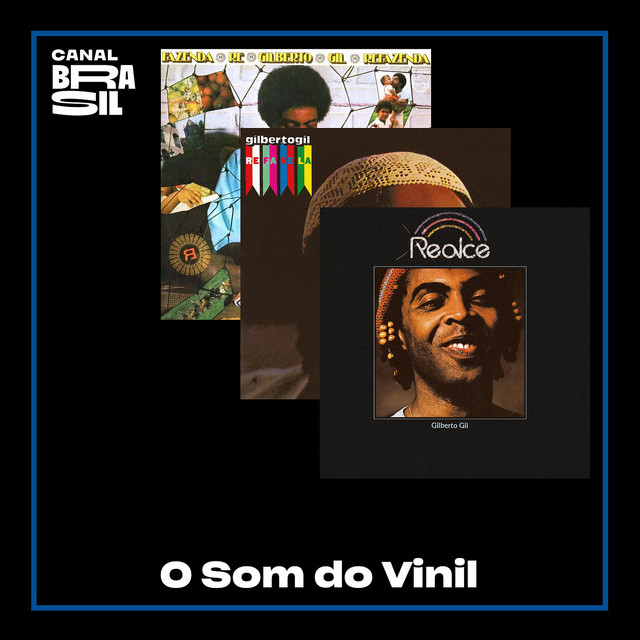
O Som do Vinil | Podcast · Canal Brasil
No episódio especial, Charles Gavin convida Gilberto Gil a traçar um panorama da carreira, a partir de três importantes álbuns: Refazenda (1975), Refavela (1977) e Realce (1979). Gil também conta sobre sua relação com Fela Kuti, pioneiro do Afrobeat.

Ouvindo Estrelas · Marco Mazzola
EPISÓDIO #07 Enquanto produzia álbuns de Raul Seixas, Marco Mazzola foi procurado por Gilberto Gil com um convite inusitado: para Mazzola produzir seu próximo disco, que se chamaria REFAZENDA. Mazzola e Gil se uniram e o álbum se tornou um dos maiores clássicos da história da MPB, sendo o primeiro da famosa trilogia "RE" de Gil (Refazenda, Refavela e Realce). Nesse episódio Mazzola conta como foi
Films

Books
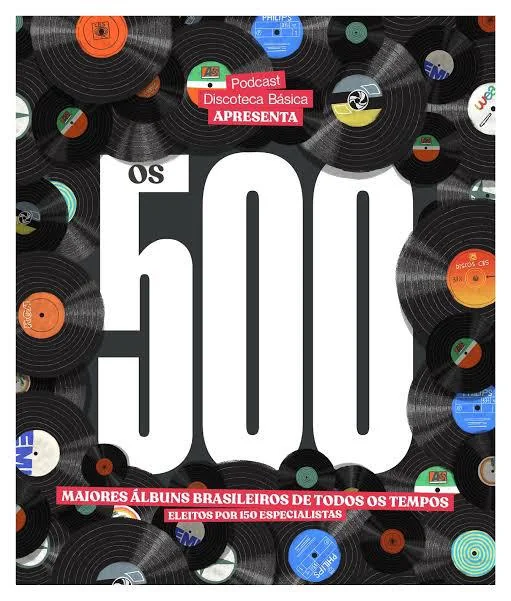
Os 500 Maiores Álbuns Brasileiros de Todos os Tempos
Ricardo Alexandre · 2022
The largest Brazilian music election ever conducted: 162 specialists, spanning journalists, critics, musicians, producers and podcasters, each nominated 50 essential albums, supported by a masterlist of more than 2,000 works. Led by Ricardo Alexandre with tabulation by Sérgio Jomori, it was published in December 2022 as a 200-page hardcover book with graphic design by Fernando Pires.
Gilberto Gil
Gilberto Gil
Maurício Barros de Castro · 2017
The album Refavela was born amidst the turbulence of the 1970s with the challenge of promoting the resurgence of Afro-Brazilian culture. In this book, Maurício Barros de Castro presents the country's context at the time of military dictatorships, anticolonial struggles and protests against racial segregation, and recounts how Gilberto Gil's album became part of this scenario.
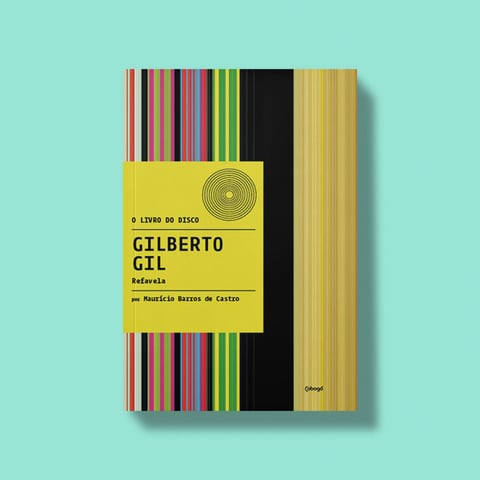
Gilberto Gil: Refavela | Gilberto Gil: Refavela - Editora Cobogó
The album Refavela emerged amidst the turmoil of the 1970s with the challenge of promoting the revival of Afro-Brazilian culture. In this book, Maurício Barros de Castro presents the country's context in...
Analyses
Refavela – Wikipedia
Wikipedia, the free encyclopaedia
Refavela – The 100 Greatest Albums of Brazilian Music
Alexandre Matias · Rolling Stone Brasil
It's an album with an urban viewpoint, singing of the pains and pleasures of city life, but without the apocalyptic view of the metropolis as inevitable: Gil views streets and buildings as human creations and, therefore, as part of nature.
"Refavela" (1977), Gilberto Gil - A música de
amusicade.com
It is the second LP in the RE trilogy (Refazenda, Refavela e Realce) in which the composer presents a new perspective on negritude in Brazil's major metropolitan centres.

Há 48 anos, em meados de 1977, Gilberto Gil lançava Refavela
tabernanovostempos.blogspot.com
Musically, Refavela blends MPB with afrobeat, reggae, samba, and funk, highlighting percussion and elements of diasporic black music. The lyrics explore themes such as African ancestry, cultural identity, spirituality, and life in Brazilian urban peripheries.
Gilberto Gil - Refavela - Monkeybuzz
monkeybuzz.com.br
But, in summary, the definitive encounter that guided all the production and composition of this classic, the second chapter of the RE Trilogy and 'younger sibling' of Refazenda (1975), was Gilberto Gil's intense and fruitful encounter with his Afro-descendance.