Gordurinha Tá na Praça
Gordurinha
1960

Rankings
Why This Album Matters
Gordurinha Tá na Praça, released in 1960, is a landmark in the discography of the brilliant Waldeck Artur de Macedo, artistically known as Gordurinha. This album is a celebration of the artist's intelligence, sharp humour, and deep connection to the cultural roots of Brazil's Northeast. Far from being merely a musical record, it establishes itself as a humorous manifesto, using satire and social observation to comment on the realities of Brazil at the time. The album, which marks the first LP by the Bahian singer, composer, radio presenter, and comedian, consolidates his unique style: a vibrant fusion of baiões, cocos, and sambas that serves as a backdrop for perceptive lyrics. Gordurinha uses music as a platform to defend the Northeastern identity, rebutting prejudices with irony and pride, and to weave social criticism in a light but incisive manner. Gordurinha Tá na Praça stands out for its authenticity and its ability to transform everyday themes, sometimes complex, into accessible and memorable songs that resonate to this day due to the originality of its approach. It is an essential work for understanding the richness of Brazilian popular music that emanates from the various regions of the country.
Context
Waldeck Artur de Macedo, or Gordurinha, was born in Salvador, Bahia, in 1922, and his artistic career began early, at 16, learning guitar and performing in amateur programmes on Rádio Sociedade da Bahia. After an initial unsuccessful attempt in Rio de Janeiro in the 1940s, he returned to the capital of Rio in 1952, where he consolidated his career as a radio presenter at the renowned Rádio Nacional. In the 1950s, even before recording this LP, Gordurinha was already a sought-after composer, with his songs being interpreted by big names of the era. Songs such as "Chiclete com Banana", immortalised by Jackson do Pandeiro in 1959, and "Quero me Casar", recorded by Jorge Veiga in 1954, were already successes that preceded his own debut album. Gordurinha also distinguished himself as a presenter of radio and television programmes, which gave him great popularity and a platform for his humorous and social observations.
Recording
The album Gordurinha Tá na Praça was released in 1960 by the Continental record label, being the artist's first LP of original material and performance. A particularity of the conception of this work is that it brought together several compositions that Gordurinha had previously released on 78 rpm records, mainly between 1958 and 1960. This practice was common at the time, allowing hit singles to be compiled onto LPs for a wider audience. Accompanied by orchestras, the record captured the essence of his performances, with the characteristic swing and energy that highlighted both his vocal talent and his comedic flair.
Songs
The 12 tracks on Gordurinha Tá na Praça are a showcase of the artist's playful and irreverent style, permeated by a strong sense of regional identity and social criticism. The opening with "Baiano Burro Nasce Morto" is emblematic, featuring a spoken introduction by comedian Mário Tubinambá which satirises prejudice against Northeasterners and exalts illustrious figures from Bahia such as Castro Alves, Rui Barbosa, and Marta Rocha. Another highlight is "Chiclete com Banana", a partnership with Almira Castilho, which became an anthem of Brazilian cultural anthropophagy, celebrating the fusion of national rhythms with foreign influences, as the lyrics provocatively declared: "Eu só boto o bebop no meu samba quando o Tio Sam tocar um tamborim". The album also features the baião "Tenente Bezerra", a humorous narrative about a military man who traded weapons for xaxado, and "Mambo da Cantareira", which good-humouredly criticises public transport problems in Rio de Janeiro. Gordurinha's social streak is evident in "Vendedor de Caranguejo", a song that describes the harsh reality and struggle of crab gatherers, highlighting the artist's ability to address serious themes with sensitivity. Tracks like "Qual é o Pó", "Sorvete Com Gelo", and "Baianada" complement the repertoire, consolidating the album as a diverse work representative of Gordurinha's talent.
Legacy
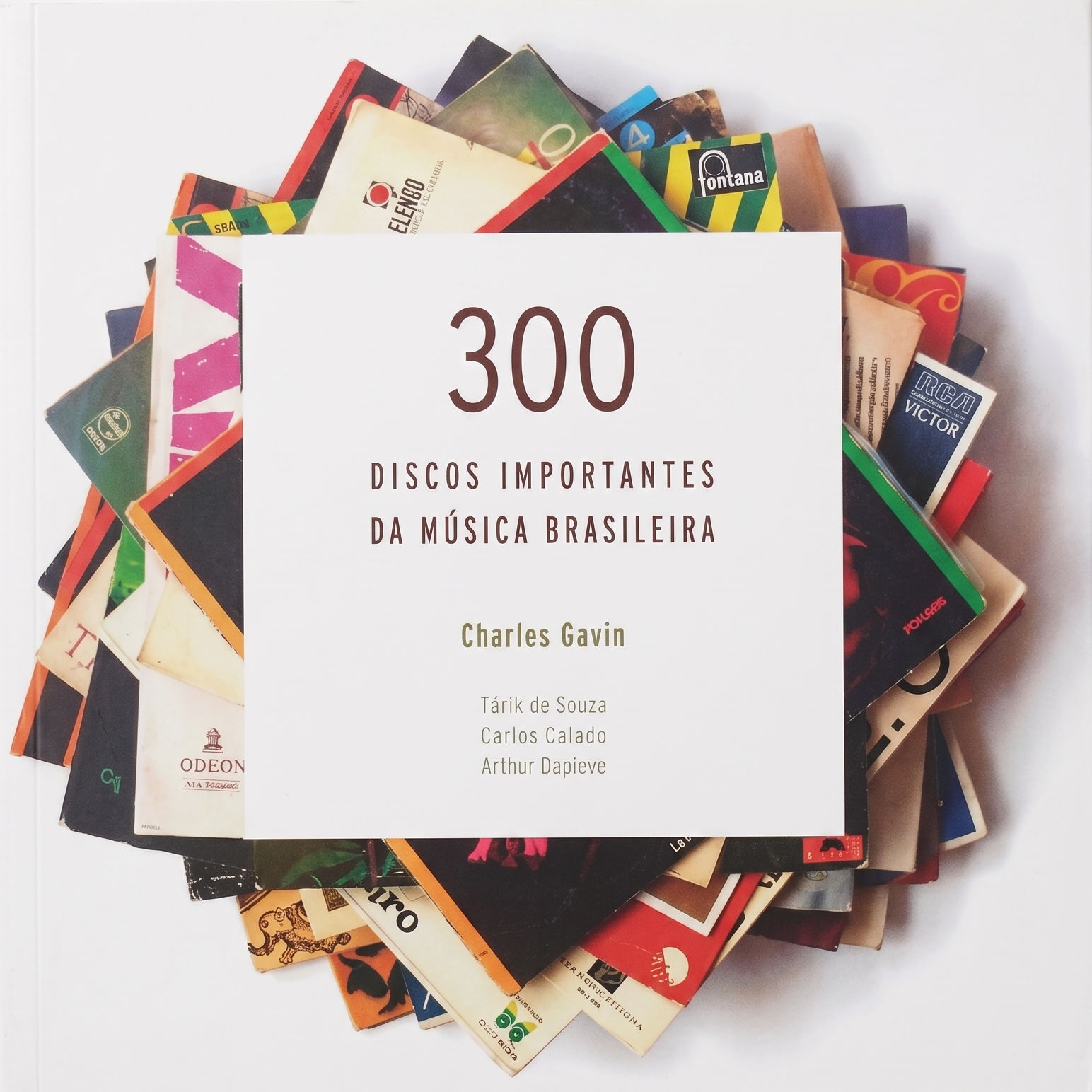
While the claim that Gordurinha Tá na Praça is considered one of the 100 best Brazilian music albums needs qualification, the album is recognised for its historical and cultural relevance. It features in lists such as "300 important Brazilian music albums" and in compilations like "1001 Discos da Música Brasileira", although these latter ones are often personal or collaborative in nature. The true legacy of Gordurinha and this album lies in the enduring influence of his compositions and his thematic approach. Songs such as "Chiclete com Banana" and "Súplica Cearense" (which, although not on this album, is one of his best-known works) have been recorded by generations of artists, from Jackson do Pandeiro and Luiz Gonzaga to Gilberto Gil, Fagner, and O Rappa, demonstrating the timelessness of his work. Gordurinha's stance in combating prejudice against Northeasterners and inserting social criticism into his music was pioneering and resonates to this day, with "Chiclete com Banana" even being pointed to as a precursor to the Manguebeat movement. The popularity of his songs and the impact of his lyrics cement his place as one of the most original and relevant composers in Brazilian music.
Tracks
Books
Analyses
Gordurinha - Gordurinha tá na praça - Forró em Vinil
forroemvinil.com
This time, he unearthed this rarity, a magnificent album by Gordurinha. "I've heard that this is his first LP, I know that many songs from this LP were added from 78 rpm records. They are from the 1950s, more precisely '58, towards the end of the 1950s."
Gordurinha - Gordurinha Tá Na Praça (1960) | Toque Musical
toque-musicall.com
This post was published in Sem categoria and tagged Gordurinha, Selo Continental by Augusto TM. Save permalink.
Comentários sobre: Gordurinha - Gordurinha tá na praça
forroemvinil.com
Now a curiosity: the person who took this ferry daily, at the beginning of his career, was Silvio Santos, who at the time had a nightly programme on Rádio Continental, whose studios were located in Niterói.

Saqueando a Cidade: Gordurinha - Gordurinha Tá Na Praça (1960)
saqueandoacidade.blogspot.com
In 1960, Gordurinha released "Gordurinha Tá Na Praça". The album brought together a series of his own interpretations of songs he had written himself, all amusing and irreverent.

Toque Musicall: Gordurinha - Gordurinha Tá Na Praça (1960)
toque-music-all.blogspot.com
stupid Bahian is born dead what's the powder a tale and a straw ice cream with ice eight of the conception leave it to me Bahian caper the chain of life chiclet...