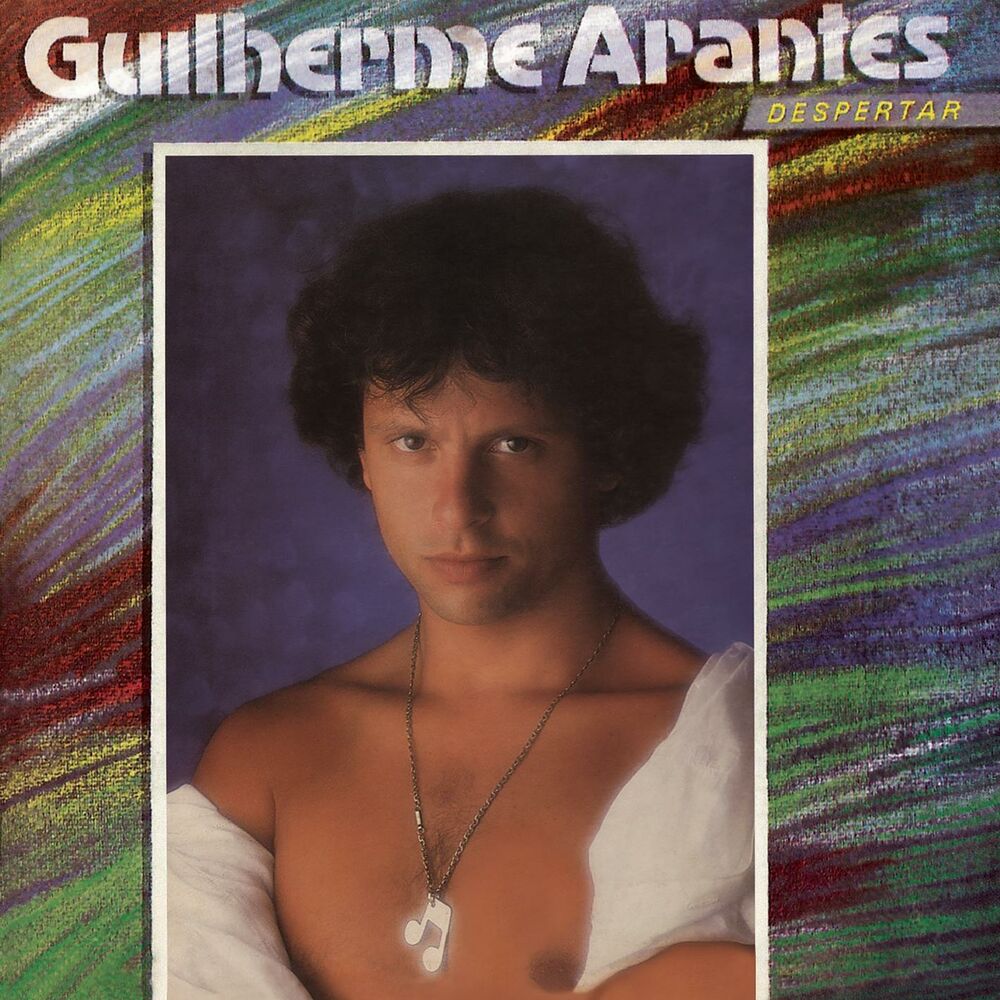
Despertar
Guilherme Arantes
1985
Rankings
Why This Album Matters
Released in 1985, Despertar is the eighth studio album by the acclaimed São Paulo-born singer and composer Guilherme Arantes and represents a crucial moment in his discography. The album solidified Arantes' mastery in moving between sophisticated MPB and more accessible pop, characteristics that made him one of Brazil's great hitmakers. His ability to create captivating melodies and elaborate arrangements, combined with lyrics that explore universal themes such as love and everyday life, makes Despertar a work that continues to resonate with the public. This album is notable for its freshness and the way it incorporates elements of 1980s pop and synth-pop, without losing the authorial identity that was already his trademark. With songs that became instant classics, Despertar is a testament to the talent of Guilherme Arantes as a pianist and composer, an artist whom Ed Motta, incidentally, even compared to the Chopin of contemporary Brazilian music. The album is an invitation to delve into a rich musical universe, which balances lyrical sensibility with the contagious energy of the pop of the time.
Context
In 1985, Guilherme Arantes already possessed a consolidated career and a remarkable history of successes in the Brazilian music scene. After starting his trajectory in the progressive rock band Moto Perpétuo in the 70s, he launched his solo career in 1976, scoring hits like "Meu Mundo e Nada Mais", frequently included in telenovela soundtracks, which made him a household name across the country. Songs like "Planeta Água" and "Deixa Chover", from 1981, had already demonstrated his versatility and the depth of his compositions. The 1980s saw Arantes establish himself as one of the great names in pop and MPB, with a strong influence on the emergence of New Wave in Brazil. In the period preceding Despertar, he was already competing in the charts with other prominent artists from the emerging Brazilian pop scene, consolidating himself as a central and innovative figure in an effervescent market.
Recording
The recording process for Despertar took place between February and April 1985, with Multi Studios, situated in Barra da Tijuca, Rio de Janeiro, as the main location. A peculiarity of the production was the recording of the strings, which were carried out at Estúdio Quattro Uno, in Rome, adding an international dimension to the album's sound. The album's production was overseen by Lauro Salazar, who worked for Chocante Produções. The album's sound is marked by the prominent use of synthesizers and electronic drums, elements that were in vogue in the 1980s and reflected the influence of New Wave, a genre for which Guilherme Arantes was one of the pioneers in Brazil. In addition to Arantes on vocals, piano, keyboards, and melodica, the team of musicians included Lauro Salazar on synthesizers and electronic drums, Leo Gandelman on saxophone, and backing vocals from Fernando Adour, Mariza, Ana, and Simiana.
Songs
Despertar features a repertoire composed predominantly by Guilherme Arantes, demonstrating his prolificacy and talent for creating memorable songs. The album's most successful track is, undoubtedly, "Cheia de Charme", a song composed in homage to the women of Rio, which became an anthem and a classic of Brazilian pop music. Other highlights include "Brincar de Viver", which, despite being a collaboration with Jon Lucien and initially gaining notoriety in the voice of Maria Bethânia, Arantes popularised it in his own interpretation, and "Olhos Vermelhos", which stands out for its more 'new wave' and energetic sound. "Fã Número 1" is another track that stands out, with Arantes paying direct homage to the affection of his admirers, using verses from fan letters received in the lyrical composition. The instrumental track "Pérolas de Neon" and "Despertar do Amor", which offers a reflection on the complexities of emotion, also enrich the album. The album as a whole is characterised by the fusion of MPB and pop, with the prominent presence of synthesizers, which defined the sonic aesthetic of the 80s.
Legacy
Despertar was an expressive commercial success, receiving a gold record for sales exceeding 150,000 copies, a notable achievement for the time. The album generated multiple hits, such as "Cheia de Charme", "Olhos Vermelhos" and "Fã Número 1", which were released as singles and dominated Brazilian radio stations. Critical reception, exemplified by Edgar Augusto of Diário do Pará, recognised Arantes' musical quality, noting his ability to balance artistic expression with commercial appeal. The album consolidated Guilherme Arantes as a "master of Brazilian pop", a title bestowed upon him by Revista Rolling Stone Brasil, the same publication that included him in the list of the 100 greatest Brazilian artists of all time. His ability to achieve 12 number-one songs in the charts in the 80s, the period in which Despertar was released, demonstrates the lasting impact and relevance of his work. The legacy of Arantes and Despertar endures, influencing generations of artists and maintaining its place as a landmark in Brazilian popular music.
Tracks
Credits
Lauro Salazar
Ronaldo Monteiro
Elio Gomes
Franco Finetti
Carlos De Andrade
Niltinho
Gê Alves Pinto
Frederico Mendes
Daeco
Books
Analyses
Despertar – Wikipedia
Wikipedia, the free encyclopaedia
Guilherme Arantes - Despertar 1985 :: Arantes, Guilherme
guilhermearantes.net
Guilherme Arantes: Despertar (1985). Cheia de Charme, Olhos Vermelhos. Fã Número 1, Brincar de Viver. Discography with video and audio samples in mp3.

vinilcdbrasil: CD Guilherme Arantes 1985 - Despertar
vinilcdbrasil.blogspot.com
Thursday, 27 August 2020 CD Guilherme Arantes 1985 - Despertar 01. Cheia de Charme 02. Fã nº 1 (Remix) 03. Você Faz a Moda 04. Férias de Verão 05. Brincar de Viver 06. Olhos Vermelhos 07. Estrela Sensual 08. Gaivotas 09. Pérolas de Neon 10. Despertar do Amor 11. Cheia de Charme (Remix)
Guilherme Arantes - Despertar - Ouvir todas as 10 músicas
ouvirmusica.com.br
Come and listen to "Cheia de Charme", "Fã Número 1", "Você Faz a Moda" and many other songs from the album Guilherme Arantes - Despertar!