Ao Vivo (Montreux Jazz)
Hermeto Pascoal
1979

Rankings
Why This Album Matters
Ao Vivo (Montreux Jazz), by Hermeto Pascoal, released in 1979, is a visceral sonic document that captures the essence of one of Brazil's most unique and innovative musicians on one of the world's most prestigious stages. The album is an explosion of creativity, improvisation, and musicality, overflowing with the inexhaustible energy and multifaceted genius of Hermeto Pascoal and his group. It transcends easy categorisation, navigating between jazz, Brazilian instrumental music, and avant-garde experimentation, creating a truly universal sound. This work represents a culminating moment in Hermeto's trajectory, where his "universal music" manifests in all its spontaneity and richness. It is a work that demands and rewards the listener's attention, revealing new layers with each listen and reaffirming the artist's ability to transform any sound into music. The performance is a testament to his instrumental and compositional mastery, as well as the profound interaction and freedom he cultivated with his musicians.
Context
By 1979, Hermeto Pascoal had already consolidated his reputation as one of the most audacious and visionary Brazilian musicians. His previous collaborations with international figures such as Miles Davis, on the 1971 album Live-Evil, and with Brazilians Airto Moreira and Flora Purim, had already introduced him to a global audience, establishing him as an unparalleled innovator. The invitation to the Montreux Jazz Festival was a recognition of his growing impact on the world music scene, providing him with an ideal platform to express his unchained art at a renowned festival.
Recording
The album was recorded live at the Montreux Jazz Festival in July 1979, capturing the intensity and unpredictability of a Hermeto Pascoal group performance. The live recording's nature is fundamental to the album's experience, capturing the effervescence of the interaction between the musicians and the audience. Originally released as a double LP, the recording documents a show where spontaneity reigned. The lineup accompanying Hermeto included talents such as Itiberê Zwarg on bass, Nenê on drums, percussion and clavinet, Jovino Santos Neto on piano and clavinet, Cacau on clarinet, saxophones and flute, Nivaldo Ornelas on saxophones and flute, and percussionists Pernambuco and Zabelê, who also contributed vocals and effects. Hermeto himself shone on multiple instruments, including soprano saxophone, clavichord, piano, flute, tenor saxophone, and voice, in addition to his vocal experiments.
Songs
The tracks on Ao Vivo (Montreux Jazz) are a melting pot of musical ideas, where harmonic and rhythmic complexity meets melody and improvisational freedom. The album features a vibrant blend of jazz, Brazilian rhythms such as maracatu and forró, and experimental passages that incorporate unconventional sounds and expressive vocalisation. Songs like "Pintando o Sete", "Forró em Santo André", "Remelexo" and "Sax e Aplausos" are examples of the diversity and musical depth explored. "Remelexo", in particular, is notable as a stream of musical consciousness, revealing Hermeto's inventive mind. Hermeto's ability to transition between instruments and textures, from moments of solo virtuosity to intricate group passages, is a trademark throughout the album.
Legacy
Ao Vivo (Montreux Jazz) consolidated Hermeto Pascoal's image as "the sorcerer", "the wizard" or "the champion" of Brazilian instrumental music, a title that reflects his mystical and innovative approach to musical creation. The album is widely considered one of the great moments in his discography, a testament to his captivating performance on an international stage. His unparalleled energy, the dynamics of the compositions, and the genius of the improvisation were widely praised by critics, establishing the album as a benchmark for how Brazilian music could fuse with jazz and experimentation without losing its identity. The album's impact extended, influencing generations of musicians and reinforcing the presence of Brazilian instrumental music on the global scene.
Tracks
Credits
Itiberê Zwarg
Cacau
Nenê
Nivaldo Ornelas
Pernambuco, Rosemarie "Zabelê" Pidner
Jovino Santos Neto
Hermeto Pascoal
Films


Books
Quebra tudo! a arte livre de Hermeto Pascoal
Vitor Nuzzi · 2024
This book offers an in-depth study on the trajectory and 'free art' of Hermeto Pascoal, addressing his vast discography and musical influence throughout almost 88 years of career. Published in 2024, it is a comprehensive biography that will certainly dedicate significant content to the landmark moments of his career, including his renowned live performances and albums such as 'Ao Vivo (Montreux Jazz)'.
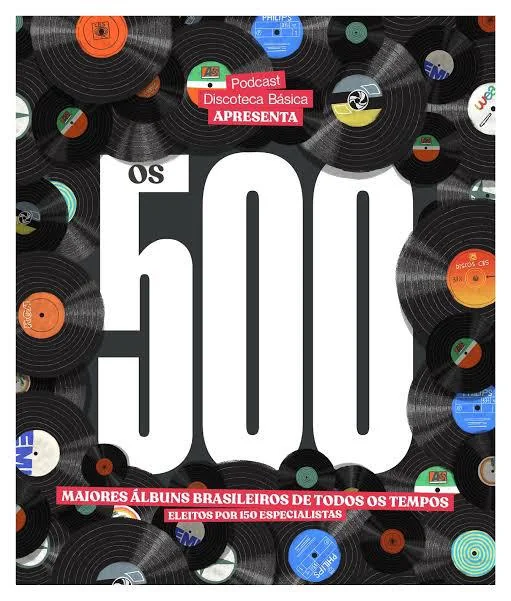
Os 500 Maiores Álbuns Brasileiros de Todos os Tempos
Ricardo Alexandre · 2022
The largest Brazilian music election ever conducted: 162 specialists, spanning journalists, critics, musicians, producers and podcasters, each nominated 50 essential albums, supported by a masterlist of more than 2,000 works. Led by Ricardo Alexandre with tabulation by Sérgio Jomori, it was published in December 2022 as a 200-page hardcover book with graphic design by Fernando Pires.
Analyses
Ao Vivo Montreux Jazz by Hermeto Pascoal (1979) | Jazz Album | All ...
allaboutjazz.com
Listen to and explore Ao Vivo Montreux Jazz by Hermeto Pascoal, released in 1979 on Jazzhead. Read reviews, track listings, and discover more jazz albums on All About Jazz.
Cliquemusic : Disco : AO VIVO MONTREUX JAZZ FESTIVAL
cliquemusic.com.br
Tracks DISC 1 1 Pintando o sete (Hermeto Pascoal) 2 Forró em Santo André (Hermeto Pascoal) 3 Remelexo (Hermeto Pascoal) 4 Bem vinda (Hermeto Pascoal) 5 Sax e aplausos (Hermeto Pascoal) 6 Lagoa da Canoa (Hermeto Pascoal) DISC 2 7 Fátima (Hermeto Pascoal) 8 Terra verde (Hermeto Pascoal) 9 Maturi (Hermeto Pascoal) 10 Quebrando tudo (Hermeto ...
Hermeto Pascoal - Montreux Jazz Festival - Ao Vivo (1979)
musicasdonordeste.net
On this album recorded live at the Montreux Jazz Festival, Hermeto Pascoal, one of the great composers of Brazilian instrumental music, proves that, through his innovative personality, he is indeed constantly enriching Brazilian music.