Na Rua, Na Chuva, Na Fazenda
Hyldon
1975
Rankings
Why This Album Matters
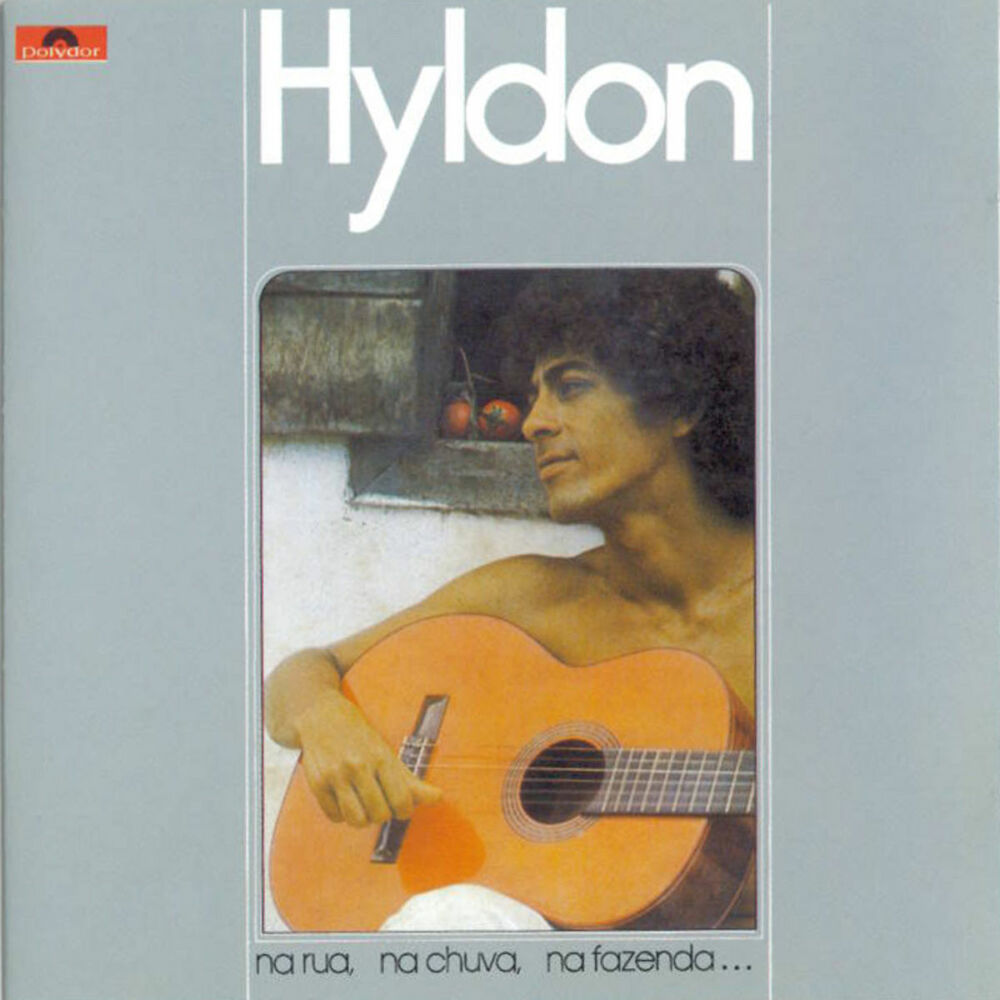
Na Rua, na Chuva, na Fazenda, released in 1975, is the debut album by the multifaceted artist Hyldon and stands as an undeniable pillar of Brazilian soul. Considered a classic and a landmark of Black music in the country, the record solidified Hyldon's name as one of the great precursors of the genre, alongside icons such as Tim Maia and Cassiano. Its engaging sound blends elements of soul, funk, rock, and MPB, creating a unique and timeless musical atmosphere. The album stands out for Hyldon's ability to translate the groove of international Black music to Brazilian reality and sensibility, with sophisticated arrangements and captivating melodies. The work reveals a creation that transcends the barriers of time, maintaining its relevance and freshness over the decades. It is a testament to the richness and diversity of Brazilian popular music of the 70s.
Context
Before releasing his masterpiece, Hyldon built a significant musical career, starting his journey at a young age, sixteen. Influenced by his cousin Pedrinho da Luz, guitarist for The Fevers, he played guitar on Jovem Guarda recordings and performed at dances with his own band, Os Abelhas. Subsequently, Hyldon began composing songs that were recorded by other Jovem Guarda artists and, upon meeting Cassiano and Tim Maia, he was invited to work as a producer at PolyGram. He accepted the proposal on the condition that he could eventually release his own material. For three years, he produced albums for names like Erasmo Carlos, Diana, Wanderléa and all of Odair José's records for Polydor, even playing guitar on the hit "Uma Vida Só". During this period, he continued to compose and create arrangements, reserving songs for his solo project, maturing what would become Na Rua, na Chuva, na Fazenda.
Recording
The journey to recording Na Rua, na Chuva, na Fazenda was marked by challenges and persistence. In early 1973, Hyldon demanded the promise of recording his album and, taking advantage of a mishap with a singer he was producing, he recorded three songs at Estúdio Phonogram, in Rio de Janeiro, with the support of the band Azymuth: "Na Rua, na Chuva, na Fazenda (Casinha de Sapê)", "Meu Patuá" and "Eu Gostaria de Saber". Despite the initial good reception from executives, the Polydor label, through André Midani and Jairo Pires, imposed the condition that only half of the album would be original material, with the rest being covers, a proposal Hyldon vehemently refused. The material remained shelved for almost a year, until, in late 1973, a single with "Na Rua, na Chuva, na Fazenda (Casinha de Sapê)" and "Meu Patuá" was released without promotion. The title track quickly became a hit on Rio and São Paulo radio stations, boosted by DJs like Big Boy, paving the way for the recording of the full LP. In 1974, Hyldon re-entered the studio with the band Azymuth and recorded 12 more songs, three of which would be excluded from the final version of the album and only released in 2003 as bonus tracks. The label still postponed the LP's release until 1975, but the continued success of the singles, including "As Dores do Mundo" and "Sábado e Domingo", finally led to the release of the complete album, produced by Guti Carvalho with arrangements by Hyldon and Waldir Arouca Barros.
Songs
Na Rua, na Chuva, na Fazenda is an album brimming with compositions that became instant classics, characterised by lyrical sensitivity and an unmistakable groove. The title track, "Na Rua, na Chuva, na Fazenda (Casinha de Sapê)", is perhaps the most emblematic, with its unpretentious melody and a touch of melancholy that explores the loss of a love, becoming an anthem of Brazilian music. Other notable successes include "Na Sombra de Uma Árvore", a romantic ballad that exudes lightness, and "As Dores do Mundo", with its poetic lyrics and an engaging arrangement. Songs like "Vamos Passear de Bicicleta", "Acontecimento" and "Sábado e Domingo" complement the album's narrative, presenting everyday themes and universal feelings that resonate with the human experience, all packaged in a sophisticated blend of soul, rock, and MPB.
Legacy
Since its release in 1975, Na Rua, na Chuva, na Fazenda was warmly received by the public and critics, leading the Nopem bestseller charts and spawning multiple hits beyond the title track. The album not only solidified Hyldon's status as one of the three great precursors of Brazilian soul music, alongside Tim Maia and Cassiano, but also exerted a profound and lasting cultural impact in Brazil. Its songs became ingrained in the popular imagination, being used in soundtracks for acclaimed Brazilian films such as Cidade de Deus and Carandiru, and sampled by rappers like MV Bill and Nega Gizza. Artists from different generations have paid homage to Hyldon's work, with Kid Abelha re-recording "Na Rua, na Chuva, na Fazenda (Casinha de Sapê)" in 1996 and again on their Acústico MTV, Jota Quest covering "As Dores do Mundo" on their debut album, and Marisa Monte performing "Acontecimento" on her tours. In 2005, Universal re-released the album in a 30th-anniversary commemorative edition, celebrating the permanence and undeniable influence of this seminal work in Brazilian music.
Tracks
Credits
Hyldon, José Roberto Bertrami
Mario Tavares
Hyldon
Alex Malheiros
Mamão
Hyldon
José Roberto Bertrami
Podcasts

Conversa com Bial · Gshow
Aos 50 anos de 'Na Rua, Na Chuva, Na Fazenda', o soulman apresenta novos álbuns e um documentário sobre sua trajetória.
Videos
Por trás da Canção - Na rua, na chuva, na fazenda - Hyldon / Kid Abelha
kidshomepage
Books
Álbum 2 - 1972 a 1978
Pedro Alexandre Sanches · 2022
The Álbum series recounts the history of Brazilian music starting from its albums, analysing them as creations that transcend time. This volume covers the period from 1972 to 1978, during which Hyldon's album 'Na Rua, Na Chuva, Na Fazenda' (released in 1975) was released and became a landmark.
Os 500 Maiores Álbuns Brasileiros de Todos os Tempos
Ricardo Alexandre · 2022
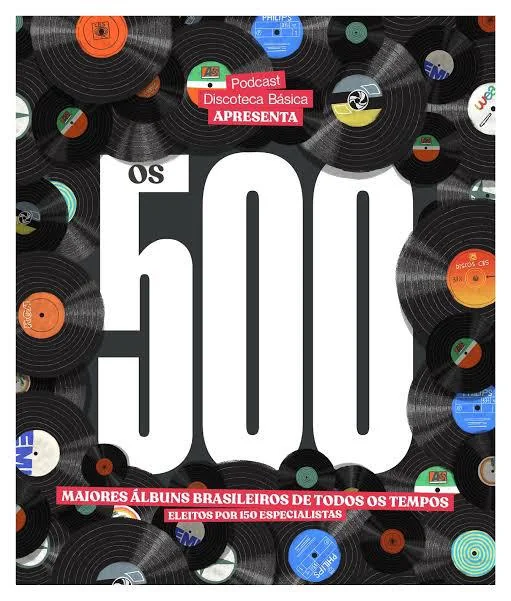
The largest Brazilian music election ever conducted: 162 specialists, spanning journalists, critics, musicians, producers and podcasters, each nominated 50 essential albums, supported by a masterlist of more than 2,000 works. Led by Ricardo Alexandre with tabulation by Sérgio Jomori, it was published in December 2022 as a 200-page hardcover book with graphic design by Fernando Pires.
1976: Movimento Black Rio
Luiz Felipe de Lima Peixoto, Zé Octávio Sebadelhe · 2017
This book traces the genealogy of the Black Rio Movement, which was inspired by North American funk music and became an important social, aesthetic, and musical affirmation in Brazil. Hyldon and his album 'Na Rua, Na Chuva, Na Fazenda' are seminal figures and works of this movement, the book being essential for understanding the album's context.
300 Discos Importantes da Música Brasileira
Charles Gavin, Tárik de Souza, Carlos Calado, Arthur Dapieve · 2008
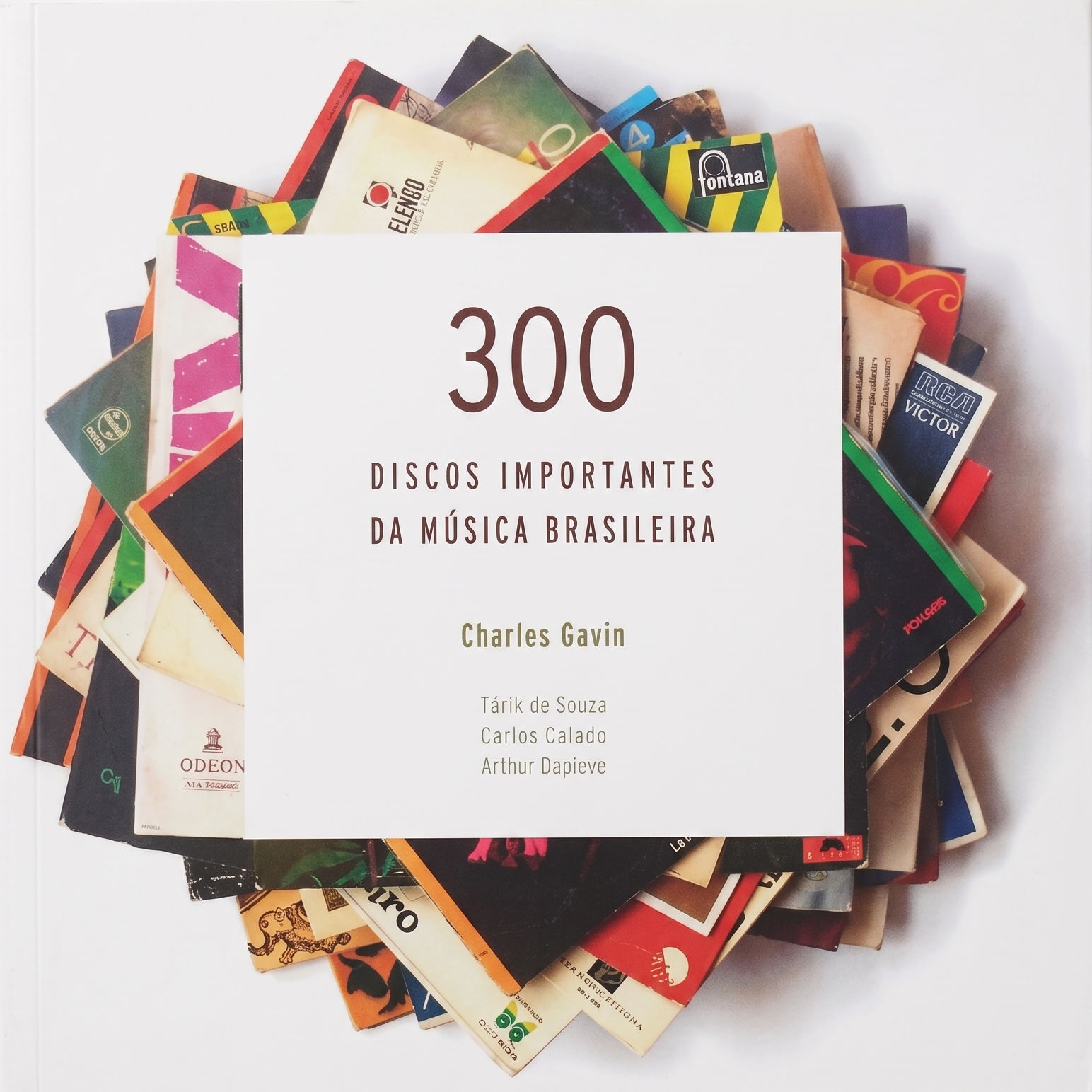
Conceived by Titãs drummer and musical researcher Charles Gavin, the 434-page book brings together covers and reviews of albums released between 1929 and 2007. The texts were written by journalists Tárik de Souza, Arthur Dapieve and Carlos Calado.
Analyses
Na Rua, Na Chuva, Na Fazenda – Wikipedia
Wikipedia, the free encyclopaedia
Vitrola Review | Hyldon - Na Rua, Na Chuva, Na Fazenda - Alataj
alataj.com.br
The single Na Rua, Na Chuva, Na Fazenda (Casinha de Sapê) / Mau Patuá is released and becomes the most requested on radio stations in Rio de Janeiro and consequently across the entire country. In 1975, following the single's success, Hyldon records Na Rua, Na Chuva, Na Fazenda, his debut album via Polydor.
Crítica álbum "Na Rua, na Chuva, na Fazenda" | Armazém Geral - Hyldon
hyldon.com.br
"Na Rua, na Chuva, na Fazenda" is singer Hyldon's debut album, and it was through this album that the musician gained significant notoriety within the Brazilian Black music scene, joining the ranks of great singers of this genre, such as Cassiano and o eterno síndico, Tim Maia.
Hyldon, artista baiano de "Na Rua, Na Chuva, Na Fazenda", relembra ...
jornalnota.com.br
The artist and music producer Hyldon, responsible for one of Brazil's biggest hits in the 70s, is one of the great names of Brazilian Soul, alongside Cassiano and Tim Maia.
"Na Rua, Na Chuva, Na Fazenda", clássico do baiano Hyldon, completa ...
megaradiovca.com.br
The artist and music producer Hyldon, responsible for one of Brazil's biggest hits in the 70s, is one of the great names of Brazilian Soul, alongside Cassiano and Tim Maia.