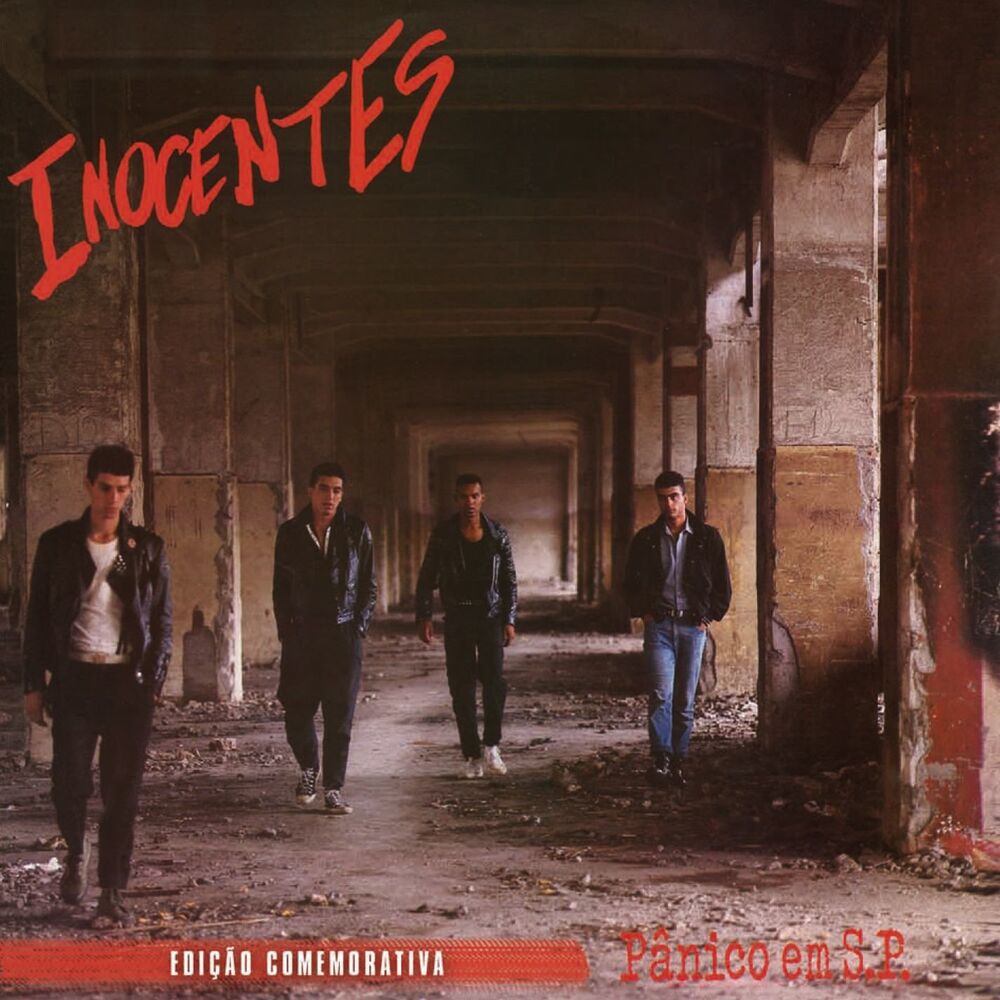
Pânico em SP
Inocentes
1986
Rankings
Why This Album Matters
Pânico em SP, the mini-LP released in 1986 by the band Inocentes, transcends the mere category of a punk rock album to solidify its place as a fundamental milestone in the history of Brazilian music. This work not only represented the first venture of a Brazilian punk band with a multinational record label, Warner Music, but also pioneered a more elaborate and melodic sound within the genre, without sacrificing the urgency and social criticism that defined the movement. Distancing itself from the rawer hardcore of their previous works, such as the EP "Miséria e Fome", Pânico em SP demonstrated a musical evolution that incorporated post-punk elements, making it accessible to a broader audience while maintaining its authenticity and challenging stance. It is a record that captures the effervescence of a Brazil in transition, reflecting the daily life of a chaotic São Paulo and the anxieties of a youth clamouring for a voice.
Context
Inocentes emerged in 1981 within the effervescent São Paulo punk scene, formed by former members of pioneering bands such as Restos de Nada and Condutores de Cadáver. The band quickly became one of the spokespersons for the movement, participating in seminal compilations like Grito Suburbano and the historic festival "O Começo do Fim do Mundo" in 1982, events that consolidated the 'do-it-yourself' spirit of Brazilian punk. Brazil at that time was experiencing the last throes of the military dictatorship and the first years of redemocratisation, a period marked by economic crisis, inflation, and urban violence, which fuelled the revolt and the need for expression among marginalised youth. After a hiatus in 1983, the band returned in 1984 with a new line-up and a more refined sonic proposition, culminating in their signing with Warner. This decision to move to a major label was a turning point, generating debates about 'ideological betrayal' within the punk scene, but allowing Inocentes' message to reach a much wider audience, solidifying their role as one of the most important groups in national rock.
Recording
The mini-LP Pânico em SP was recorded in 1986 at the renowned Estúdio Mosh in São Paulo. Founded in January 1980 by Oswaldo Malagutti Jr. and Hélio Santisteban, Mosh was already an ascending studio at the time, having acquired 24-channel analogue recorders in 1985 and operating almost 18 hours a day. This provided the band with a professional recording environment, far from the raw, independent sound of their early recordings. The album's production was overseen by Branco Mello, known for his work with Titãs, and Pena Schmidt, an important figure in the Brazilian music industry, with artistic direction by Liminha. This formidable team contributed to refining Inocentes' sound, balancing the inherent aggression of punk with a technical and melodic quality that would become a distinctive characteristic of the album and the band's subsequent phase.
Songs
The twelve tracks on Pânico em SP, mostly composed by Clemente Nascimento, weave a dense and multifaceted panorama of Brazilian reality at the time, focusing on urban anxieties and contradictions. Songs like "Rotina" open the work autobiographically, exploring the exhaustion of the workday and the concrete oppression of the factory floor, a cradle for São Paulo punk. "Ele Disse Não" stands out for addressing an internal band conflict: former vocalist Ariel Uliana Junior's refusal to sign with a major record label, transforming this ideological divergence into a manifesto about resistance and authenticity. The title track, "Pânico em SP", with its repetitive and urgent chorus, evokes the feeling of confusion and unmotivated violence that plagued the metropolis, mentioning firefighters, the army, and military police 'ready to shoot', reflecting social tension. Other themes, such as São Paulo nightlife in "Não Acordem a Cidade" and geopolitical issues in "Salvem El Salvador", demonstrate the album's lyrical breadth, which successfully translated the chaos and hope of a generation.
Legacy
Pânico em SP not only opened doors for Brazilian punk rock in the mainstream, but also cemented Inocentes' status as one of the most important and influential bands of the genre. In July 2016, Rolling Stone Brasil magazine voted it the 6th best punk rock album in Brazil, a recognition that attests to its lasting relevance. The album had hits like "Rotina" and "Ele Disse Não" well-played on specialist radio stations, extending the reach of the punk message beyond the underground circuit. Its CD re-release in 2002 by WEA and, more recently, the 35th anniversary commemorative version launched in 2021, which included live bonus tracks, confirm its status as a timeless classic of 80s national rock. The impact of Pânico em SP lies in its ability to combine the raw energy of punk with a more polished production and incisive lyrics, serving as inspiration for countless bands and solidifying the idea that punk could indeed have space and a voice in mainstream media without losing its challenging essence.
Tracks
Credits
Liminha
Branco Mello, Pena Schmidt
Clemente Tadeu Nascimento, Marcelino
Calil Neto
Branco Mello, Callegari, Marcelino, Paulo Barnabé
André Parlato, Ronaldo Passos
Tonhão
Clemente Tadeu Nascimento
Ricardo Carvalheira
José Oswaldo Martins
Luiz Prado, Rui Plantinha
Inocentes, Silvia Panella
Can Robert
Paulo Vasconcellos
Podcasts
![#38 O Concreto Já Rachou (1986) - Plebe Rude / Pânico em SP (1986) - Inocentes [NA AGULHA]](https://i.scdn.co/image/ab6765630000ba8a539c93571f5ee66bfc3bbcd8)
Ultradiscos Podcast · Fernando Lima
Ouvimos "O Concreto Já Rachou", da Plebe Rude, e "Pânico em SP", dos Inocentes, dois discos de 1986. Comentamos faixa a faixa e falamos um tanto sobre o cenário musical da música e do punk nos anos 1980 e, porque não?, da nossa decepção com a Copa do Mundo do México, vencida pelo deus Diego Armando Maradona.
Produzido por Branco Mello (Titãs) e Pena Schmidt, Pânico em SP, dos Inocentes, marcou a entrada de uma banda punk paulistana em uma gravadora multinacional (Warner). O álbum, chegando em 2026 aos quarenta anos, é considerado um clássico do rock nacional dos anos 1980 e fundamental pra entender o punk brasileiro. Suas seis faixas ainda soam contundentes e as letras mais atuais do que nunca.See om
Books
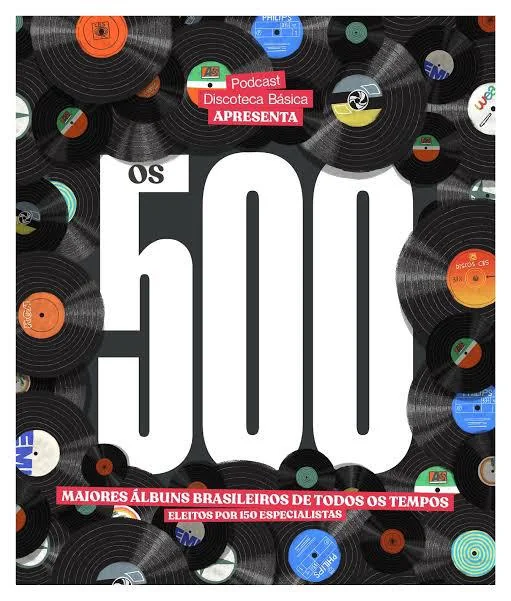
Os 500 Maiores Álbuns Brasileiros de Todos os Tempos
Ricardo Alexandre · 2022
The largest Brazilian music election ever conducted: 162 specialists, spanning journalists, critics, musicians, producers and podcasters, each nominated 50 essential albums, supported by a masterlist of more than 2,000 works. Led by Ricardo Alexandre with tabulation by Sérgio Jomori, it was published in December 2022 as a 200-page hardcover book with graphic design by Fernando Pires.
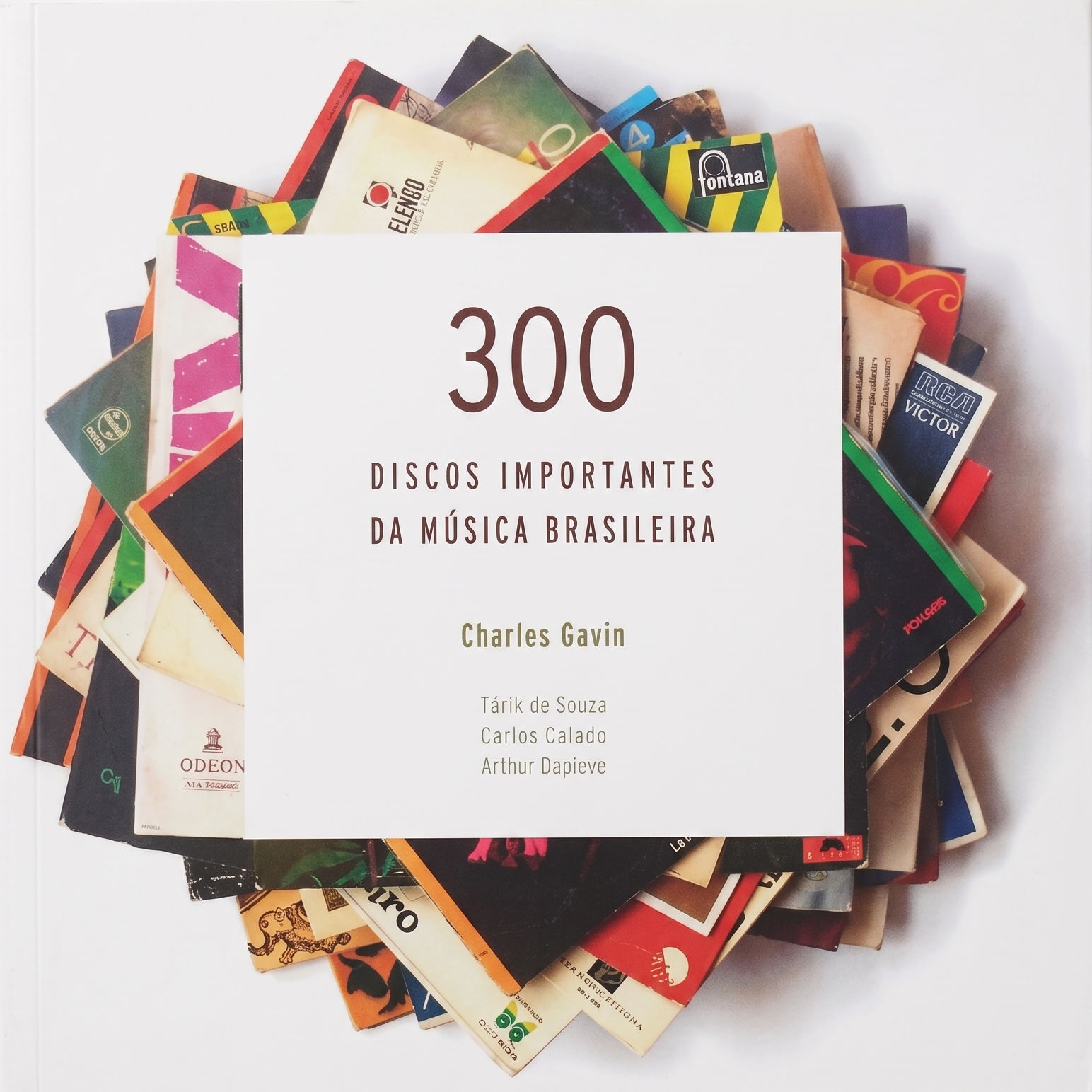
300 Discos Importantes da Música Brasileira
Charles Gavin, Tárik de Souza, Carlos Calado, Arthur Dapieve · 2008
Conceived by Titãs drummer and musical researcher Charles Gavin, the 434-page book brings together covers and reviews of albums released between 1929 and 2007. The texts were written by journalists Tárik de Souza, Arthur Dapieve and Carlos Calado.
Dias de luta
Ricardo Alexandre · 2002
Considered one of the most complete works on 1980s Brazilian rock, this book by Ricardo Alexandre explores in depth the musical scene and its socio-political context, detailing bands and albums that marked the decade, including the trajectory of Os Inocentes and their releases.
Analyses
Pânico em SP – Wikipedia
Wikipedia, the free encyclopaedia
Inocentes - Panico em S.P. Mini-LP — Barstool Revolution
barstoolrevolution.com
In 1983 Inocentes from Sao Paolo in Brazil self-released a fantastic raw hardcore punk 7" titled "Miseria E Fome". Unfortunately even the reissue is so rare that at this point I won't be reviewing said classic.
Inocentes - Pânico em SP (1986) | cenaindie
cenaindie.com
The album 'Pânico em SP', by the band Inocentes, is described as a national punk rock classic. The personal review evokes memories of a period, between 2007 and 2008, when the record was constantly listened to, marking a phase of involvement with the punk scene.
Inocentes - O dia em que o punk ocupou espaço: 40 anos de "Pânico em SP"
rockonboard.com.br
What was a historical denunciation remains a contemporary tragedy. The closing with 'Pânico em SP' completes the circle. After the factory, ideological divergence and international conflicts, the album returns to the city. Violence, fear and urban tension do not appear as rhetoric — they are a portrait.
Inocentes - O dia em que o punk ocupou espaço: 40 anos de "Pânico em SP"
rocknoticias.com.br
In 1986, if you had told someone from the São Paulo punk scene that a band from the North Zone would release an album through a multinational, the reaction would probably have been one of distrust — or revolt.