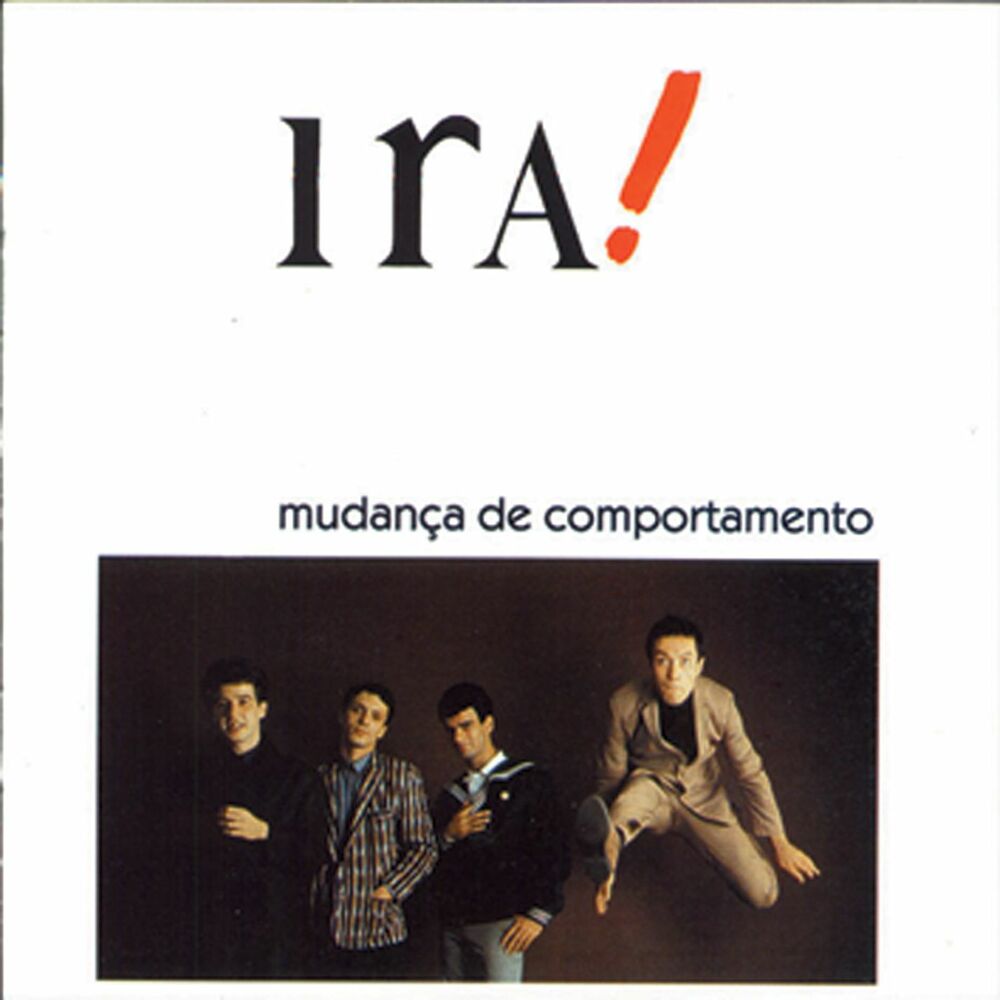
Mudança de Comportamento
Ira!
1985
Rankings
Why This Album Matters
Clandestino, Ira!'s fourth album, released in 1990, emerged as a work of experimentation and rupture for the band, despite being recorded during a period of creative crisis acknowledged by the members themselves. Even in the face of difficulties, the album demonstrated a search for new sonorities, unfolding the band's style in unexpected directions. The album stands out for its audacity in incorporating elements from diverse musical genres. Songs like "Melissa" flirt with capoeira rhythms through Nasi's vocal melody and the use of the berimbau, whilst "Cabeças Quentes" transitions surprisingly from samba to hard rock, showcasing the group's instrumental versatility. The exploration of samplers, which had already characterised the previous work, reappears, adding sonic layers and cultural references, such as Salvador Allende's speech and the opening of the "Repórter Esso".
Context
Released amidst the turbulent period of the Collor Plan in Brazil, Clandestino reflects a phase of turmoil within Ira! itself. The band was experiencing a creative crisis, partly driven by the release of Edgard Scandurra's first solo album, Amigos Invisíveis. This scarcity of new material led the group to revisit old compositions, some dating from even before the band's first album, such as "O Dia, A Semana, O Mês", "Nasci em 62" and the title track, composed by Scandurra back in the days of the group Subúrbio, the embryo of Ira!.
Recording
The recording of Clandestino took place between October 1989 and February 1990, a process that the members themselves described as bureaucratic and carried out by a band "in pieces". It featured the special participation of actor Paulo Villaça, known for his role in the film O Bandido da Luz Vermelha, who had already served as inspiration for the previous album, Psicoacústica. Samplers, a technique explored in Psicoacústica, were employed again. The title track incorporates an excerpt from Salvador Allende's last speech, taken from the documentary "No", whilst the introduction to "Nasci em 62" revives the emblematic opening of the radio news programme "Repórter Esso".
Songs
Clandestino's repertoire is notable for the reinterpretation of previously composed material. Songs like "O Dia, A Semana, O Mês", "Nasci em 62" and the title track "Clandestino" were retrieved from earlier periods of the band, revealing the longevity of Edgard Scandurra's compositional ideas. The song "Cabeças Quentes", in turn, was written four years before the album's release. Among the tracks, "Melissa" stands out for its sound inspired by capoeira circles, featuring Nasi's voice and the inclusion of berimbau. Meanwhile, "Cabeças Quentes" presents an unexpected fusion of samba with hard rock elements, which intensifies from the middle of the song, and includes a quotation of the chorus from The Doors' "Roadhouse Blues". The ballad "Tarde Vazia" achieved reasonable radio airplay, contributing to the album's visibility.
Legacy
With a modest commercial performance, registering around 30,000 copies sold, Clandestino generated a polarised critical reception upon its release. Whilst publications like Folha de S. Paulo, through Luís Antônio Giron, praised its musicality "devoid of easy proselytism" and the group's "sonic texture", Veja magazine also highlighted the "lean arrangements" and Edgard Scandurra's guitar work. On the other hand, there were negative reviews, such as André Forastieri's in Bizz magazine, who considered it "excruciatingly boring" and the "band's worst album". Arthur Dapieve, in his book BRock, pointed to the "embarrassing lyrics" and "Nasi's unstable vocals" as weaknesses, although he acknowledged the instrumental quality and positive moments in tracks like "Melissa" and "Cabeças Quentes".
Tracks
Credits
Liminha
Pena Schmidt
Marcos Valadão
Ricardo Gaspa
André Jung
Edgard Scandurra
Marcio Montarroyos
Vitor Farias
Marco Vallada
Rui Mendes
Podcasts
CMM · Crazy Metal Mind
Episódio originalmente publicado em 22/02/2021. No 504º episódio do Podcast mais Rock’n Roll da internets Rômulo Konzen, Daniel Iserhard e Flávio Bandeira batem papo sobre o disco Mudança de Comportamento do Ira!. Trilha sonora do podcast (na ordem): *Ira! - Núcleo Base *Ira! - Longe de Tudo *Ira! - Sonhar Com Quê *Ira! - Longe de Tudo *Ira! - Núcleo Base *Ira! - Mudança de Comportamento *Ira!

Em meio à abertura política, o fim da ditadura e às transformações culturais do Brasil pós-Rock in Rio, a banda Ira! chega com seu disco de estreia falando de uma realidade urbana suja e crua, ao mesmo tempo que é agridoce em suas baladas românticas. Mudança de Comportamento foi mais um dos símbolos do amadurecimento da cena roqueira do Brasil dos anos 80 e segue como um de seus melhores represent
Videos
"Mudança de comportamento": a estreia do Ira! | Disco do Dia | Alta Fidelidade
Alta Fidelidade
Books
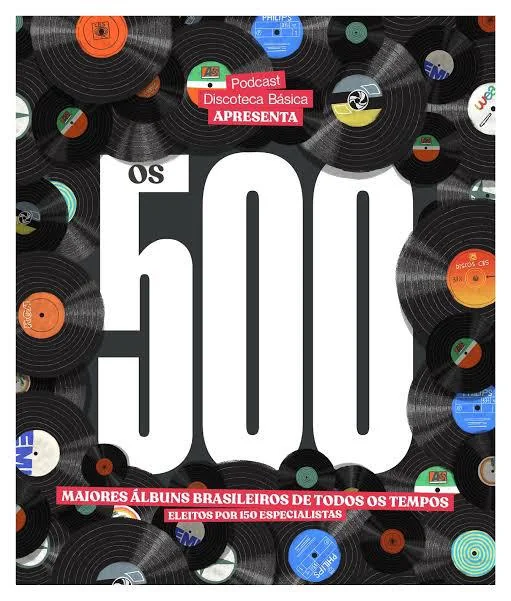
Os 500 Maiores Álbuns Brasileiros de Todos os Tempos
Ricardo Alexandre · 2022
The largest Brazilian music election ever conducted: 162 specialists, spanning journalists, critics, musicians, producers and podcasters, each nominated 50 essential albums, supported by a masterlist of more than 2,000 works. Led by Ricardo Alexandre with tabulation by Sérgio Jomori, it was published in December 2022 as a 200-page hardcover book with graphic design by Fernando Pires.
A ira de Nasi
Mauro Beting, Alexandre Petillo · 2012
This is the biography of Nasi, the iconic vocalist of the band Ira!. The book explores his personality, his life's trajectory marked by excesses and controversies, and, by extension, the history of the band, being an essential source for understanding the context and creation of important albums like 'Mudança de Comportamento'.
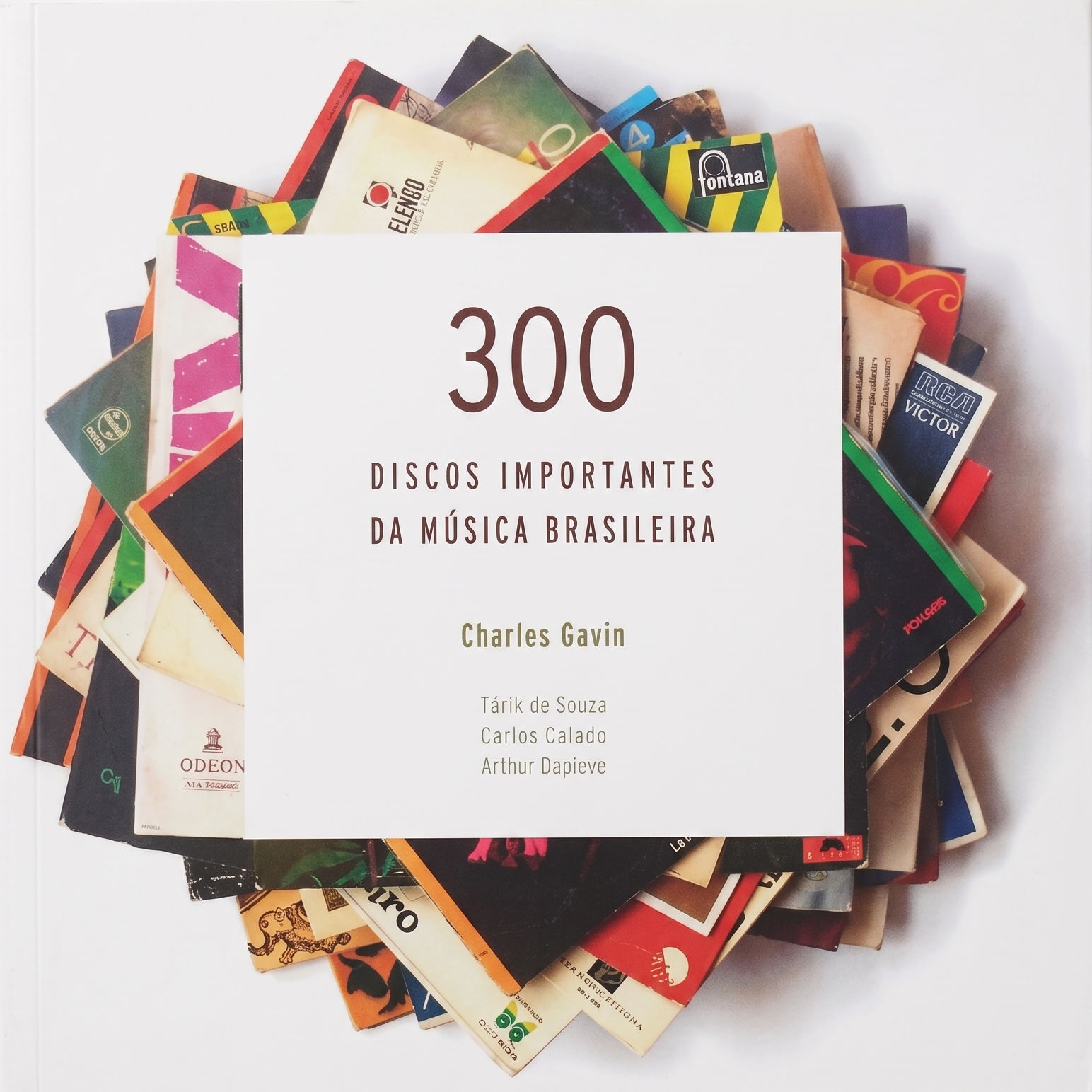
300 Discos Importantes da Música Brasileira
Charles Gavin, Tárik de Souza, Carlos Calado, Arthur Dapieve · 2008
Conceived by Titãs drummer and musical researcher Charles Gavin, the 434-page book brings together covers and reviews of albums released between 1929 and 2007. The texts were written by journalists Tárik de Souza, Arthur Dapieve and Carlos Calado.
Analyses
IRA! e o grito das ruas: 'Mudança de Comportamento' e o nascimento de ...
teoriacultural.com.br
Released in 1985, Mudança de Comportamento is not just Ira!'s debut album — it's the birth of an urgency. A debut that arrives without asking permission, but kicks the door wide open, guitar in hand and urban poetry on the tip of its tongue.

IRA! - Mudança de comportamento - 1985
joiasdamusica.blogspot.com
It is on this album that one finds what is perhaps its greatest classic. 'N.B. (Núcleo Base)' was composed by Edgard Scandurra at the time he served in the Army, representing a true anti-military enlistment manifesto.

Ira! - Mudança De Comportamento (1985) - BR 320
br320.blogspot.com
Although many believe the name 'Ira' was inspired by the Irish Republican Army, it merely refers to the feeling of wrath. As there were many misunderstandings about the name, an exclamation mark was added in an attempt to put an end to other interpretations, thus changing it to 'Ira!'.
Memory Remains: Ira! - "Mudança de Comportamento" é o novo quarentão do ...
headbangersnews.com.br
Forty years ago, in May 1985, Ira! released 'Mudança de Comportamento', their debut album, which is the subject of our Memory Remains this Thursday, TBT day.