Psicoacústica
Ira!
1988
Rankings
Why This Album Matters
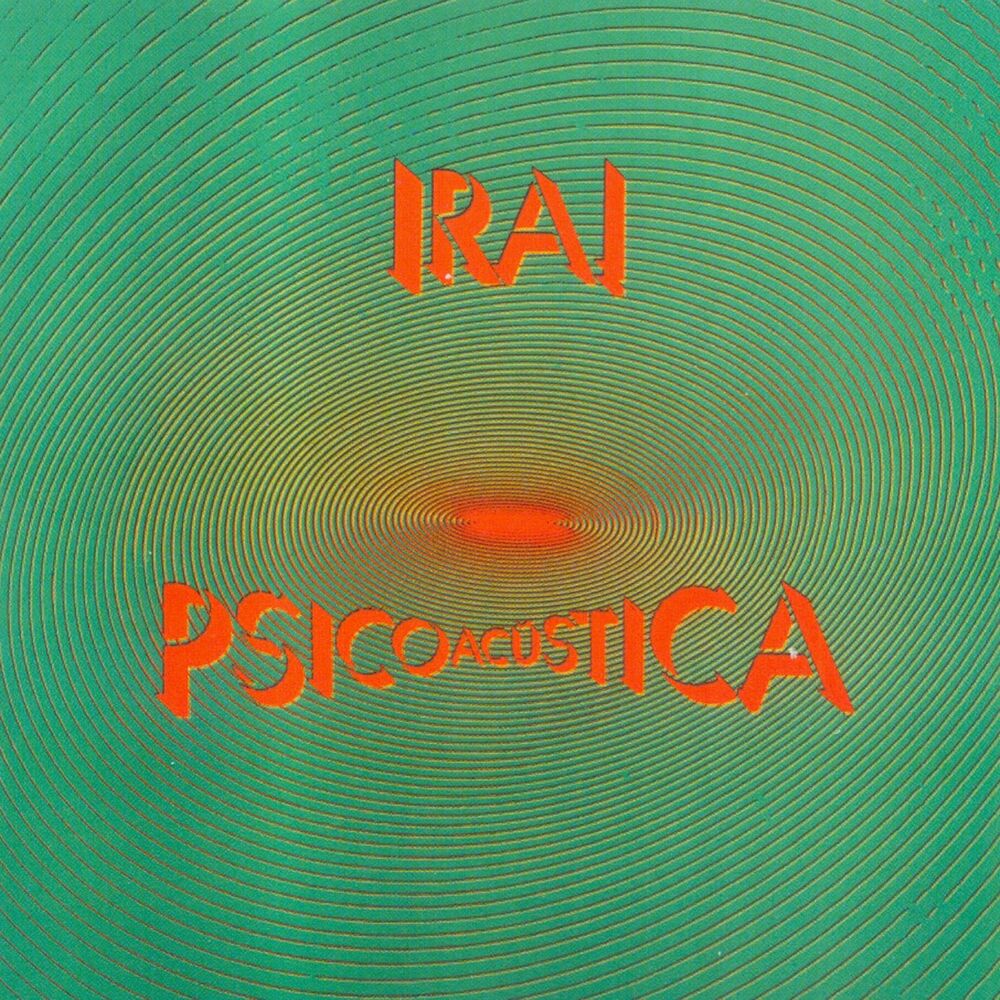
Psicoacústica, Ira!'s third studio album released in 1988, is a work notable for its audacity and vision, positioning itself as one of the band's most revered records. At a time when Brazilian rock was exploring more conventional sounds, Ira! opted for an experimental approach, incorporating tracks in styles uncommon for the media of the era. Its hermetic aspect lent it an anti-commercial aura, but solidified its reputation as an innovative work. The album marks a notable transition in the group's musical direction, which, whilst maintaining its rock roots, did not hesitate to flirt with various genres such as reggae, hard rock, psychedelic rock, and even a fusion of rock, rap, and embolada nordestina. This sonic breadth, combined with the pioneering use of samplers in Brazilian recordings, demonstrates Ira!'s ambition and creativity in expanding the horizons of rock produced in Brazil. Four tracks on the record employed these resources, which added a layer of complexity and modernity to the sound.

The influence of Rogério Sganzerla's cinema ('Rubro Zorro'), of hip-hop ('Advogado do Diabo'), and the cover with holograms, made the album one of the boldest of its time.
Leonardo Dias Pereira · Rolling Stone Brasil
Context
Psicoacústica's release took place months after Ira!'s impactful performances at the Hollywood Rock festival in January 1988, a moment of effervescence for the Brazilian music scene. In this scenario, the band found itself at a creative turning point, seeking to explore new directions after the more mod-influenced sound of their first two albums.
Recording
Psicoacústica was one of the first Brazilian albums to incorporate samplers in its recordings, an innovative technological resource for the time. Four tracks on the record made use of these elements, often inserted by vocalist Nasi, which contributed to the work's complexity and sonic texture. Audio excerpts were taken from various sources, such as the film O Bandido da Luz Vermelha, heard in songs like "Rubro Zorro" and "Pegue Essa Arma", with lines such as "it's a third world western!" and "And the third world will explode!". The song "Advogado do Diabo" concludes with a speech by the president of the LBV, Paiva Netto, broadcast on AM radio, whilst "Farto do Rock 'n' Roll" reproduces audience sounds from a show. Another notable factor that influenced the album's conception was the "verão da lata" (tin summer), which occurred between 1987 and 1988, a period marked by the incident of the Solana Star ship's sinking, which brought large quantities of Asian cannabis to Brazilian beaches.
Songs
The album Psicoacústica is a mosaic of styles, with Ira! traversing varied genres. One can find reggae in "Receita Para Se Fazer um Herói", hard rock in the only song not sung by Nasi, "Farto do Rock 'n' Roll" performed by Edgard Scandurra, and psychedelic rock in "Mesmo Distante". Only "Manhãs de Domingo" and "Poder, Sorriso, Fama" maintain the mod sound of the band's previous works, with the former featuring the expression "amigos invisíveis" (invisible friends) used by Edgard, which would go on to name his first solo album. One of the highlights of the album's eclecticism is "Advogado do Diabo", which, in a vanguard manner, blends elements of rock, rap, and embolada nordestina. This track was particularly revered by Chico Science, who included it in Nação Zumbi's performances, evidencing Ira!'s connection to the future manguebeat movement. The foray into rap came from Nasi and André Jung's admiration for hip-hop culture, whilst Edgard Scandurra, visibly uncomfortable with this exploration, expressed his discontent in the lyrics of "Farto do Rock 'n' Roll", leaving a "message" for his bandmates.
Legacy
Psicoacústica is widely recognised as one of the most important albums in Brazilian rock, featuring on Rolling Stone Brasil's list of the 100 greatest national music records, in 81st position. Despite its critical success, initial sales were modest, reaching only 50,000 copies, reflecting its "anti-commercial aura" at the time of its release. Critical reception was extremely positive. Arthur Dapieve, from Jornal do Brasil, praised how the studio was used to "dirty the sound with infinite neo-psychedelic effects", highlighting the band's evolution. Thales de Menezes, from Folha de S. Paulo, highlighted Ira!'s boldness in breaking with traditional structures, creating meticulous arrangements and sometimes antagonistic rhythmic segments. Furthermore, the song "Advogado do Diabo" exerted a notable influence on the manguebeat movement, being praised and performed live by Chico Science, solidifying Ira!'s role as a precursor for future generations of musicians.
Tracks
Credits
Ira!, Paulo Junqueiro
Nasi
Ricardo Gaspa
André Jung
Edgard Scandurra
Roberto Firmino, William Forghieri
Don Harris
Podcasts
Antigas Novidades - podcast de heavy metal, rock progressivo, jazz, blues, MPB e rock classico · Antigas Novidades do Rock
Hoje vamos mergulhar em um dos discos mais ousados e polêmicos do rock brasileiro: Psicoacústica, lançado pelo Ira! em 1988. Esse álbum marcou um rompimento com o formato tradicional da banda, misturando rock, rap, dub, punk e experimentações eletrônicas, e dividiu crítica e público na época. Foi um passo à frente na cena musical brasileira e ainda hoje desperta debates sobre sua ousadia estética.
Silêncio no Estúdio Podcast · Silêncio no Estúdio
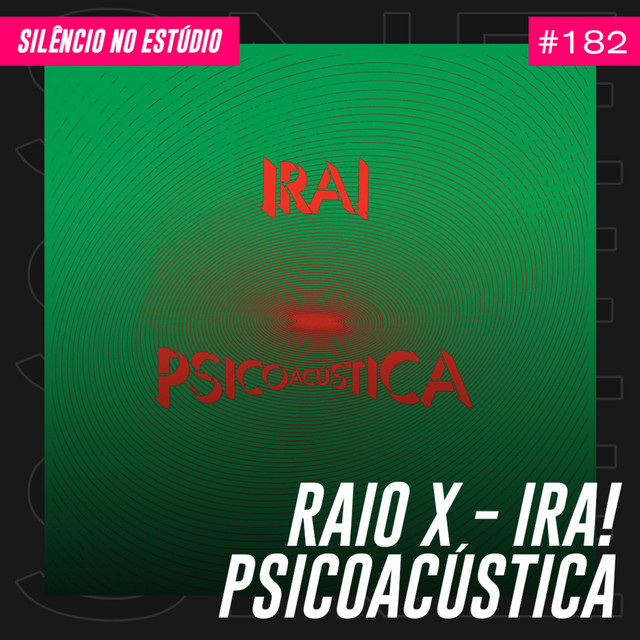
O ano era 1988 e o Ira! estava com tudo, embalado pelo estrondoso sucesso de “Vivendo e Não Aprendendo”, com a canção “Flores em Você” incluída na abertura de novela da Rede Globo e um grande show no festival Hollywood Rock. Meses depois, para desespero de sua gravadora, a banda apresentava para lançamento um disco totalmente anticomercial. Neste episódio, Márcio Viana conta histórias e curiosida
Videos
IRA! - PSICOACÚSTICA - 35 ANOS - O QUE PENSO
Na Ponta da Agulha
Books
Os 500 Maiores Álbuns Brasileiros de Todos os Tempos
Ricardo Alexandre · 2022
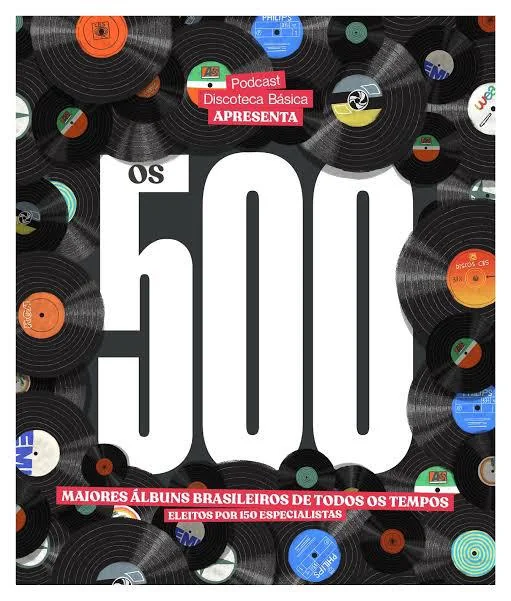
The largest Brazilian music election ever conducted: 162 specialists, spanning journalists, critics, musicians, producers and podcasters, each nominated 50 essential albums, supported by a masterlist of more than 2,000 works. Led by Ricardo Alexandre with tabulation by Sérgio Jomori, it was published in December 2022 as a 200-page hardcover book with graphic design by Fernando Pires.
A ira de Nasi
Mauro Beting, Alexandre Petillo · 2012
This biography explores the life and career of Nasi, the vocalist of the band Ira!, detailing his personal and professional journeys, including challenges with chemical drugs and the behind-the-scenes aspects of his musical career. It is a definitive source for understanding the artist behind the voice of Ira!.
Analyses
Psicoacústica – Wikipedia
Wikipedia, the free encyclopaedia
Psicoacústica – The 100 Greatest Albums of Brazilian Music
Leonardo Dias Pereira · Rolling Stone Brasil
The influence of Rogério Sganzerla's cinema ('Rubro Zorro'), of hip-hop ('Advogado do Diabo'), and the cover with holograms, made the album one of the boldest of its time.
Resenha - Psicoacústica - Ira! - Whiplash.Net
whiplash.net
Coming from two albums of undeniable quality, acclaimed by the public, and a turbulent experience with critics, the group presented a new work that surprised everyone with its proposal...

"Psicoacústica" (Warner, 1988), Ira!
discosessenciais.blogspot.com
Entitled Psicoacústica, Ira!'s third studio album was released on 11 May 1988, met with much praise from the press, but surrounded by much distrust from the public and even from the Warner record label itself, responsible for releasing the album.
Ao vivo: Ira! revisita "Psicoacústica" em 40 minutos impecáveis e ...
screamyell.com.br
The B-side of the album brings to light the magnificent "Pegue Essa Arma", one of the rare moments of the show where the original rhythm section (André Jung and Ricardo Gaspa) is missed.