Vivendo e Não Aprendendo
Ira!
1986
Rankings
Why This Album Matters
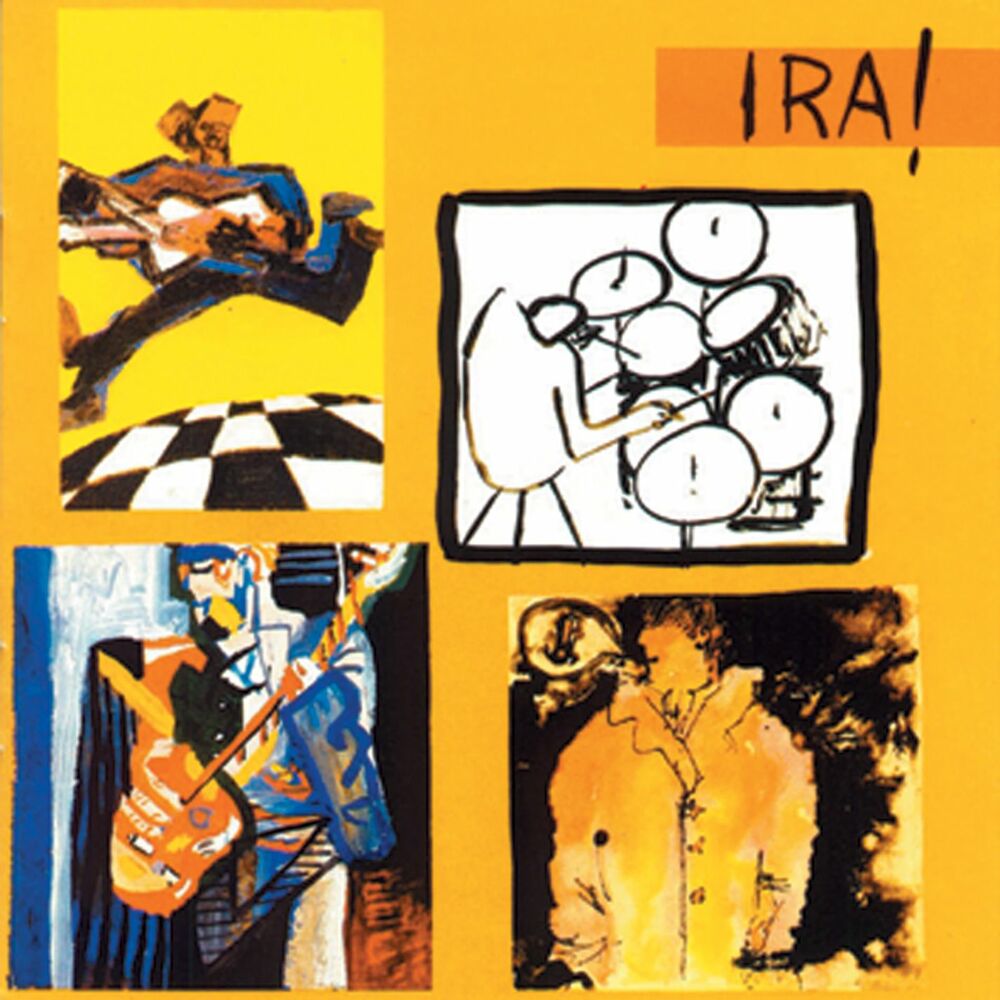
Vivendo e Não Aprendendo, Ira!'s second studio album, released in 1986, represents a fundamental landmark in the band's career and in the Brazilian rock scene of the 1980s. The album solidified the band's sonic identity, blending the raw energy of punk rock and post-punk, which characterised their early compositions, with a notable melodic evolution and more elaborate arrangements. This fusion resulted in a work that, without losing its rebellious attitude and the effervescence of its origins, reached a wider audience and consolidated Ira! as one of the pillars of the musical scene of that decade. The album stands out for its cohesive sound and lyrical maturity, addressing themes ranging from social criticism to existential reflections and the blossoming of more introspective emotions. The ability to transition between the urgency of tracks like "Dias de Luta" and the orchestrated delicacy of "Flores em Você" demonstrates Ira!'s versatility during a period of great experimentation in national rock. Vivendo e Não Aprendendo is, therefore, an essential work for understanding the band's aesthetic evolution and its contribution to the diversity of Brazilian music at the time.

For these and other reasons, it became the go-to album for many rockers throughout the 80s.
José Julio do Espírito Santo · Rolling Stone Brasil
Context
Released in the mid-1980s, Vivendo e Não Aprendendo emerged during a period of intense cultural effervescence in Brazil, marked by the political transition from military dictatorship to re-democratisation. This scenario of new freedoms and social questioning propelled the emergence of a prolific national rock scene, where bands like Ira! became the voice of a generation. The band's previous album, Mudança de Comportamento (1985), had already introduced their distinctive sound, based on punk and post-punk, but it was with this second work that the São Paulo-based group consolidated its artistic proposition and prepared to achieve a broader level of recognition.
Recording
The production of Vivendo e Não Aprendendo was an intense and, at times, turbulent process, recorded between May and June 1986, primarily at Estúdio Nas Nuvens in Rio de Janeiro. The band, heavily influenced by groups like The Jam, sought a specific sound which, for producer Liminha, sounded "out of tune," generating significant friction. Aesthetic disagreements and Liminha's interventions in the creative process, particularly during the recording of "Flores em Você," led to tensions that culminated in the transfer of mixing and part of the recording to São Paulo, under the supervision of Pena Schmidt. The recording of "Flores em Você" is particularly emblematic of these conflicts. The song, which would become one of the album's biggest hits, was built upon a string quartet arrangement, accompanying Nasi's vocals and Edgard Scandurra's guitar. The complexity of the arrangement and the band's artistic vision for the track, despite its subsequent success, sealed the definitive rupture in the relationship between Ira! and Liminha during production. In addition to the studio sessions, the album included two tracks, "Gritos na Multidão" and "Pobre Paulista," recorded live on 3 May 1986, at the Broadway concert venue in São Paulo, adding an energetic and authentic dimension to the final work.
Songs
The repertoire of Vivendo e Não Aprendendo is an amalgamation of tracks that became anthems of Brazilian rock, demonstrating Edgard Scandurra's versatility and compositional depth. "Flores em Você," for example, is one of the album's highlights, notable for its sophisticated string quartet arrangement, which alludes to influences from The Beatles' "Eleanor Rigby" and The Jam's "Smithers-Jones." Its striking melody and poetic lyrics transformed it into a massive success, establishing itself as a soap opera theme song and one of the most played songs on Brazilian radio in 1987. Other major highlights include the urgency of "Dias de Luta," whose title inspired the book about the band's history, and the introspection of "Envelheço na Cidade," both songs that encapsulate the characteristic energy and melancholy of Ira! from that era. The album also revisits songs from their debut single, such as "Gritos na Multidão" and "Pobre Paulista," presented in vibrant live versions. The track "Pobre Paulista," composed by Edgard Scandurra in his youth, generated significant controversy due to sections that were interpreted as regionalist. However, the band always maintained that the lyrics were a veiled critique of governmental oppression and supporters of the military dictatorship, rather than a xenophobic attack.
Legacy
Vivendo e Não Aprendendo not only solidified Ira!'s career but also left a lasting legacy in Brazilian music. The album was a resounding success with both audiences and critics, selling around 180,000 copies at the time of its release and achieving "gold record" status, remaining the band's best-selling album for over a decade, until Acústico MTV. Its importance is recognised to this day, being included in Rolling Stone Brasil magazine's list of the 100 greatest Brazilian music albums, at 94th position. The album's impact extended beyond sales, with episodes that marked the group's rebellious attitude, such as their refusal to participate in the Cassino do Chacrinha Christmas special. The controversial performance at the 1988 Hollywood Rock festival, where technical problems led Edgard Scandurra to smash his guitar on stage, also became part of the band's mythology, reinforcing their image of authenticity and rebellion. The album was remastered and re-released on CD in 2000, with bonus tracks, reiterating its continuous relevance for new generations of listeners.
Tracks
Credits
Ira!, Liminha, Paulo Junqueiro, Pena Schmidt, Vitor Farias
André Jung, Edgard Scandurra, Marcos Valadão, Ricardo Gasparini
Edgard Scandurra
Ricardo Gasparini
André Jung
Edgard Scandurra
André Jung
José Oswaldo Martins
Videos
VIVENDO E NÃO APRENDENDO: OS PECADOS DO IRA! | Vinilteca #127
Vinilteca
Vivendo e Não Aprendendo: O DISCO Que Mudou o ROCK Brasileiro Para Sempre
Além do Disco
Books
Os 500 Maiores Álbuns Brasileiros de Todos os Tempos
Ricardo Alexandre · 2022
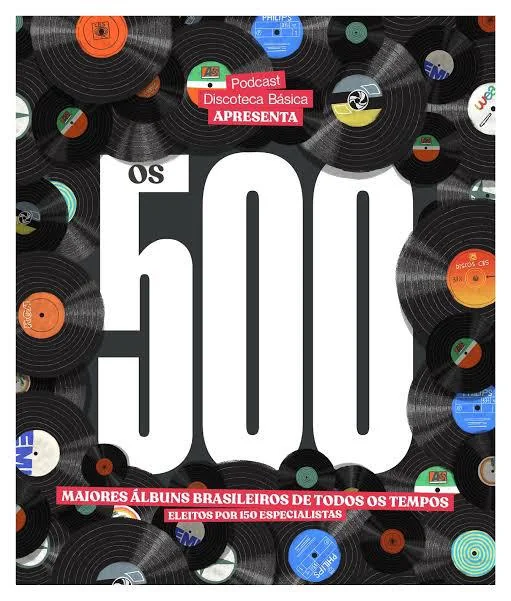
The largest Brazilian music election ever conducted: 162 specialists, spanning journalists, critics, musicians, producers and podcasters, each nominated 50 essential albums, supported by a masterlist of more than 2,000 works. Led by Ricardo Alexandre with tabulation by Sérgio Jomori, it was published in December 2022 as a 200-page hardcover book with graphic design by Fernando Pires.
A ira de Nasi
Mauro Beting, Alexandre Petillo · 2012
This is the biography of Nasi, the vocalist of the band Ira!. The book addresses Nasi's journey, his personal experiences, and his path as the voice of one of the most important national rock bands. It is highly likely to cover the band's history, including the period of the release and impact of the album 'Vivendo e Não Aprendendo'.
Analyses
Vivendo e Não Aprendendo – Wikipedia
Wikipedia, the free encyclopaedia
Vivendo e Não Aprendendo – The 100 Greatest Albums of Brazilian Music
José Julio do Espírito Santo · Rolling Stone Brasil
For these and other reasons, it became the go-to album for many rockers throughout the 80s.

"Vivendo e Não Aprendendo"(Warner, 1986), Ira!
discosessenciais.blogspot.com
The recording sessions for Vivendo E Não Aprendendo were anything but smooth. To achieve what they wanted for the album, the members of Ira! adopted a very radical, uncompromising, and even arrogant stance in the face of the experienced Liminha. A kind of generational clash ensued.

Vivendo e Não Aprendendo (1986) - Ira! | Bloggallerya
bloggallerya.wordpress.com
They had already become well-known in the country's music scene with their first album, Mudança de Comportamento, from 1985, but it was the following year that the São Paulo band IRA! established itself in national rock with the classic album, Vivendo e Não Aprendendo.
Ira!: há 39 anos, banda lançava o clássico "Vivendo e não Apreendendo"
confererock.com.br
Thirty-nine years ago, on 25 August 1986, Ira! released "Vivendo e não Aprendendo", the second album by this band loved by many and hated mainly by the Bolsonarist segment of fans, and the album is the topic of our chat this Monday.