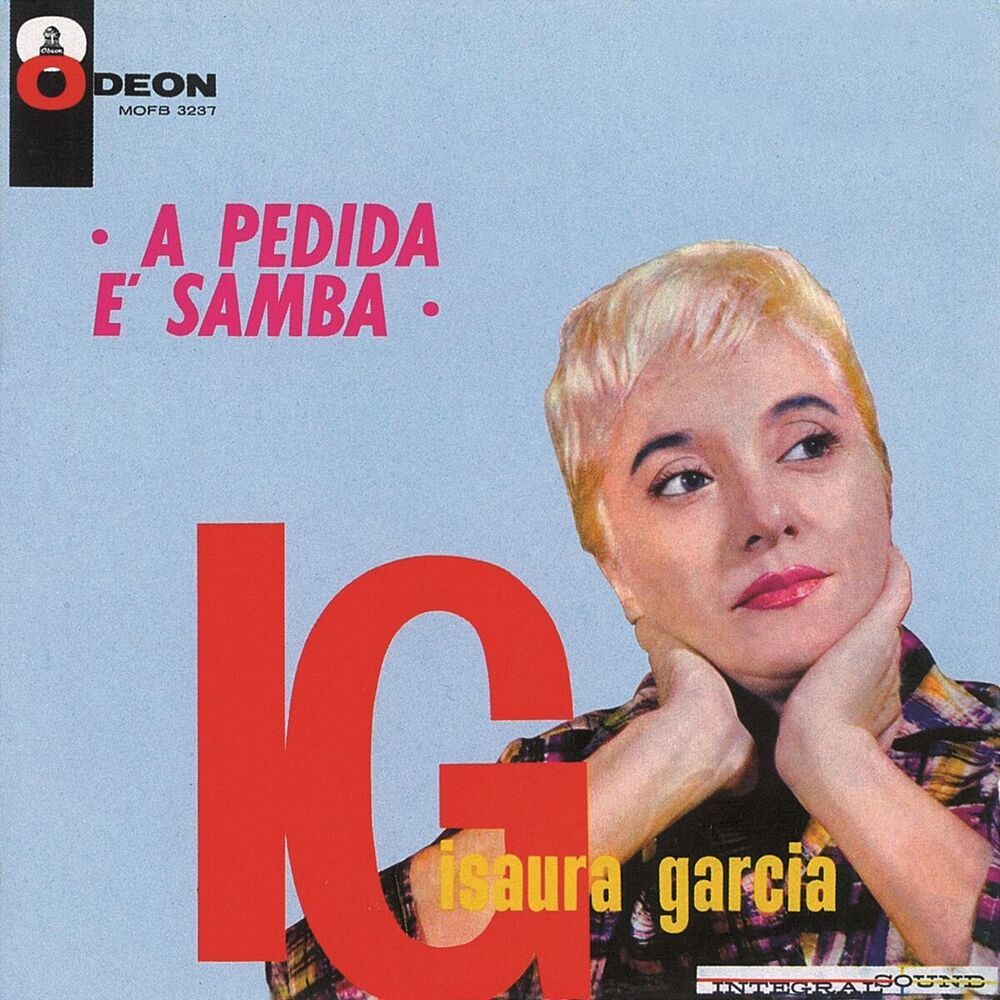
A Pedida É Samba
Isaura Garcia
1961
Rankings
Why This Album Matters
A Pedida É Samba, released in 1961 by the legendary Isaura Garcia, is a milestone in the discography of "A Personalíssima" and an essential album for understanding the evolution of samba and MPB in the early 60s. In it, Isaura, already an established star of radio and São Paulo nightlife, demonstrates her unmistakable vocal mastery and her unique ability to interpret the genre with depth and charisma. The album stands out for presenting a cohesive and vibrant repertoire, which transitions between traditional sambas and more subtle forays influenced by bossa nova, without ever losing the essence of the interpreter. Isaura's voice, with its particular timbre and São Paulo accent, delivers each lyric with genuine emotion, making this work a testament to her artistic singularity. With "A Pedida É Samba", Isaura Garcia solidifies her position as one of the greatest interpreters of Brazilian music of the 20th century, offering a rich and engaging panorama of a period of intense musical creativity in the country.
Context
Isaura Garcia, born in São Paulo in 1923, already had a consolidated and respected career in the Brazilian music scene before the release of A Pedida É Samba. Since her phonographic debut in 1941, she established herself as one of the main voices of samba and radio, having achieved successes such as "Mensagem". Known as "A Personalíssima" by Blota Júnior, she was praised for her originality and her São Paulo accent in her interpretations. The album emerges at a time of transition in Brazilian music, with bossa nova gaining strength, but traditional samba still maintaining its relevance, and Isaura Garcia navigated both universes with ease.
Recording
The album A Pedida É Samba was released by the Odeon label in 1961. For this work, Isaura Garcia was accompanied by pianist and organist Walter Wanderley and his ensemble. Walter Wanderley, who was married to Isaura Garcia, was known for his arrangement skills and for renewing bossa nova, which certainly influenced the album's sound. The album's production was by Mario Duarte.
Songs
The repertoire of A Pedida É Samba is composed of twelve tracks that highlight Isaura Garcia's versatility. Among the highlights is the title track "A Pedida É Samba", by Roberto Martins and Jair Amorim, which encapsulates the album's spirit. The record also features "Água de Beber", a bossa nova classic by Tom Jobim and Vinicius de Moraes, which Isaura interprets with her unique signature, demonstrating her adaptability and fluidity between genres. Other notable songs include "Palhaçada", "Cai a Tarde" and "Que É Que Eu Faço", the latter a partnership between Dolores Duran and José Ribamar. The lyrics address everyday themes, loves and heartbreaks, striking characteristics of samba and romantic songs of the era, interpreted with the emotional depth that was Isaura Garcia's trademark.
Legacy
A Pedida É Samba is considered an important record in Isaura Garcia's discography and for Brazilian music. Although there are no specific sales data or awards directly linked to this particular album, the artist as a whole is recognised as one of the most important interpreters of the 20th century, with over five hundred songs recorded throughout her extensive career. Her "voz personalíssima" and style of interpreting sambas and samba-canções with a São Paulo accent influenced generations. The album continues to be revisited and re-released, having received a CD re-edition in 2003 and a digital format release in 2020, which demonstrates its lasting relevance for the public and for the study of MPB.
Tracks
Credits
Mário Duarte
Walter Wanderley & Seu Conjunto
Walter Wanderley
Cesar G. Villela
Nagib Allit
Books
Analyses
Cliquemusic : Disco : A PEDIDA É SAMBA
cliquemusic.com.br
Isaura Garcia (1961) 1961 Odeon MOFB 3237 Tracks 1 Palhaçada (Luiz Reis, Haroldo Barbosa) 2 Cai a tarde (Rubens Caruso) 3 Noite por dia (Antônio Bruno) 4 Velho enferrujado (Gadé, Walfrido Silva) 5 Água de beber (Tom Jobim, Vinicius de Moraes) 6 A pedida é samba (Roberto Martins, Jair Amorim) 7 Chorou, chorou (Luiz Antônio)

Blog da Música Brasileira: 1961 - A Pedida É Samba - Isaura Garcia
blogdamusicabrasileira.blogspot.com
This Friday, I'm posting here on the Blog another album by Isaura Garcia, "A Pedida É Samba". Elected Queen of Radio by the state of São Paulo in 1953, Isaurinha brings to this album her unmistakable talent, transforming songs into true works of art, refined by her unique interpretation.

Vinil Campina: Isaura Garcia -1961 - A Pedida e Samba
vinilcampina.blogspot.com
6 A Pedida É Samba (Jair Amorim/Roberto Martins) 7 Chorou Chorou (Luiz Antônio) 8 Que É Que Eu Faço (Ribamar (1)/Dolores Duran) 9 Zé do Contra (Denis Brean/Osvaldo Guilherme) 10 Velho Gagá (Fernando César) 11 Não Sabemos (Rubens Caruso) 12 Chora Coração (Denis Brean/Osvaldo Guilherme) TECHNICAL CREDITS: With Walter Wanderley and His Ensemble
Isaura Garcia (1961) | Toque Musical
toque-musicall.com
I'm sure the vast majority supports Toque Musical (gosh! it even rhymed!). I am truly very happy and grateful. May it always continue this way 🙂 After this long introduction, let's get to the album of the day, but I'll be brief. Continuing our female showcase, I bring once again the singer Isaura Garcia.