Modo Livre
Ivan Lins
1974
Rankings
Why This Album Matters
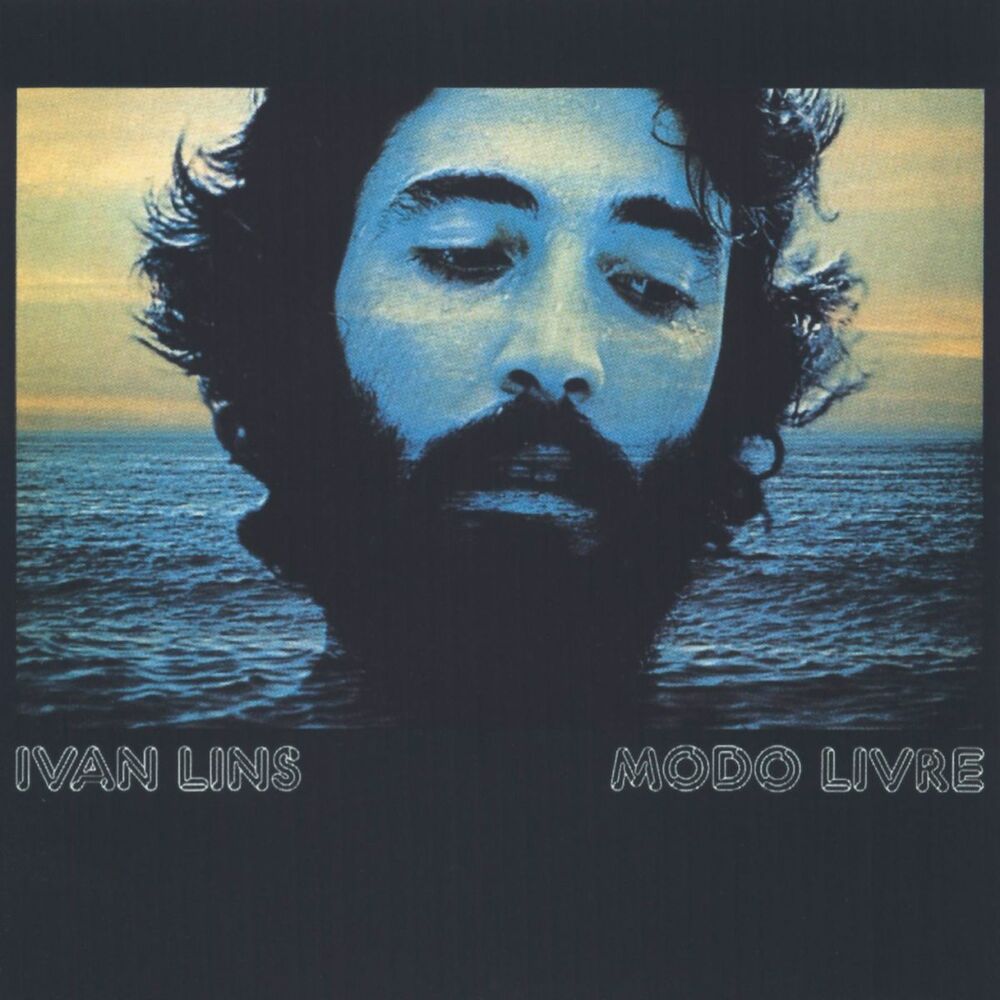
Modo Livre, released in 1974, represents a watershed in Ivan Lins' discography, marking a significant artistic shift in his career. This, the composer's fourth album and the first for the RCA Victor label, signalled a search for a more refined and socially engaged musical identity. The album established a bridge between samba, jazz, and soul music, genres that Ivan Lins had already explored, but now with a more pronounced harmonic and melodic complexity. The sophisticated musicality, combined with lyrics that, often veiled, offered commentary on the sociopolitical context of Brazil at the time, earned the album a prominent place in MPB.
Context
Before Modo Livre, Ivan Lins had experienced considerable success with songs such as "Madalena", popularised by Elis Regina, and his participation in Rede Globo programmes, which associated him with a sound closer to soul and a commercial appeal. However, this phase also drew criticism from sections of the press and even colleagues from the University Artistic Movement (MAU), who questioned the alignment of his music with the politically engaged MPB of the time and his relationship with the military dictatorship. In light of this criticism and the need to reinvent himself, Ivan Lins broke with the Philips record label and sought a new artistic path. Modo Livre emerges as this response, a self-proclaimed "free mode" of expression, where the artist freed himself from previous constraints to embrace a more critical and elaborate song-writing style, during a period of intense political repression in Brazil.
Recording
The album Modo Livre was recorded at RCA studios in 1974, produced by Raymundo Bittencourt. The arrangements, considered brilliant and sophisticated, were the responsibility of conductor Arthur Verocai, who contributed significantly to the album's jazzy and elaborate sound. The album's credits reveal the presence of prominent MPB and Brazilian jazz musicians of the 1970s, including Wagner Tiso (piano and organ), Robertinho Silva (drums and percussion), Maurício Einhorn (harmonica), Márcio Montarroyos (flugelhorn), Laércio de Freitas (organ), João Cortez (drums), Luiz Alves (electric bass) and the vocal groups MPB-4 and Quarteto em Cy on backing vocals. Ivan's then-wife, Lucinha Lins, also participated on vocals.
Songs
The songs on Modo Livre present a rich lyrical and melodic tapestry, highlighting the debut of Ivan Lins' partnership with lyricist Vitor Martins on the track "Abre Alas". This song, which would become a classic, inaugurated one of Brazilian music's most fruitful collaborations. Other tracks such as "Tens (Calmaria)" and "Não Tem Perdão" are notable for their lyrics which, in a subtle manner, address themes such as resistance and the pain of oppression experienced during the military dictatorship, using metaphors to circumvent censorship. The album also includes a reinterpretation of Caetano Veloso's "Avarandado", which takes on new colours with Ivan Lins' rendition, and the track "Deixa Eu Dizer", which would become one of his greatest hits.
Legacy
Despite a modest start in sales, with around 10,000 LP copies sold at the time, Modo Livre is today recognised as a fundamental album in Ivan Lins' discography and in the history of MPB. Its importance lies in the consolidation of Ivan Lins' artistic identity and the beginning of his most engaged and critically acclaimed phase. The album was reissued on CD for the first time in 2001, as part of the "RCA – 100 Anos de Música" series, and also re-released in Japan in the same year, which attests to its lasting value. The track "Abre Alas" remains one of the artist's greatest successes and a symbol of his partnership with Vitor Martins, which would generate countless MPB classics, solidifying Ivan Lins' influence on Brazilian and international music, especially in jazz. The album is frequently cited in lists and discussions about the best albums in Brazilian music.
Tracks
Credits
Aquiles, Magro, Miltinho, Ruy
Claudio Cartier, Cynara, Cyva, Dorinha Tapajós, Luna, Regininha, Roberto Quartin, Severino Filho, Sidinho, Suzana, Tavinho Bonfá
Wagner Santos
Joãozinho Da Percussão
Robertinho Silva
Luiz Alves
José-Carlos Cocarelli
Marcio Montarroyos
Celso Woltzenlogel, Copinha, Jorginho da Flauta
Ricardinho
Sidney Mattos
Arthur Verocai
Mauricio Einhorn
Kleber Veiga, Moacir Freitas
Laércio De Freitas, Wagner Tiso
Lucinha Lins
Chico Batera
Ivan Lins
Nilton Delfino Marçal
Aizik Geller
Gilberto
João Kibelkstis, Stelio Carlini, Walter Silva
Paulo Frazão
Ney Tavora
Osmar Zandomenigui
Henrique Gastaldello
Raymundo Bittencourt
Ivan Klingen
Podcasts
PodCália · Gigola
O Ano era 1974.Um dos períodos mais difíceis da história do nosso país para se fazer arte.Afinal, o AI-5 inaugurou o período mais sombrio da ditadura militar, além de ter reforçado o autoritarismo do presidente.Por isso, Ivan Lins decidiu que era hora de mudar o rumo de sua carreira, desenvolvendo canções que tocassem na ferida e a alertassem as pessoas sobre toda opressão que ocorria no Brasil.S
Books
Dicionário de Figuras de Linguagem nas Canções de Ivan Lins e Vítor Martins
Wagner Azevedo · 2024
An in-depth analysis of the figures of speech present in the lyrics of the songs by Ivan Lins and his partner Vítor Martins, fundamental for understanding the poetic richness of his work.
Os 500 Maiores Álbuns Brasileiros de Todos os Tempos
Ricardo Alexandre · 2022
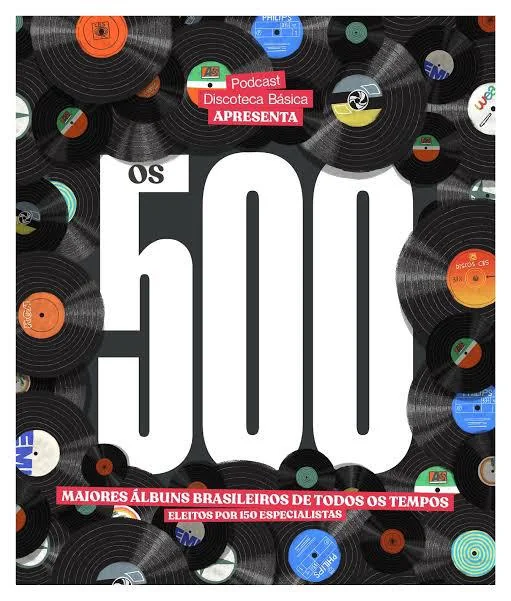
The largest Brazilian music election ever conducted: 162 specialists, spanning journalists, critics, musicians, producers and podcasters, each nominated 50 essential albums, supported by a masterlist of more than 2,000 works. Led by Ricardo Alexandre with tabulation by Sérgio Jomori, it was published in December 2022 as a 200-page hardcover book with graphic design by Fernando Pires.
Songbook Ivan Lins - Vol. 2
Ivan Lins · 2005
The second volume of Ivan Lins' songbook, containing additional sheet music and lyrics of his compositions, complementing the study of his vast discography.
Songbook Ivan Lins - Vol. 1
ALMIR CHEDIAK
This songbook offers sheet music and lyrics for Ivan Lins' songs, being an essential tool for the study of his musical work.
Analyses
Vol. 1 Modo Livre/Ivan Lins <Masterpieces that no one has reviewed on ...
note.com
Modo Livre (1974) Ivan Lins Ivan Lins is a 76-year-old legend born in 1945 who is still active at the forefront of MPB (an abbreviation for Música Popular Brasileira, a general term for Brazilian popular music since Bossa Nova; in Japan, it would be a broad genre classification similar to J-Pop)

ClyBlog: Ivan Lins - "Modo Livre" (1974)
cly-blog.blogspot.com
Whether due to inattention or the ignorance of censors, Ivan's strongly critical music was not limited to this album, but extended to an irreproachable series produced over 6 years.
Cliquemusic : Disco : MODO LIVRE
cliquemusic.com.br
Tracks: 1 Rei do carnaval (Ivan Lins, Paulo César Pinheiro) 2 Deixa eu dizer (Ronaldo Monteiro, Ivan Lins) 3 Avarandado (Caetano Veloso) 4 Tens (Calmaria) (Ronaldo Monteiro, Ivan Lins) 5 Não tem perdão (Ronaldo Monteiro, Ivan Lins) 6 Abre alas (Vitor Martins, Ivan Lins) 7 Chega (Ivan Lins) 8 Espero (Ronaldo Monteiro ...
Modo Livre - Ivan Lins - iFolha
ifolha.com.br
The singer Ivan Lins' fourth album, "Modo Livre", was released in 1974 by the RCA record label. The album, which marks the debut of the musician's partnership with composer Vitor Martins on the song "Abre Alas" – celebrating its 40th anniversary – also features a reinterpretation of "Avarandado", a song by Caetano Veloso.

Ivan Lins - Modo Livre | 1974
discosqueouvi.blogspot.com
The album was reissued on CD for the first time in 2001 by the Kuarup record label, as part of the RCA - 100 Anos de Música series, released by the then-named BMG. Modo Livre reached the milestone of 10 thousand copies sold on LP since its release.