Jackson do Pandeiro
Jackson do Pandeiro
1959
Rankings
Why This Album Matters
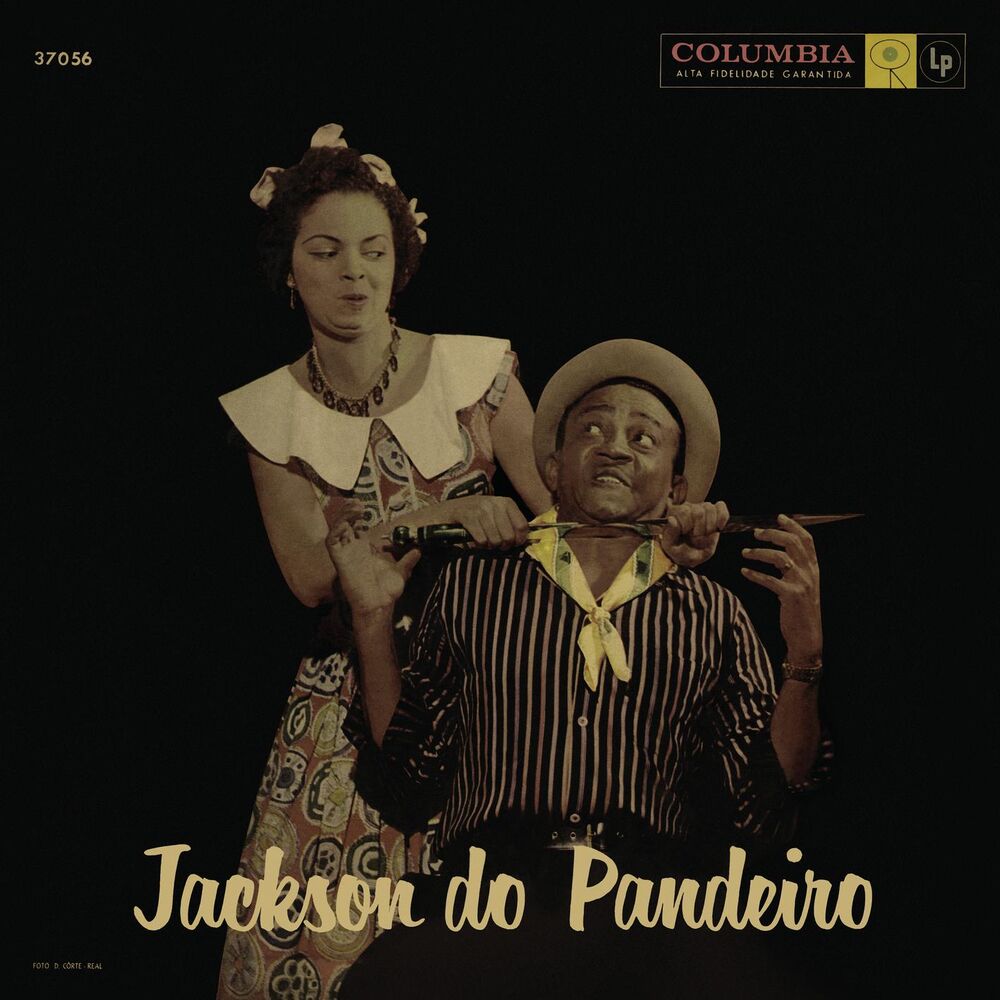
The album Jackson do Pandeiro, released in 1959, is an essential milestone in the discography of the "King of Rhythm" and in Brazilian popular music, solidifying the presence of Northeastern rhythms on the national scene. Jackson do Pandeiro, with his unparalleled percussive skill and captivating vocal style, presented a vibrant fusion of baião, forró and samba, characteristics that made him a key promoter of music from Brazil's Northeast. This work represents the artist's mastery in moving between genres, injecting a contagious energy and a sense of innovation that differentiated his sound. The album encapsulates the joy and rhythmic richness of Brazilian musical traditions, highlighting the complexity and cultural diversity that Jackson do Pandeiro so brilliantly personified. Through this record, Jackson do Pandeiro not only reaffirmed his title as an original instrumentalist and singer, but also paved the way for the appreciation of a musicality deeply rooted in Brazilian cultural identity, with arrangements that combine traditional elements with a pop and danceable feel.
Context
José Gomes Filho, Jackson do Pandeiro, born in Paraíba in 1919, had his first contact with music from childhood, driven by his mother, Flora Mourão, a coco singer. Before adopting the pandeiro as his main instrument and part of his stage name, he played zabumba in his mother's band at the age of seven. His professional trajectory led him to work in radio stations in cities such as Campina Grande, João Pessoa and Recife, where he began to gain recognition for his percussive talents. His first major success, "Sebastiana", in the 1950s, catapulted him to national attention, establishing him as a prominent figure in Brazilian music before the release of this album in 1959.
Songs
The 1959 album presents a collection of tracks that became classics in Jackson do Pandeiro's repertoire, demonstrating his versatility and the power of Northeastern rhythms. Songs like "Forró na Gafieira" blend forró with the atmosphere of dance halls, while "Casaca de Couro" and "Penerou Gavião" highlight the richness of coco and baião. One of the album's highlights is the inclusion of "Chiclete Com Banana", a track that became emblematic of his work, with a witty lyric that plays with the fusion of American and Brazilian cultural elements, illustrating his innovative approach. "Cantiga do Sapo" is another notable song, reflecting the artist's childhood memories and life in the countryside, with an improvised melody that evokes the sounds of nature. The compositions are marked by their macro-rhythmic emphasis and the way Jackson do Pandeiro uses his voice, often bringing his singing close to speech, creating shifts in the accentuation of melodies and poetic syllables, which gives a unique rhythm and personality to his interpretations.
Legacy
Jackson do Pandeiro's work, including this 1959 album, received significant recognition, though part of it was posthumous. His work influenced aesthetic movements such as Tropicália and Manguebeat, and his art decisively impacted the works of many other musicians. Great names in Brazilian music, such as Gilberto Gil, Chico Buarque, João Bosco, Lenine, Chico César and Chico Science, openly paid tribute to Jackson do Pandeiro's work. Chico Buarque, for example, quoted him in the song "Para Todos", recorded in 1993, and re-recorded Jackson do Pandeiro's "Lágrima" in 1974. Gilberto Gil and Gal Costa also re-recorded Jackson do Pandeiro's material in 1972, attesting to his relevance. In 1998, Jackson do Pandeiro received a special honour at the Sharp Music Award (in memoriam), with an awards committee that included names such as Gilberto Gil, Rita Lee and Dorival Caymmi, solidifying his place as one of Brazil's most inventive and influential musicians.
Tracks
Films


Jackson: Na Batida do Pandeiro
2019
The life and career history of singer and percussionist Jackson do Pandeiro, whose originality and unusual rhythmic quality influenced several prominent artists in Brazilian popular music. With unpublished testimonies from professional colleagues and family members, as well as archival footage of their participation in cinema and radio, the documentary traces their journey between troubled relationships, dramas, controversies, stardom, ostracism, the return to the artistic milieu, even his death in 1982.
Jackson do Pandeiro: MPB Especial
Jackson do Pandeiro: MPB Especial
1972
Books
Os 500 Maiores Álbuns Brasileiros de Todos os Tempos
Ricardo Alexandre · 2022
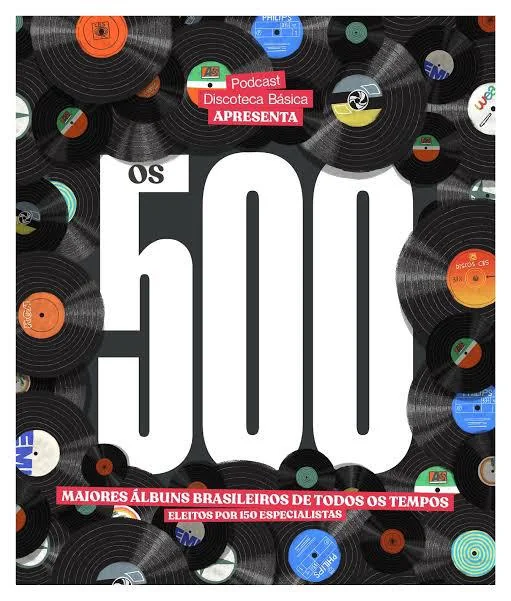
The largest Brazilian music election ever conducted: 162 specialists, spanning journalists, critics, musicians, producers and podcasters, each nominated 50 essential albums, supported by a masterlist of more than 2,000 works. Led by Ricardo Alexandre with tabulation by Sérgio Jomori, it was published in December 2022 as a 200-page hardcover book with graphic design by Fernando Pires.
Jackson do Pandeiro
Fernando Moura, Antônio Vicente · 2001
The culmination of eight years of meticulous research, this passionate biography of the composer of 'Sebastiana' showcases the rhythmic versatility, mastery, compositional creativity, and charisma of the 'father of forró'. Considered the definitive biography of Jackson do Pandeiro, it details his artistic trajectory, his influences, and the impact of his work on Brazilian music, certainly addressing his most important albums, including this self-titled one from 1959.
Analyses
Jackson do Pandeiro - Jackson do Pandeiro (1959)
musicasdonordeste.net
He released his first album only in 1955. Four years later, the album "Jackson do Pandeiro 1959" was released, becoming one of his biggest successes. The album immortalised the voice of the King of Rhythm, and among its tracks is the song "Chiclete com Banana", perhaps his greatest hit.
Jackson do Pandeiro - Jackson do Pandeiro - Forró em Vinil
forroemvinil.com
Released in 1959, it is the album that immortalised his voice in one of his greatest hits, if not the greatest, "Chiclete com banana" by Gordurinha and José Gomes. José Gomes, for those who don't know, is Jackson himself.
Jackson do Pandeiro, de 1959, é Relançado em Vinil!
blog.bileskydiscos.com.br
Jackson do Pandeiro, from 1959, is one of his most sought-after and well-known works. Valued for its cover and songs, it features hits such as "Chiclete com Banana" and "Forró na Gafieira".
Jackson do Pandeiro - Jackson do Pandeiro - 1959 - OUVIR MÚSICA
ouvirmusica.com.br
Come and listen to "Forró Na Gafieira", "Acorrentado", "Casaca de couro" and many other songs from the album Jackson do Pandeiro - Jackson do Pandeiro - 1959!