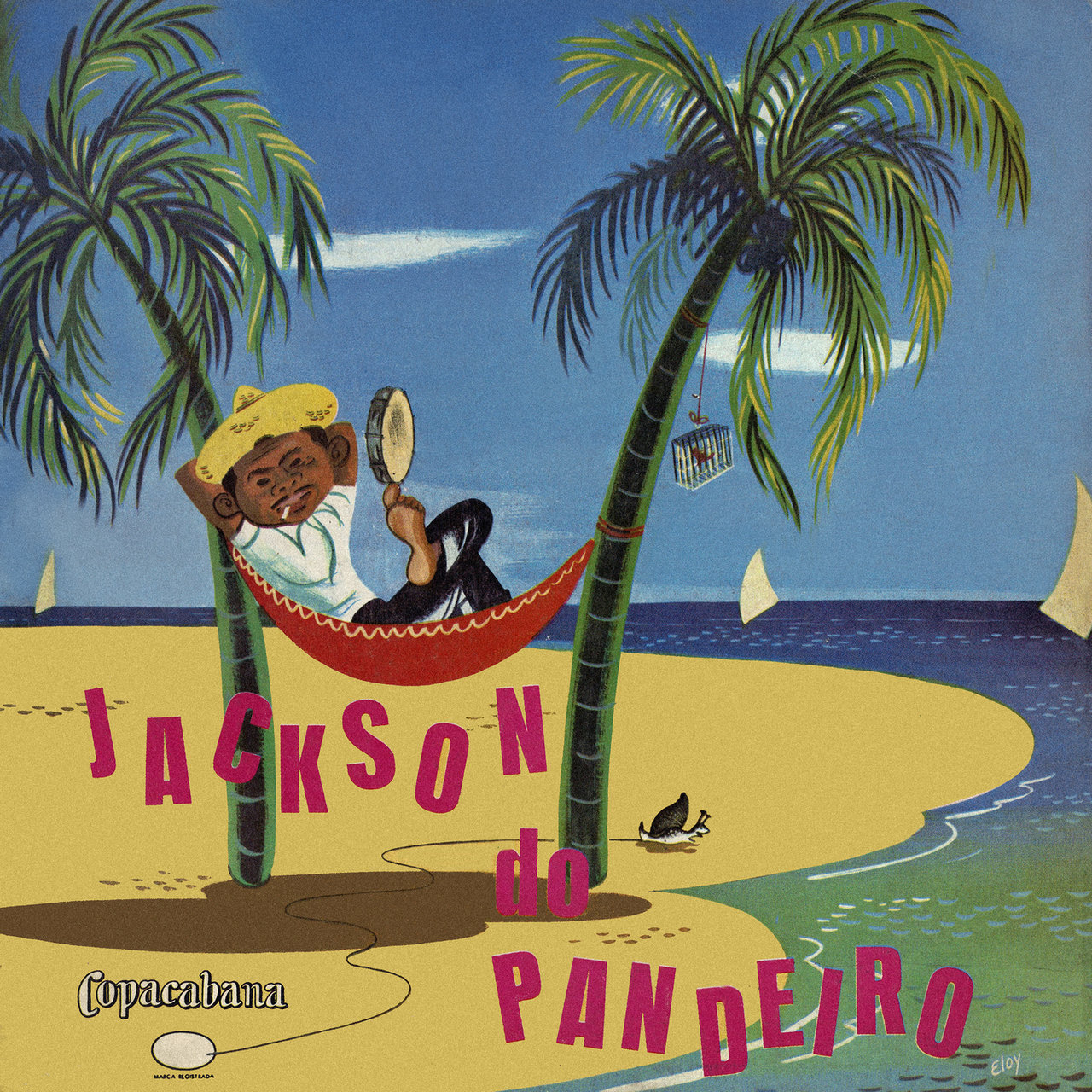
Jackson Do Pandeiro Com Conjunto e Côro
Jackson do Pandeiro
1955
Rankings
Why This Album Matters
Jackson do Pandeiro Com Conjunto e Côro, released in 1955, represents a fundamental landmark in Brazilian discography as the first LP by Jackson do Pandeiro, the acclaimed 'King of Rhythm'. This album is a vibrant celebration of his mastery in blending the contagious rhythms of coco and nordestina embolada with the street smarts and swing of carioca samba. His unique sound, characterised by vigorous syncopation between his voice and the pandeiro, revealed an artist with an unparalleled ability to innovate Brazilian popular music. The album not only consolidated Jackson's artistic identity but also played a crucial role in spreading Nordestina music to a national audience, alongside Luiz Gonzaga. The uniqueness of his vocal style and the inventiveness of his rhythmic divisions established new standards for interpretation and composition, making him a seminal figure with a lasting influence on Brazil's music scene.
Context
Before the release of this album, Jackson do Pandeiro, born José Gomes Filho in Alagoa Grande, Paraíba, in 1919, had already carved out a significant path in music. Influenced by his mother, a renowned coco singer, he developed his rhythmic skills playing the zabumba and, later, the pandeiro. He performed in cabarets and on radio stations in João Pessoa and Recife, where he adopted the stage name that would bring him fame. His rise to national fame began with the resounding success of 'Sebastiana', which led him to move to Rio de Janeiro in 1954 and sign with the Copacabana record label. The album Jackson do Pandeiro Com Conjunto e Côro emerged during this period of transition, marking Jackson's affirmation from a regional artist to a national star.
Recording
Jackson do Pandeiro Com Conjunto e Côro was released in 1955 by the Copacabana label as a 10-inch LP. This album had a particular characteristic: it compiled a selection of songs that Jackson do Pandeiro had previously recorded and released on 78 rpm shellac discs. This strategy by Copacabana was commercially advantageous, as it allowed the label to release a 'new' product at a very low production cost, using existing recordings from its catalogue. For Jackson do Pandeiro, the release of the LP was a crucial opportunity to broaden the dissemination of his music and solidify his presence in the growing Brazilian music market.
Songs
The album Jackson do Pandeiro Com Conjunto e Côro features a repertoire that became essential to the artist's career, including tracks that became major hits such as 'Sebastiana' and 'Forró em Caruaru'. Other notable songs on the record or associated with his early successes are 'Forró em Limoeiro', 'Cremilda', 'Um a Um', 'O Galo Cantou', 'A Mulher do Aníbal', and 'Falsa Patroa'. Jackson's genius is manifested in the way he manipulated rhythmic division and poetic accents, creating unexpected shifts that lent a singular vitality to his interpretations. His lyrics frequently depicted daily life and popular culture, with a humour and improvisation characteristic of Nordestino folk singers, but adapted to the effervescence of Rio de Janeiro's music scene.
Legacy
The true dimension of the importance of Jackson do Pandeiro and albums like Jackson do Pandeiro Com Conjunto e Côro was largely 'rediscovered' posthumously, largely driven by the interest of movements such as Tropicália. Renowned artists such as Gilberto Gil and Gal Costa re-recorded his songs in the 70s, paving the way for wider recognition. His work directly influenced aesthetic movements such as Manguebeat and a vast array of contemporary musicians, who continue to draw inspiration from his innovative approach to popular music. Despite not having achieved major sales or international tours as understood today during his lifetime, his successes are constantly re-recorded by various artists. His unique ability to divide the music is even cited as an influence on João Gilberto. Jackson do Pandeiro received a Sharp music award in memoriam in 1998, in recognition of his legacy.
Tracks
Credits
Edgar Ferreira, Edgar Moraes, Genival Macêdo, Geraldo Jacques, Isaías de Freitas, Nestor De Paula, Rosil Cavalcanti, Zé Dantas
Books
Analyses
"Jackson do Pandeiro com Conjunto e Côro" (1955), Jackson do Pandeiro
amusicade.com
In 1955, the Copacabana record label released the artist's first LP, entitled Jackson do Pandeiro com Conjunto e Côro, bringing together a selection of songs previously recorded on 78 rpm singles.
Indicação de Álbum - Jackson Do Pandeiro 1955 (469/500) Cãotural ...
bastter.com
"Given his importance in the musical world, his biographers even compared him to a football star. For popular music, if Luiz Gonzaga was a kind of Pelé, Jackson do Pandeiro would be a Garrincha." https://amusicade.com/jackson-do-pandeiro-com-conjunto-e-coro-1955-jackson-do-pandeiro/

Jackson do Pandeiro - Com Conjunto E Coro (1955)
tabernanovostempos.blogspot.com
The first album released by Jackson do Pandeiro in 1955, it brings together songs previously released on 78 rpm records. It contains the songs ''Sebastiana'' by Rosil Cavalcanti and ''Forró em Caruaru'' by Zé Dantas which became great successes of his career.
Jackson Do Pandeiro - Com Conjunto e Côro (1955) | Toque Musical
toque-musicall.com
The first LP from the "King of Rhythm", released in 1955 by the snail logo label from Copacabana. On this ten-inch album, we have some of his greatest hits, songs previously recorded on 78 rpm discs.
Cliquemusic : Disco : JACKSON DO PANDEIRO
cliquemusic.com.br
Jackson do Pandeiro (1955) 1955 Copacabana CLP 2017 Tracks 1 Forró em Limoeiro (Edgar Ferreira) 2 Cremilda (Edgar Ferreira) 3 Um a um (Edgar Ferreira) 4 O galo cantou (Edgar Moraes) 5 Forró em Caruarú (Zé Dantas) 6 Mulher do Aníbal (Genival Macedo, N. de Paula) 7 Falsa patroa (Geraldo Jacques, Isaias de Freitas) 8 Sebastiana (Rosil Cavalcanti)