Sua Majestade o Rei do Ritmo
Jackson do Pandeiro
1960

Rankings
Why This Album Matters
Released in 1960, Jackson do Pandeiro's Sua Majestade o Rei do Ritmo is a fundamental landmark in Brazilian music, solidifying its creator's status as one of the greatest masters of rhythm. This album is a celebration of the vibrant and contagious musicality of Brazil's Northeast, presented through the unique prism of Jackson do Pandeiro, who was far more than just a virtuoso percussionist. What makes it special is Jackson's innate genius in subverting traditional rhythmic structures. He possessed a characteristic of metric division that allowed him to break melodic phrases, either anticipating or delaying the beat, but always converging with the music's chords. This 'playfulness' with voice and melodies demonstrated an impressive degree of technical sophistication and intuition, defining a sonic identity that blended coco, baião, xote, samba, and other rhythms with incomparable mastery. The album, which can be considered a compilation of his work up to that point, encapsulates the essence of his art, with its unmistakable swing and the way he translated the rich Northeastern culture to the wider public, earning the title 'Rei do Ritmo' with undeniable merit in a country where percussion is the heart of its popular celebration.
Context
José Gomes Filho, who would become Jackson do Pandeiro, was born in 1919 in Alagoa Grande, Paraíba, the son of a coco singer. His musical journey began early, influenced by the rhythms of his homeland. After stints in Campina Grande, João Pessoa, and Recife, where he excelled on radio and formed important partnerships, Jackson achieved his first major success in 1953 with the recording of "Sebastiana". In 1954, he moved to Rio de Janeiro, the epicentre of the Brazilian music scene, where his career truly took off. He was hired by Rádio Nacional, one of the most influential stations of the time, and quickly gained fame with his versatility in interpreting various musical genres, such as baião, coco, samba-coco, rojão, and carnival marchinhas, surprising critics with his 'jazzy' ability to divide the music. Sua Majestade o Rei do Ritmo, released in 1960 by the Copacabana record label, arrived at this moment of Jackson's full ascent in the national scene.
Songs
The album Sua Majestade o Rei do Ritmo features 12 tracks that are a testament to Jackson do Pandeiro's versatility and rhythmic mastery. Among the songs featured, compositions that became classics of the Brazilian popular songbook stand out. Tracks such as "Sebastiana", which was his first major hit, and "O Canto da Ema" demonstrate his ability to transform regional rhythms into national successes. Other songs like "Forró em Caruaru", "Cabo Tenório", and "A Mulher do Anibal" illustrate the richness of his repertoire, which naturally transitioned between forró, coco, and samba. Jackson's ability to use onomatopoeias and sonic nuances, combined with his unparalleled syncopation and rhythmic division, is evident in each recording, evoking, for example, the croaking of frogs from his childhood in Paraíba, as in the emblematic "Cantiga do sapo", which he authored.
Legacy
Sua Majestade o Rei do Ritmo solidified Jackson do Pandeiro's title in the popular imagination and among critics, who compared him to a jazz musician due to his singular technique. Although the recognition of his genius was, to a large extent, posthumous or intensified by new generations, his influence on Brazilian music is immeasurable. Jackson do Pandeiro directly influenced a vast array of artists from various musical genres. Names such as Gilberto Gil, Alceu Valença, and Lenine publicly recognise Jackson's importance in their own works. His contribution to Brazilian popular music is inestimable, encompassing everything from samba to bossa nova, from rock to MPB, and perpetuating the richness of Northeastern rhythms beyond their borders.
Tracks
Films


Jackson: Na Batida do Pandeiro
2019
The life and career history of singer and percussionist Jackson do Pandeiro, whose originality and unusual rhythmic quality influenced several prominent artists in Brazilian popular music. With unpublished testimonies from professional colleagues and family members, as well as archival footage of their participation in cinema and radio, the documentary traces their journey between troubled relationships, dramas, controversies, stardom, ostracism, the return to the artistic milieu, even his death in 1982.
Jackson do Pandeiro: MPB Especial
Jackson do Pandeiro: MPB Especial
1972
Books
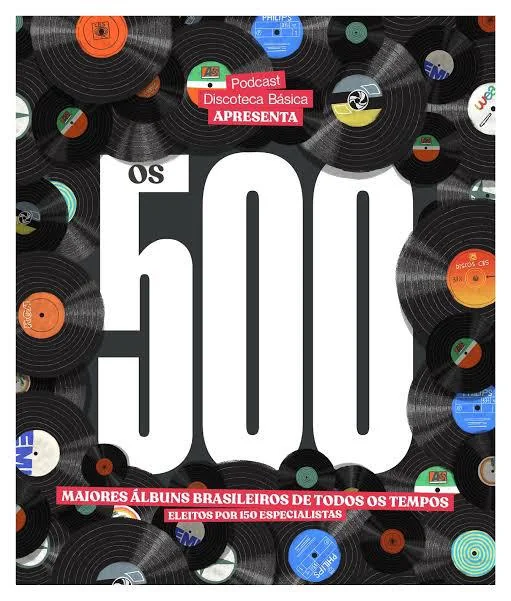
Os 500 Maiores Álbuns Brasileiros de Todos os Tempos
Ricardo Alexandre · 2022
The largest Brazilian music election ever conducted: 162 specialists, spanning journalists, critics, musicians, producers and podcasters, each nominated 50 essential albums, supported by a masterlist of more than 2,000 works. Led by Ricardo Alexandre with tabulation by Sérgio Jomori, it was published in December 2022 as a 200-page hardcover book with graphic design by Fernando Pires.
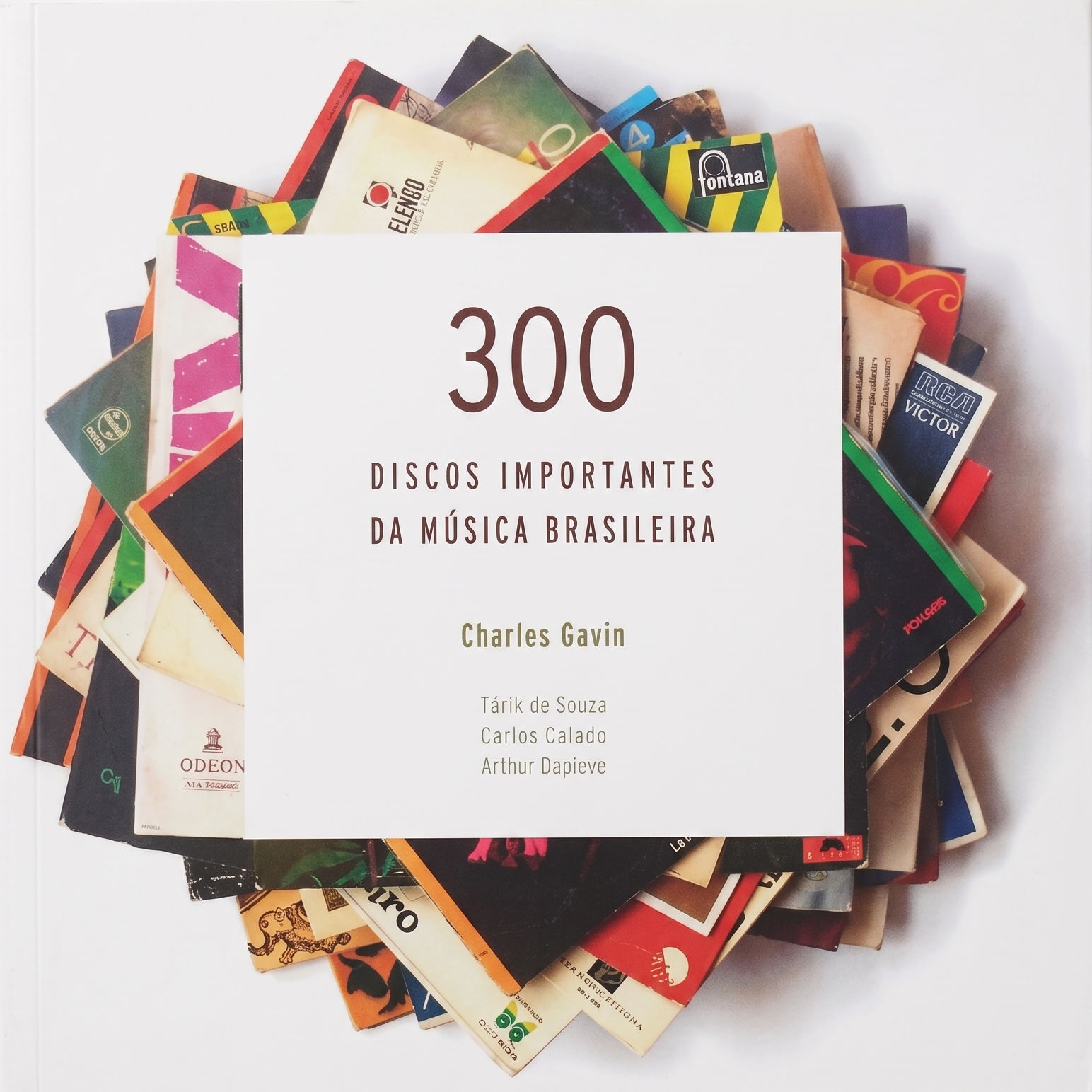
300 Discos Importantes da Música Brasileira
Charles Gavin, Tárik de Souza, Carlos Calado, Arthur Dapieve · 2008
Conceived by Titãs drummer and musical researcher Charles Gavin, the 434-page book brings together covers and reviews of albums released between 1929 and 2007. The texts were written by journalists Tárik de Souza, Arthur Dapieve and Carlos Calado.
Jackson do Pandeiro
Fernando Moura, Antônio Vicente · 2001
The result of eight years of meticulous research, this passionate biography of the composer of 'Sebastiana' showcases the rhythmic versatility, mastery, compositional creativity, and charisma of the 'father of forró', who influenced Brazilian musicians of various generations, from Gilberto Gil to Lenine. Being an in-depth analysis of Jackson do Pandeiro's life and work, it is highly probable that it will dedicate significant content to the 1960 album 'Sua Majestade o Rei do Ritmo'.
Analyses

Jackson do Pandeiro - 1960 - Sua Majestade o Rei do Ritmo
vinilcampina.blogspot.com
SUA MAJESTADE, O REI DO RITMO Record Label: Copacabana Catalogue: CLP 10023 Year: 1960 Artists: Jackson do Pandeiro OTHER EDITIONS Copacabana COELP 40004 Som SOLP 40.004 TRACKS: 1 Forró Em Caruaru (Zé Dantas) 2 Cabo Tenório (Rosil Cavalcanti) 3 O Canto da Ema (Alventino Cavalcanti/Aires Viana/João do Vale) 4 Sebastiana (Rosil Cavalcanti)
"Jackson do Pandeiro - O Rei do Ritmo" - Dez Minutos de Arte
dezminutosdearte.com.br
The box set "Jackson do Pandeiro - O Rei do Ritmo", produced by the talented music researcher Rodrigo Faour, has the particularity of bringing to light one of his richest and simultaneously rarest phases to find on the market – the one he recorded with Philips in the 1960s and early 70s.
"Jackson do Pandeiro, o Rei do Ritmo" - Facetas Culturais
facetasculturais.com.br
A very interesting biography/discography of José Gomes, or rather, of Jackson do Pandeiro, whose facets, both of his real life and his career, intertwine and complement each other.

Jackson do Pandeiro - Sua Majestade, O Rei do Ritmo (1960)
saqueandoacidade.blogspot.com
Released in the early 60s, when Jackson had already become a celebrated artist, the album compiles the artist's main successes from the previous decade. It features great songs, from the classic "Canto da Ema" to the brilliant côco "Sebastiana", which marked the singer's début in 1953.